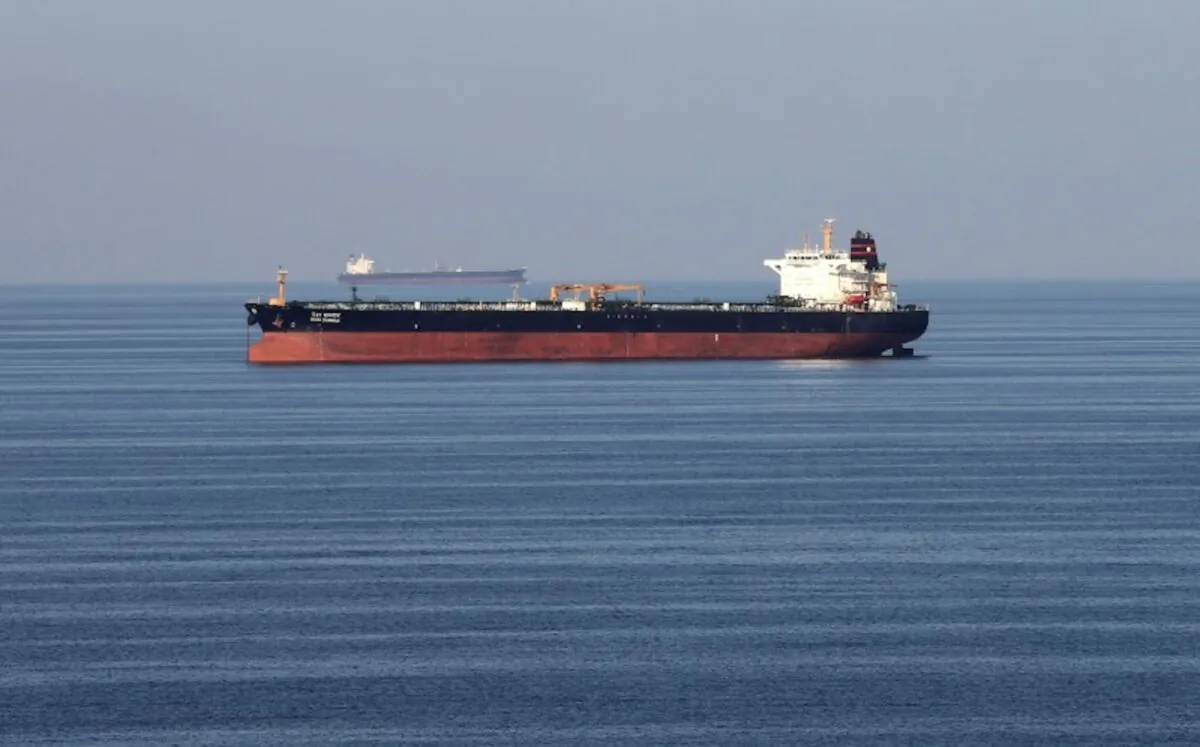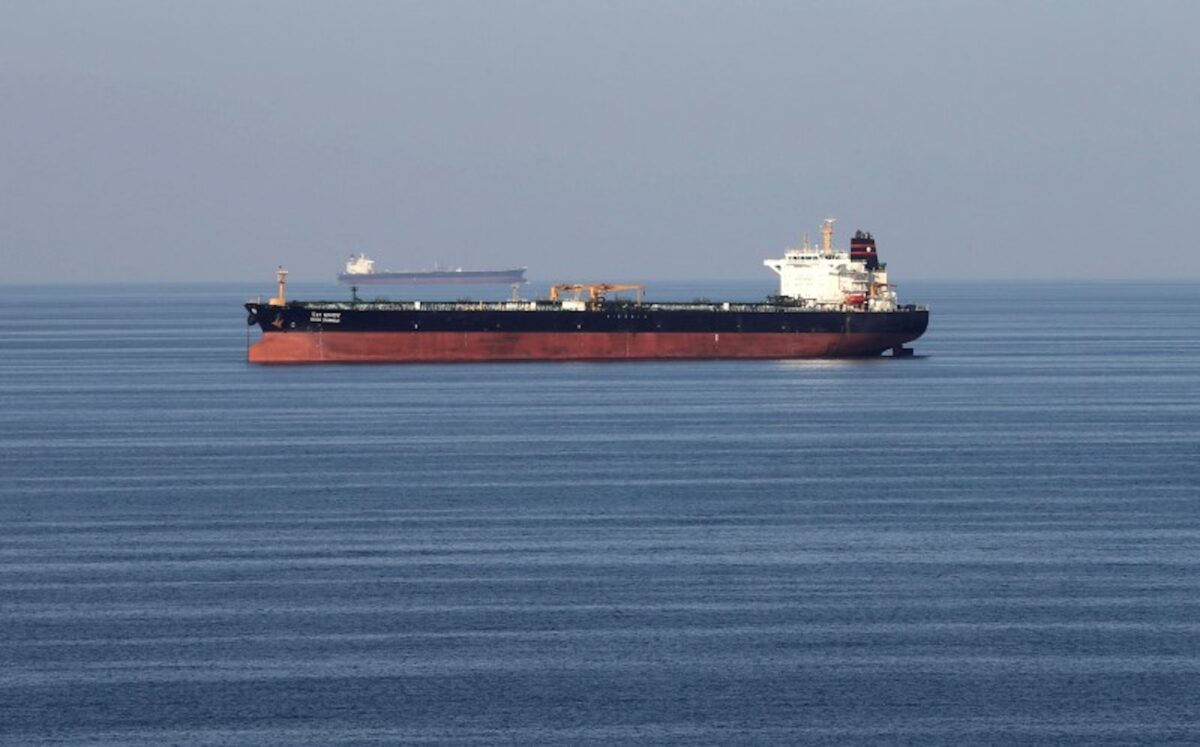

The Trump administration created a $20 billion federal reinsurance program for commercial oil and gas vessels to restore tanker traffic in the Strait of Hormuz.
White House officials have been employing various measures to stabilize global energy markets as oil prices broke $90 per barrel at the end of the trading week amid the conflict in Iran.
President Donald Trump announced earlier this week that his administration would provide guaranteed political risk insurance and, if needed, naval escorts to ensure the global flow of oil.
The latest measure would see the International Development Finance Corporation—also known as the DFC—insure losses up to $20 billion on a rolling basis, according to a March 6 news release.
Maritime reinsurance will initially focus on Hull & Machinery and cargo. This is industry jargon that means the shipowner’s assets and the goods being transported.
Only vessels that meet these criteria will be eligible for insurance.
“DFC coverage will offer a level of security no other policy can provide,” DFC CEO Ben Black said in a statement.
“We are confident that our reinsurance plan will get oil, gasoline, LNG, jet fuel, and fertilizer through the Strait of Hormuz and flowing again to the world.”
DFC officials and the Treasury Department will coordinate with the U.S. Central Command to implement the plan to stabilize global commerce during the war in Iran.
The Strait is a narrow waterway that serves as a vital artery for the transport of oil and gas. Approximately 20 million barrels of crude oil and petroleum products—accounting for one-fifth of global consumption—pass through the chokepoint. Additionally, 20 percent of global liquefied natural gas (LNG) exports traverse the area.
The primary challenge for international energy markets is that insurance companies have either canceled coverage or substantially raised premiums. As a result, traffic has come to a standstill, prompting vessels to detour around Africa’s Cape of Good Hope, which adds several days and extra cost to these trips.
Other ships are worried about their safety, and it could take more than insurance to restore commerce, says Simon Wong, portfolio manager at Gabelli Funds.
“Even with this guarantee, there’s risk that the ships will still be attacked by Iranian drones or missiles, and shipowners may not want to risk of losing their ships as well as the lives of their crews,” Wong said in a note emailed to The Epoch Times.
In the meantime, several Gulf countries have halted production or slowed output due to a shortage of storage space. This could add further pressure to international energy markets.
U.S. oil prices—West Texas Intermediate—posted their best weekly performance in trading history, soaring 35 percent.
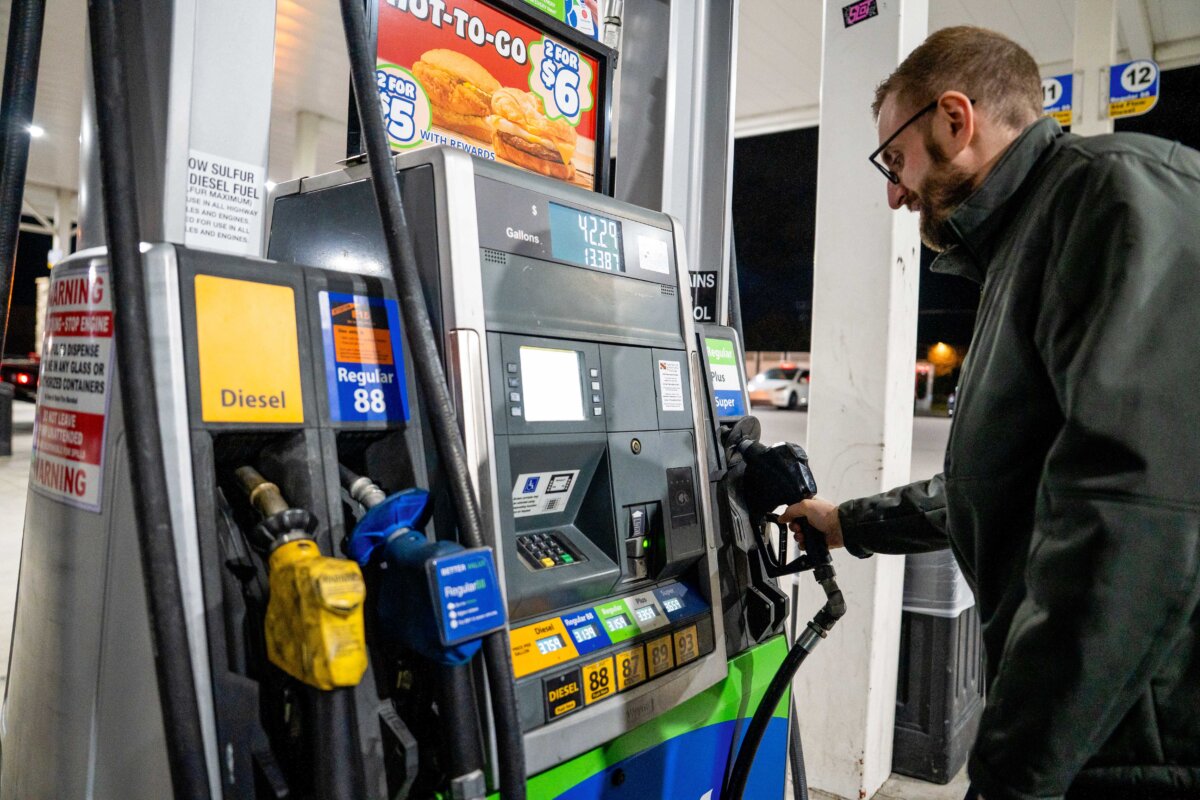
The conflict in the Middle East is affecting more than just crude oil.
Since half of the cost of gasoline is attributed to oil prices, motorists could experience some pain at the pump over the coming days.
The national average for a gallon of gas has risen 34 cents in the last week to $3.32, according to the tracking website American Automobile Association.
Natural gas prices advanced more than 5 percent to close out the trading week, topping $3 per million British thermal units.
Heating oil ticked up 0.3 percent to $3.62 per gallon, posting a weekly gain of 40 percent.
 Friends Read Free
Copy
Facebook
Tweet
Friends Read Free
Copy
Facebook
Tweet