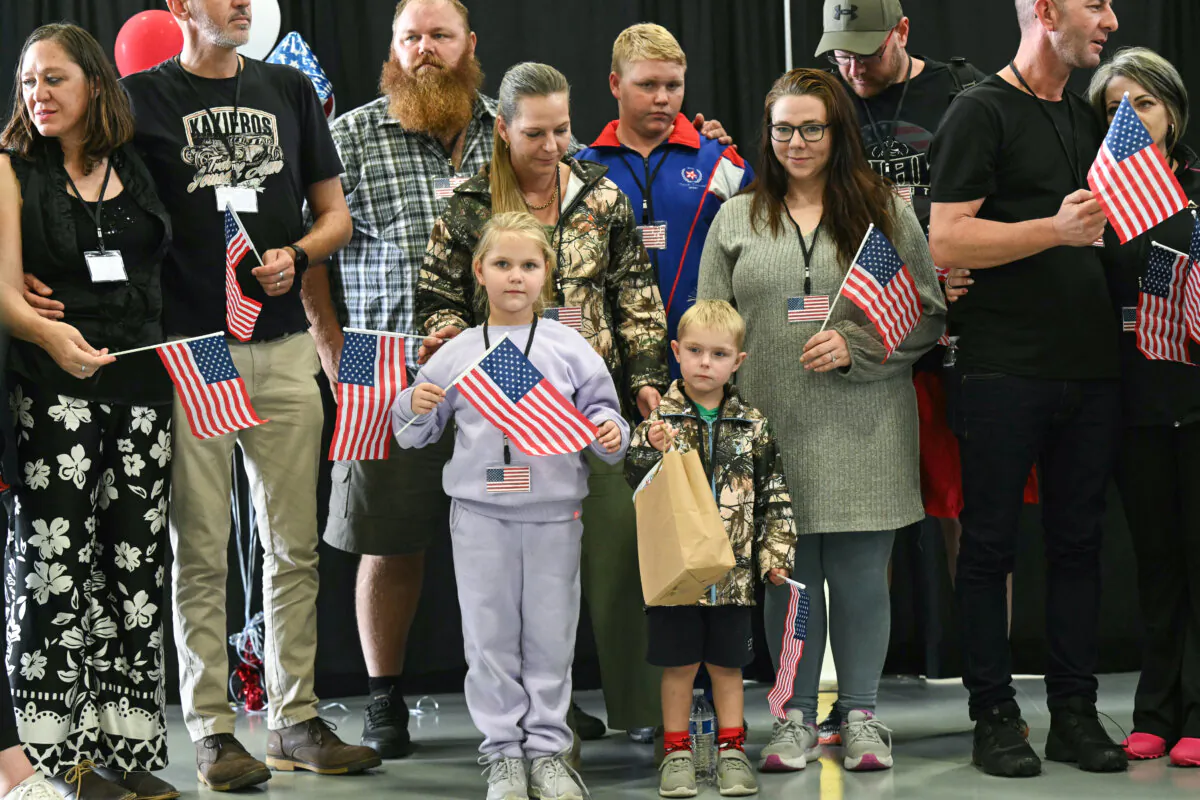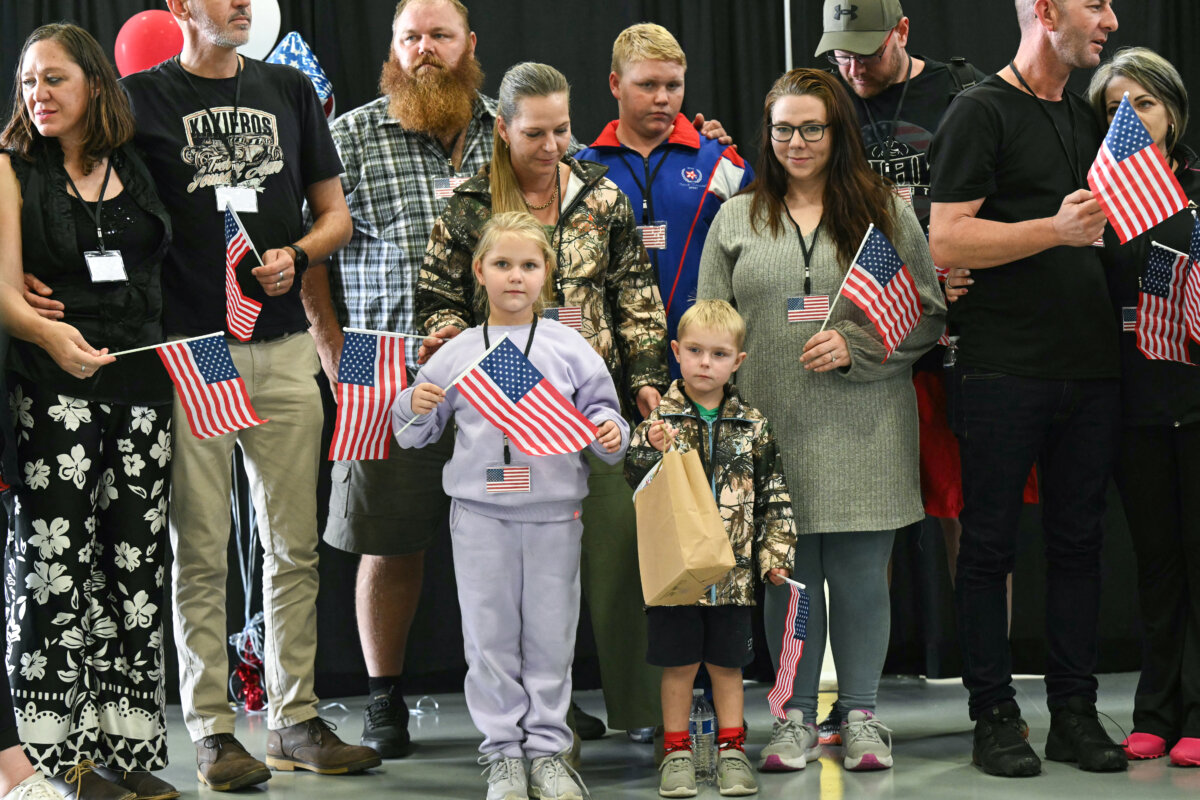

The U.S. Embassy in South Africa on Sept. 8 added a group called “Amerikaners” to its list of agencies that help identify applicants for the Trump administration’s Afrikaner refugee resettlement program.
The U.S. mission said that Amerikaners is a designated Department of State referral partner. It will be involved in gathering information from potential applicants to assess whether they have a case eligible to be reviewed by the U.S. Refugee Admissions Program (USRAP), and will refer cases to the department.
Amerikaners is one of two partners listed on the mission’s website. The other is RSC Africa, operated by Church World Service, which supports U.S.-bound refugees from sub-Saharan Africa and is authorized under the USRAP to facilitate travel from South Africa to the United States.
The mission emphasized that neither Amerikaners nor RSC Africa makes eligibility decisions on refugee cases, with that responsibility remaining with the Department of Homeland Security (DHS).
It said the Department of State is coordinating with the DHS to consider eligibility for U.S. refugee resettlement of Afrikaners—white South Africans descended from predominantly Dutch settlers—or members of minorities who are victims of racial discrimination.
A Department of State spokesperson said the agency did not comment on specific implementing partners, adding, “We are grateful for the many South African citizens who have expressed their support for this refugee program.”
The Epoch Times contacted Amerikaners for comment, but did not get a response by the time of publication.
Executive Order
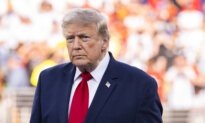
President Donald Trump has criticized South Africa’s domestic and foreign policies, including its land expropriation law and its accusations that Israel committed genocide in Gaza, accusations that Israel denies.
In February, Trump signed an executive order to freeze aid to South Africa due to the country’s Expropriation Act, which was signed into law by South African President Cyril Ramaphosa in January. South Africa says the law seeks to address racial disparities in land ownership by redistributing certain unused land.
In a fact sheet accompanying the order, the White House wrote, “The government of South Africa blatantly discriminates against ethnic minority descendants of settler groups.”
The fact sheet stated, “As long as South Africa continues to support bad actors on the world stage and allows violent attacks on innocent disfavored minority farmers, the United States will stop aid and assistance to the country.”
It added that the president would work to resettle white South African farmers and their families, with the executive order also establishing a refugee program “for Afrikaners in South Africa who are victims of unjust racial discrimination.”
Since the end of apartheid, Pretoria has implemented affirmative action and what it calls Black Economic Empowerment policies. The South African government has denied seizing land belonging to white citizens.
South Africa to Host G20
The South African government has strongly opposed the U.S. refugee program, saying that allegations of discrimination are unfounded. The government disputes that those being invited to come to the United States qualify as refugees under international law.
The first such refugees arrived in the United States in May.
Tensions remain between Washington and Pretoria, with Trump saying in July he may skip the G20 summit in Johannesburg in November, citing his disapproval of South Africa’s policies.
“I’ve had a lot of problems with South Africa. They have some very bad policies,” Trump told reporters on July 29.
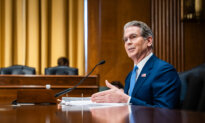
Earlier this year, Secretary of State Marco Rubio said he would not attend a G20 gathering of foreign ministers in protest against South Africa’s policies regarding land and climate.
In a Feb. 5 post to X, Rubio criticized South Africa for “expropriating private property” and for using the G20 platform to promote “solidarity, equality, & sustainability.”
“In other words: DEI and climate change,” Rubio said, adding that it was not in the United States’ interest to waste taxpayer money or “coddle anti-Americanism.”
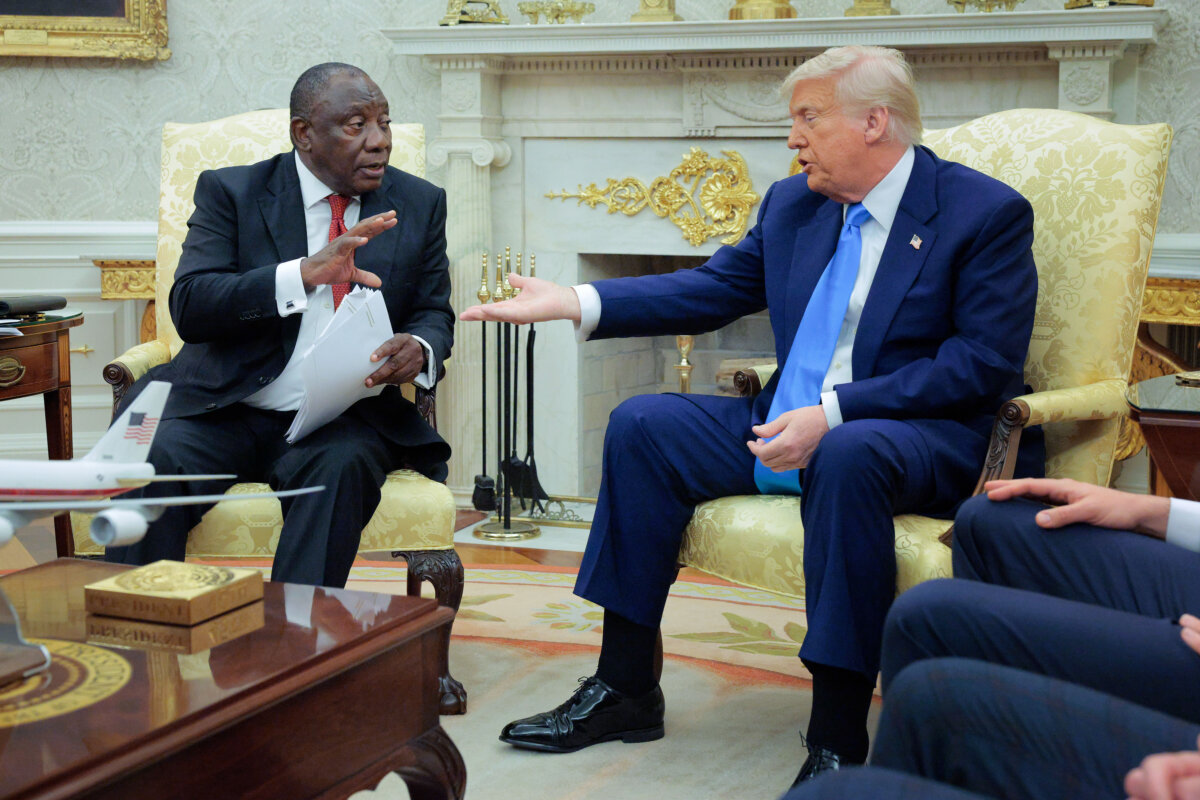
Ramaphosa said in May that he expects Trump to attend the G20 summit to ensure the smooth handover of the G20 presidency to the United States.
“I want to hand over the [G20] presidency to President Trump in November,” Ramaphosa said. “He needs to be there. I don’t want to hand it over to an empty chair. I expect him to be coming to South Africa.”
Reuters contributed to this report.
 Friends Read Free
Copy
Facebook
Tweet
Friends Read Free
Copy
Facebook
Tweet