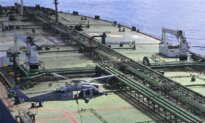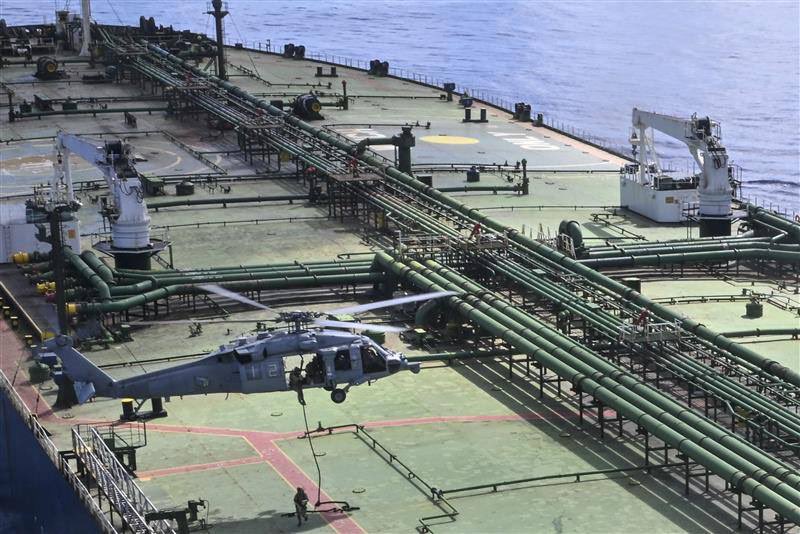

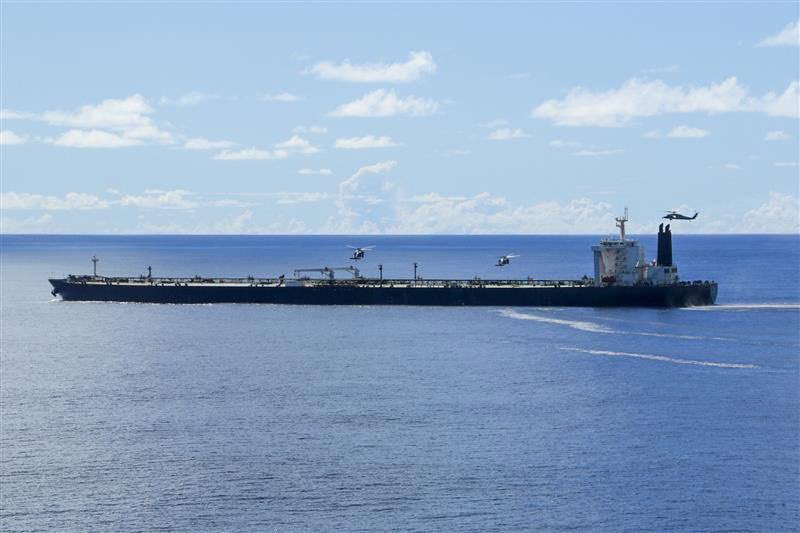
U.S. forces boarded a sanctioned, Iran-linked oil tanker in the Indian Ocean overnight, the Pentagon said on April 23, in the latest expansion of Washington’s global maritime enforcement campaign aimed at cutting off Tehran’s oil revenues and supply networks to further degrade Iran’s warfighting capacity.
In a statement posted on X, the Department of War said U.S. forces carried out a “maritime interdiction and right-of-visit boarding” of the stateless vessel M/T Majestic X, which it said was transporting Iranian oil within the U.S. Indo-Pacific Command area of responsibility.
“We will continue global maritime enforcement to disrupt illicit networks and interdict vessels providing material support to Iran, wherever they operate,” the War Department stated. “International waters cannot be used as a shield by sanctioned actors.”
The boarding marks one of the clearest examples to date of U.S. forces applying wartime maritime authorities beyond the Middle East, following a policy shift earlier this month that expanded the scope of enforcement to allow boarding, search, and seizure of Iran-linked vessels on the high seas worldwide.
Global Enforcement Push Expands
The operation comes amid a widening U.S. campaign to intercept ships tied to Iran’s so-called “shadow fleet,” a network of tankers used to transport oil in defiance of international sanctions, as well as vessels used to transport goods that can bolster Tehran’s ability to wage war.
U.S. Central Command said in a separate April 23 update that U.S. forces have now directed 31 vessels to turn around or return to port as part of Washington’s maritime blockade of Iran.
The blockade, imposed earlier this month, targets vessels entering or leaving Iranian ports as well as ships suspected of carrying items—including dual-use goods—that could support Iran’s military or war economy.
Under expanded rules issued on April 16, enforcement authorities now extend globally, invoking the “belligerent right to visit and search,” a doctrine of naval warfare.
Senior U.S. military officials have said forces operating in multiple theaters, including the Indo-Pacific, are prepared to pursue Iran-linked vessels wherever they are found.
“The joint force, through operations and activities in other areas of responsibility, like the Pacific Area of Responsibility … will pursue any Iranian-flagged vessel or any vessel attempting to provide material support to Iran,” Gen. Dan Caine, chairman of the Joint Chiefs of Staff, told reporters at an April 16 press briefing.
“Turn around or prepare to be boarded if you do not comply with this blockade—we will use force,” Caine warned, describing a range of escalation options that could include warning shots and vessel takeover.
The Majestic X interdiction ties into that strategy, with the action taking place far from the Persian Gulf but still tied to the broader campaign targeting Iran.
Rising Maritime Tensions
The U.S. boarding comes amid escalating tensions at sea, particularly around the Strait of Hormuz, a critical chokepoint through which roughly one-fifth of global oil and liquefied natural gas typically flows.
Following the failure of U.S.-backed peace talks to make a breakthrough, Iran has tightened its control over the waterway, showcasing its actions in Iranian state media footage that aired overnight, showing armed commandos storming large cargo vessels.
Iranian authorities said they had seized two ships—the MSC Francesca and the Epaminondas—accusing them of attempting to transit the strait without permits. Video broadcast by state television showed masked troops boarding a vessel from speedboats and entering through a hull opening, in what appeared to be a staged demonstration of enforcement capability.
Officials in Tehran have defended the seizures as lawful enforcement. Iran’s judiciary chief, Gholamhossein Mohseni-Ejei, said vessels targeted in the strait had “faced the law,” while parliamentary figures indicated that Iran has begun collecting tolls from ships transiting the waterway.
The incidents follow reports from maritime authorities that Iranian forces fired on commercial vessels near the strait on April 22, damaging at least one ship and forcing another to stop.
The maritime confrontations come against the backdrop of a fragile ceasefire between Iran and U.S.- and Israeli-aligned forces.
U.S. President Donald Trump extended the truce earlier this week to give diplomacy more time, but negotiations have stalled, with no new talks scheduled and both sides hardening their positions.
Tehran has said it will not reopen the Strait of Hormuz to normal traffic unless Washington lifts its blockade of Iranian shipping, which Iranian officials describe as a violation of the ceasefire.
The United States, however, has refused to ease maritime pressure. Officials have described the blockade as a necessary tool to deny Iran revenue streams used to fund military operations and regional proxies.
 Friends Read Free
Copy
Facebook
Tweet
Friends Read Free
Copy
Facebook
Tweet