
Japan and the United States reaffirmed their cooperation on currency-market developments during meetings in Tokyo on May 12, as renewed volatility in the yen continued to draw attention from investors and policymakers.
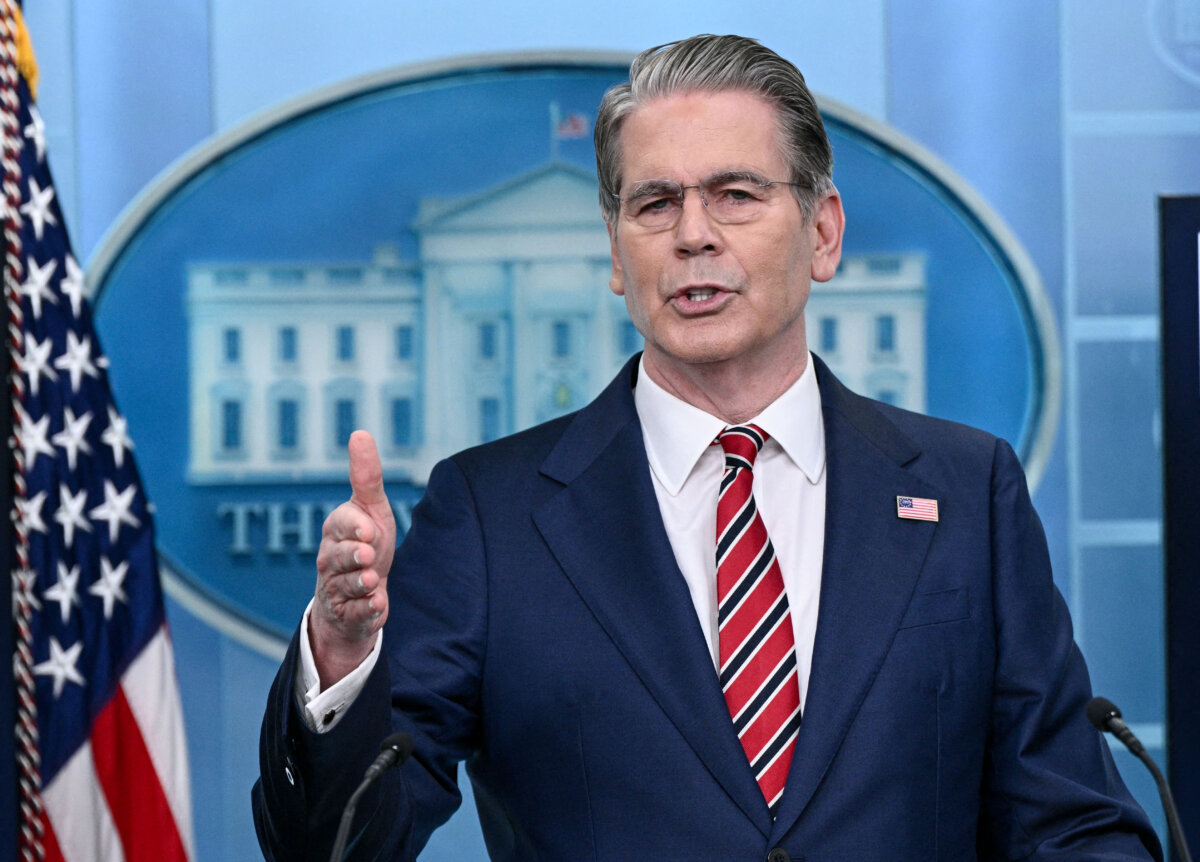
Japanese Finance Minister Satsuki Katayama told reporters after meeting U.S. Treasury Secretary Scott Bessent that the two sides discussed exchange-rate movements and agreed to maintain close communication on financial markets.
“We discussed market developments, including exchange-rate moves,” Katayama said after the meeting at Japan’s Finance Ministry on May 12.
She added that Japan and the United States were “coordinating extremely well on recent market moves, including exchange rates,” and agreed to continue working closely on developments in the currency markets.
The discussions took place ahead of U.S. President Donald Trump’s scheduled May 14–15 meeting with Chinese leader Xi Jinping in Beijing, where trade, security, and economic issues are expected to be discussed.
Currency coordination between Tokyo and Washington has come into sharper focus amid recent yen swings.
Market participants have closely watched Japanese authorities for signs of intervention to slow the currency’s decline against the U.S. dollar.
Yen Volatility
The yen has faced renewed downward pressure as investors moved into dollar-denominated assets amid instability in the Middle East and expectations that U.S. interest rates could remain elevated.
On April 29, the dollar fell to 154.40 yen after trading as high as 160.245 yen earlier in the session.
The currency pressure also came after the Bank of Japan maintained accommodative monetary policy settings while signaling that inflation was likely to remain near its target level.
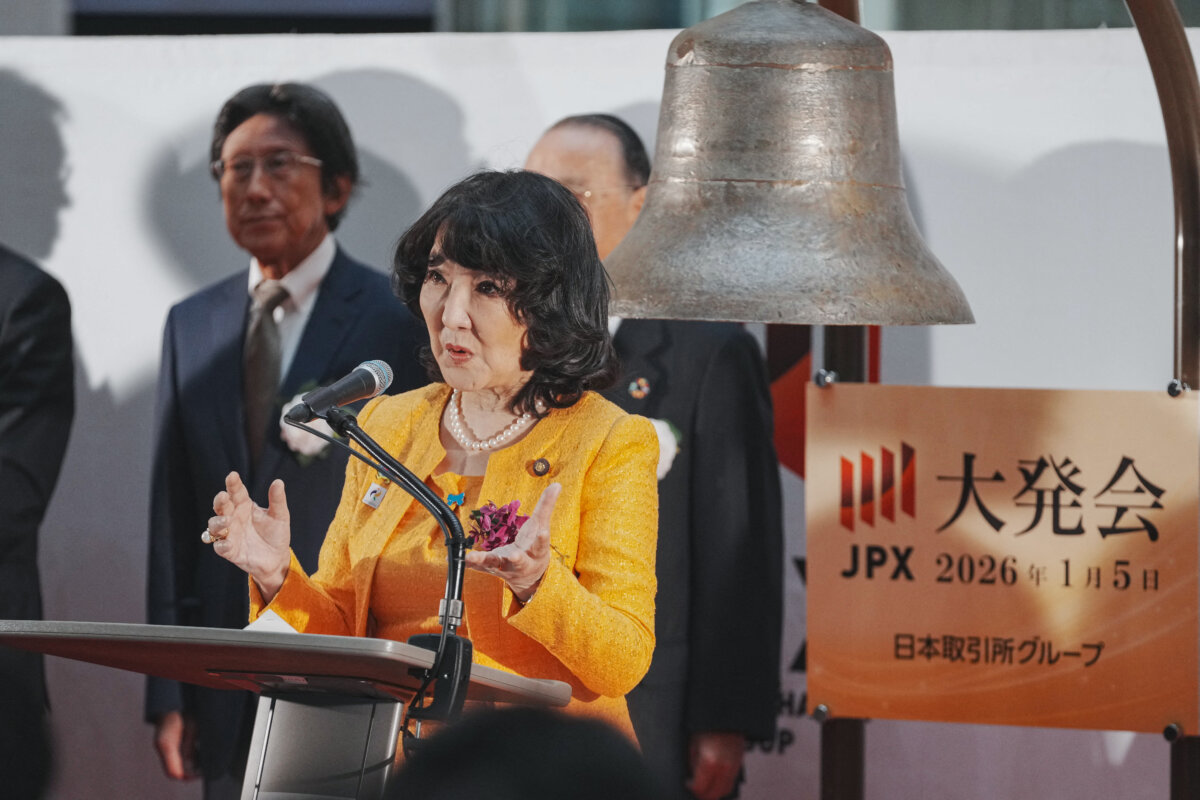
On April 25, the Bank of Japan kept its short-term interest rate target at a range of 0 to 0.1 percent and issued inflation forecasts projecting prices would remain near the central bank’s 2 percent target over the following three years.
More recently, on April 28, the Bank of Japan announced that it would keep its short-term policy interest rate unchanged at 0.75 percent.
‘Strong Economic Resiliency’
Following the meetings, both Japanese and U.S. officials issued public statements emphasizing broader economic cooperation beyond currency issues.
Katayama wrote in a May 12 post on X that she attended a courtesy meeting between Bessent and Japanese Prime Minister Sanae Takaichi and described the discussions as constructive.
“It was a very positive atmosphere, and I believe all the messages Japan wanted to convey were fully communicated over these two days,” Katayama said.
Bessent also posted on X on May 12, saying he had reaffirmed “the strong economic partnership between the United States and Japan” during his talks with Katayama.
“The level of communication and coordination between our teams in addressing undesirable, excess volatility in currency markets continues to be constant and robust,” Bessent wrote.
In the same statement, Bessent said he congratulated Japan on what he described as its “strong economic resiliency” and said the two sides discussed the U.S.–Japan investment agreement, critical minerals cooperation, and investment-screening measures.
In another May 12 post on X, Bessent said he met separately with Japanese Economy Minister Ryosei Akazawa to discuss energy exports, supply chains, and investment coordination.
“Thanks to President Trump’s policy of American Energy Dominance, the United States is now exporting a record amount of energy to the world,” Bessent wrote.
He also said the two countries continued “positive collaboration” on critical minerals and supply-chain issues and stressed “the need for rapid and consistent progress on the U.S.–Japan investment agreement.”
Reuters contributed to this report.
 Friends Read Free
Copy
Facebook
Tweet
Friends Read Free
Copy
Facebook
Tweet