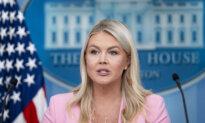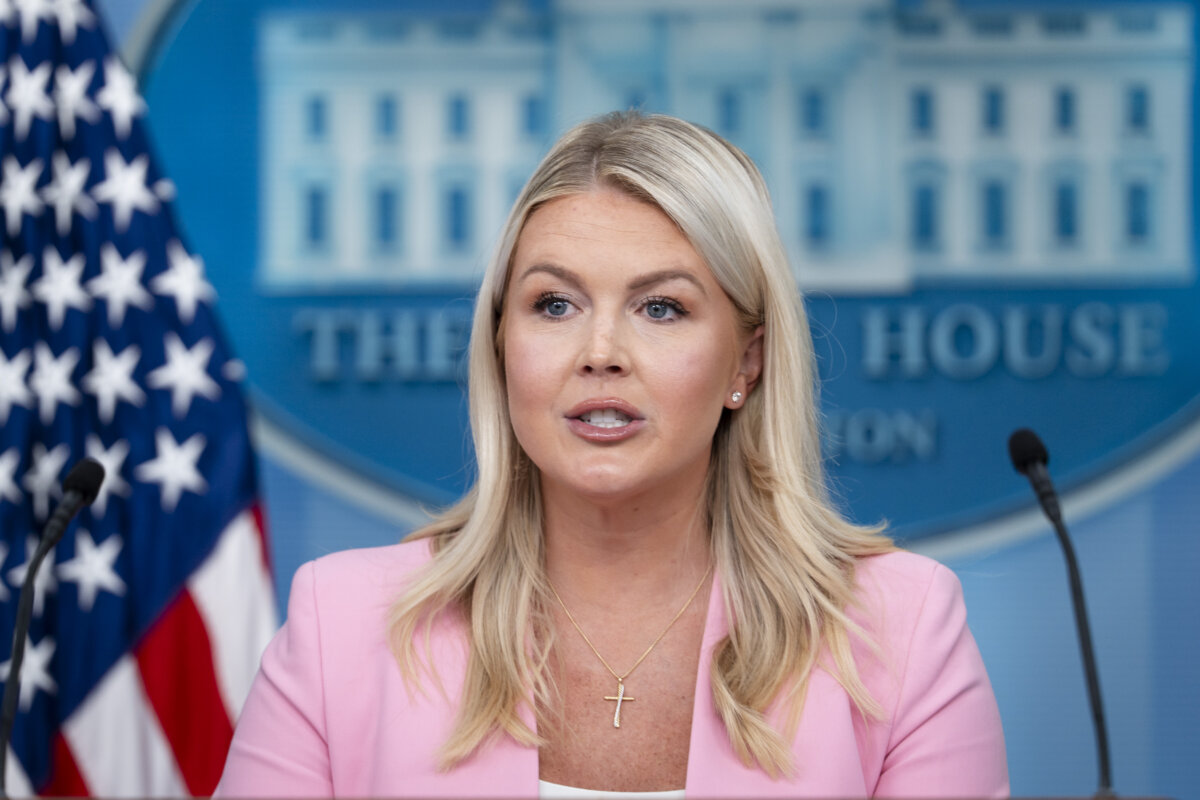

White House press secretary Karoline Leavitt on Thursday said the United States is currently in no talks with Iran amid tensions over the Strait of Hormuz and the country’s nuclear program, following an on-and-off bombing campaign that started earlier this year.
“No negotiations are happening right now, and this will continue until the president feels that maybe they come to the table in a meaningful way,” Leavitt told Fox News. “We have not seen that yet.”
The press secretary, who is due to leave her position soon, added that the United States is currently focused on imposing economic pressure on Tehran, after new sanctions were placed on Iran earlier this week.
“We’ve had Operation Epic Fury to destroy their military. Now we have Operation Economic Outcast to destroy their economy,” Leavitt said.
But President Donald Trump is looking to “retain all options on the table,” she told the outlet.
On Monday, the U.S. Treasury Department announced the economic operation, describing it as “an unprecedented, whole-of-government, economic campaign against the Islamic Republic of Iran and its enablers” while likening the move to D-Day, when American and Allied forces landed on beaches in Normandy, France, during World War II.
The move, according to the department, is meant to sever “lifelines” that support the Islamic regime and its military forces in a bid to shut down “every financial resource that supports the leading state sponsor of terror,” including new measures against countries that are cooperating with Tehran.
Iranian officials have asserted that Tehran will resist the new economic measures. The speaker of Iran’s parliament, Mohammad Bagher Ghalibaf, said Thursday in remarks paraphrased by semi-official media outlet IRNA that Iran’s “private sector and all branches” of its government “will defeat the enemy in this arena.”
Esmail Baghaei, Iran’s Foreign Ministry spokesperson, said this week that “any escalation of this situation will undoubtedly bring about consequences,” adding, “Our hands are not tied.”
On Wednesday, Trump told radio host Glenn Beck the Strait of Hormuz is functionally open, adding that 10 million barrels of oil were taken through the crucial, strategic waterway on Tuesday. He noted, however, that Iran is firing projectiles at ships in the strait, which links the Gulf oil-producing nations with the wider economy.
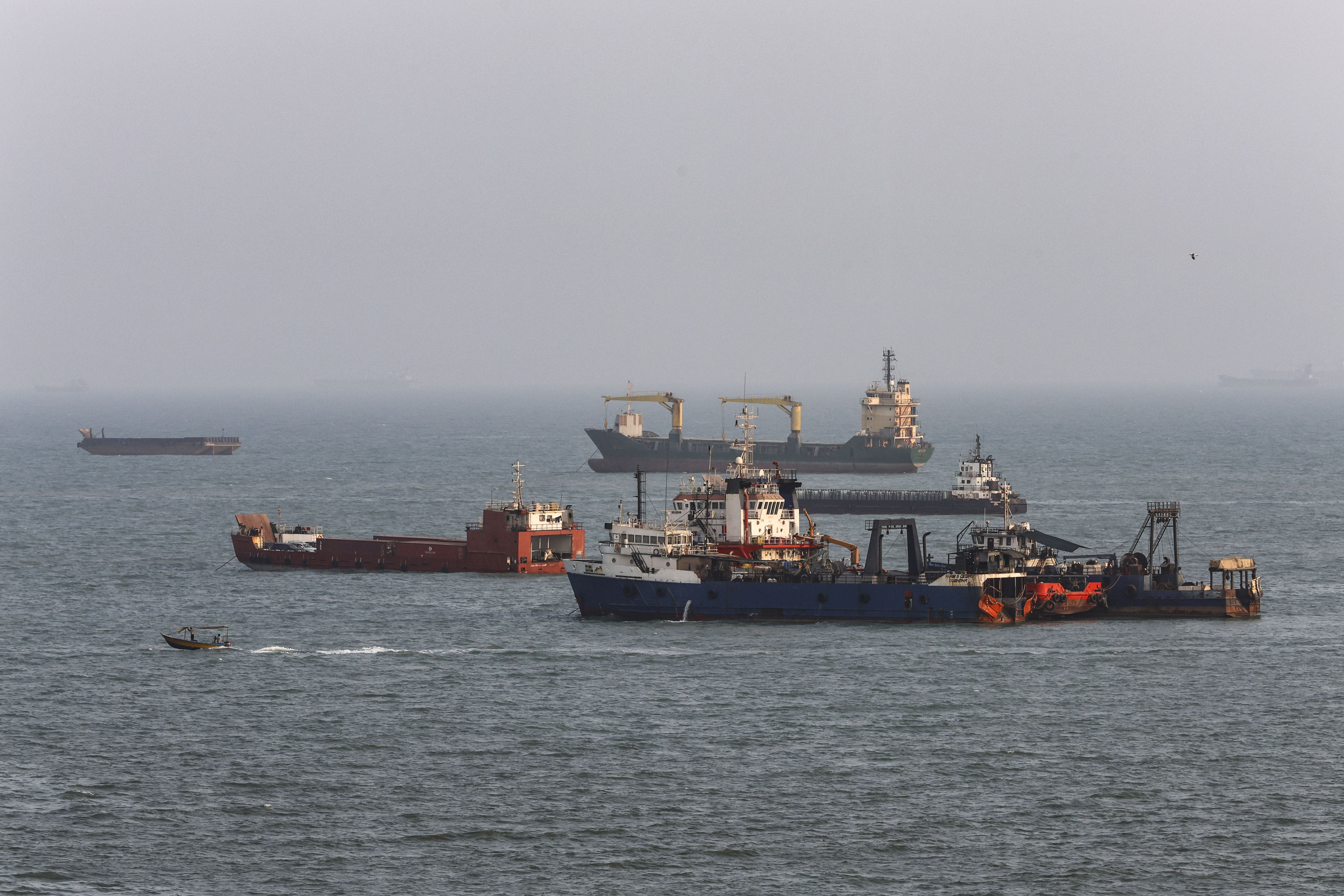 Ships are anchored in the Strait of Hormuz, off the coast of Bandar Abbas, Iran, on August 10, 2026. (Ali Saeedi/Getty Images)
Trump reiterated in his interview that Iran cannot be allowed to produce a nuclear weapon, a reason he has given for launching the initial wave of strikes alongside Israel against the regime in late February. The first wave of attacks, which killed numerous leaders of the regime, including Ayatollah Ali Khamenei, lasted until mid-April before talks were initiated between the two sides and a tentative ceasefire was implemented.
But talks between Washington and Tehran faltered even after a memorandum of understanding was established between the two parties in June, which later collapsed after Iran fired upon ships in the Hormuz Strait in July. The U.S. military responded by striking Iranian targets daily for about two weeks as it reimposed a naval blockade.
 Friends Read Free
Copy
Facebook
Tweet
Friends Read Free
Copy
Facebook
Tweet