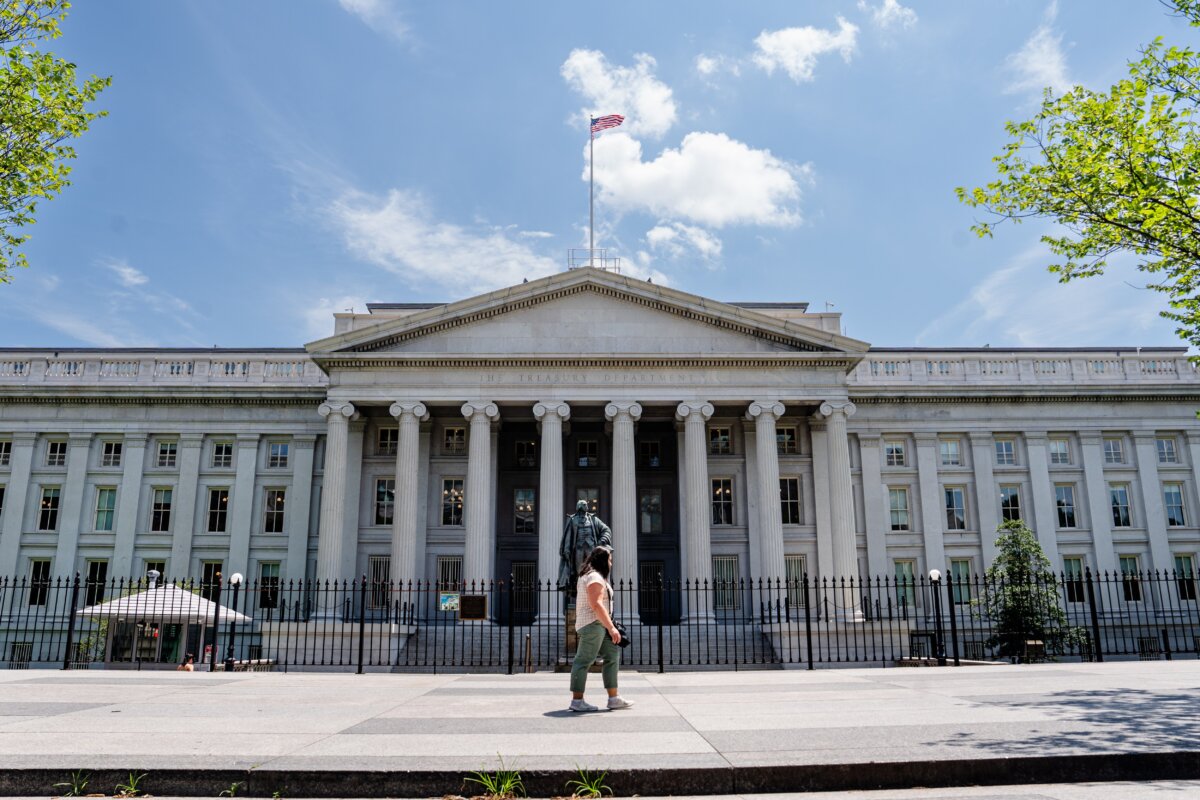

The United States imposed sanctions on Iraqi Deputy Oil Minister Ali Maarij al-Bahadly and militias on May 7 over support for Iran, the U.S. Treasury Department said.
The Treasury Department, in a statement, accused Maarij of abusing “his position to facilitate the diversion of oil to be sold for the benefit of the Iranian regime and its proxy militias in Iraq.”
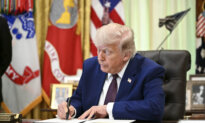
The move comes as part of U.S. President Donald Trump’s “Operation Economic Fury,” which aims to apply financial pressure to Iran, alongside the ongoing military action against the regime.
The department said Maarij enabled an Iran-affiliated oil smuggler to mix Iranian oil with Iraqi oil before being shipped to global markets and falsified documents on the provenance of that oil that helped Iranian-affiliated networks to sell the mix.
The department further said Maarij authorized the trucking of several million dollars’ worth of oil per day from Iraq’s Qayarah oil field for export, helping Iranian networks.
The U.S. Treasury is also sanctioning three senior leaders of Iran-aligned militias Kata’ib Sayyid Al-Shuhada and Asa’ib Ahl Al-Haq, it said.
As a result of the sanctions, “all property and interests in property of the designated or blocked persons described above that are in the United States or in the possession or control of U.S. persons are blocked and must be reported” to the Treasury’s Office of Foreign Assets Control (OFAC), the department said.
“OFAC’s regulations generally prohibit all transactions by U.S. persons or within (or transiting) the United States that involve any property or interests in property of blocked persons,” the statement said.
“Like a rogue gang, the Iranian regime is pillaging resources that rightfully belong to the Iraqi people,” U.S. Treasury Secretary Scott Bessent said in a May 7 post on X.
“Treasury will not stand idly by as Iran’s military exploits Iraqi oil to fund terrorism against the United States and our partners.”
The U.S. Embassy in Baghdad said in a May 7 post on X written in Arabic that the actions of the sanctioned individuals “undermine Iraq’s sovereignty and fuel attacks against Americans and Iraqis.”
Iraq’s oil ministry denied the accusations and said it was ready to cooperate and conduct any fair investigation regarding the allegations made by the United States, Baghdad’s state media outlet Iraqi News Agency (INA) reported.
It further said that crude oil export operations, marketing, tanker loading, and related procedures do not fall under Maarij’s purview, according to INA.
Maarij himself has not yet commented on the allegations.
The sanctioning of the Iraqi minister comes as Trump called a deal to end the war between Washington and Tehran “very possible” on May 7.
“We’ve had some good talks before and all of sudden the next day … they forgot what happened,” Trump told reporters. “Look, this is very simple, Iran can not have a nuclear weapon. … And they won’t and they’ve agreed to that among other things.”
Trump had put out a warning that Iran would be bombed again if a deal could not be made.
“Assuming Iran agrees to give what has been agreed to, which is, perhaps, a big assumption, the already legendary Epic Fury will be at an end, and the highly effective Blockade will allow the Hormuz Strait to be open to all, including Iran,” Trump wrote in a May 6 post on Truth Social. “If they don’t agree, the bombing starts, and it will be, sadly, at a much higher level and intensity than it was before.”
Senior Israeli political officials told Epoch Magazine Israel that Jerusalem believed there were signs of progress in contacts involving Trump and Iranian Foreign Minister Abbas Araghchi. The Israeli officials cautioned that divisions within Iran’s leadership continued to threaten prospects for a durable agreement.
Iran has said it is reviewing the peace proposal.
Tom Gantert and Reuters contributed to this report.
 Friends Read Free
Copy
Facebook
Tweet
Friends Read Free
Copy
Facebook
Tweet