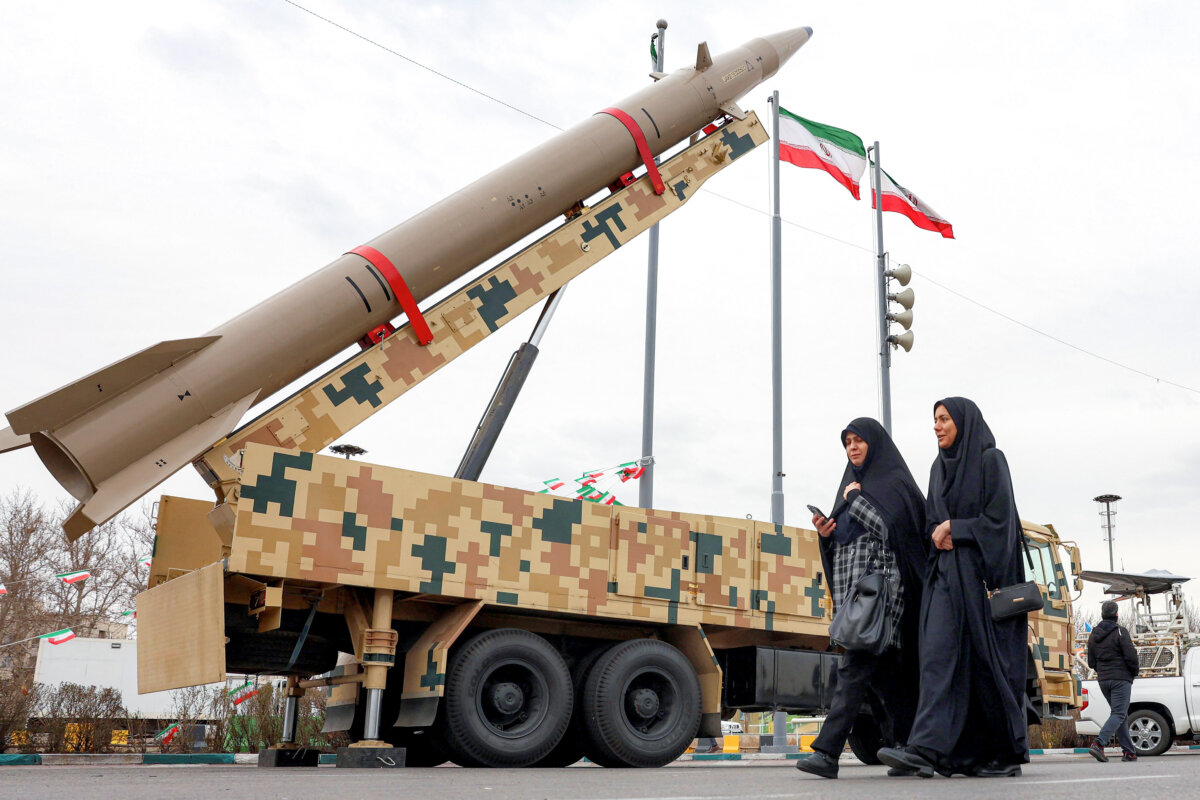

The Trump administration on June 10 imposed sanctions on 13 individuals and entities based in Iran, China, Hong Kong, and Belarus that U.S. officials say were involved in procuring weapons and military-related equipment for Iran’s armed forces.
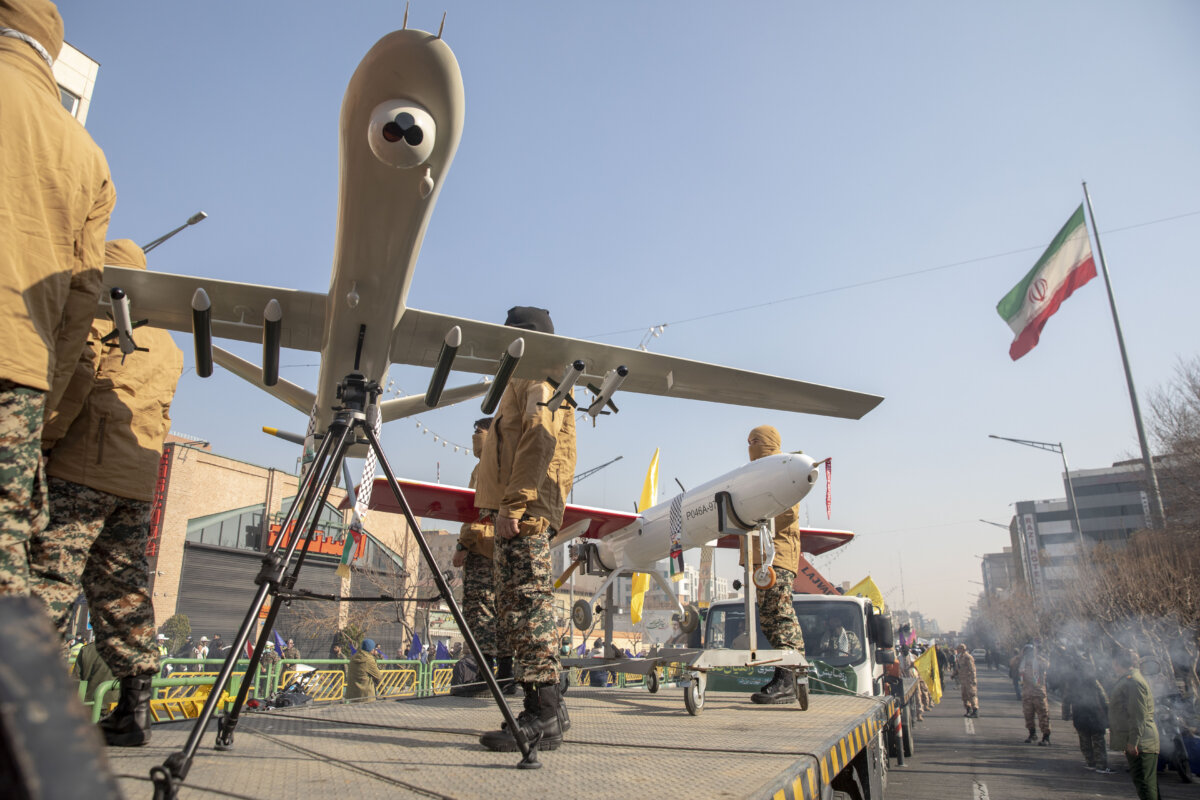
The coordinated action by the Department of the Treasury and the State Department targets networks accused of helping Tehran acquire conventional weapons, including man-portable air-defense systems (MANPADS) from China, as the administration continues its “maximum pressure” campaign against Iran.
The action was taken in support of U.S. President Donald Trump’s Feb. 4 national security memorandum, which instructs the U.S. government to deny Iran’s military and the Islamic Revolutionary Guard Corps (IRGC) the resources needed to “sustain their destabilizing activities” and counter the development of Iran’s missile and other weapons programs.
U.S. Treasury Secretary Scott Bessent said the measures were part of the Trump administration’s Economic Fury initiative, which targets Iran’s warfighting capabilities through economic measures, such as disrupting financial networks that support the Tehran regime.
“Through Economic Fury, the Treasury Department is disrupting the foreign procurement networks that support the Iranian military’s efforts to acquire weapons,” Bessent said in a statement.
“Treasury has frozen the Iranian regime’s assets, severely disrupted its economy, and dismantled the Iranian war machine. Treasury will not tolerate any support of the Iranian military.”
The Treasury’s Office of Foreign Assets Control sanctioned nine individuals and entities that it said had supported weapons procurement on behalf of the IRGC and Iran’s military, per a Treasury announcement.
The State Department said it was designating four additional Iran- and Belarus-based individuals and entities under authorities targeting Iran’s conventional arms activities.
The sanctions follow similar actions announced on May 8 against procurement networks that U.S. officials said were sourcing weapons and military technologies for Iran, including raw materials used in Tehran’s ballistic missiles and attack drones.
China, Hong Kong Procurement Networks
The Treasury Department said several of the newly sanctioned individuals and companies were based in China and Hong Kong and had facilitated weapons purchases for the IRGC and Iran’s military.
Among those designated was Hong Kong-based Domus Trading HK Limited, which the Treasury described as operating within Iran’s clandestine banking network and attempting to facilitate payments related to Iranian weapons procurement efforts. Shanghai-based Mustad Shanghai International Trade Co. Ltd., a subsidiary of Mustad Limited, was also designated.
The Treasury additionally targeted a separate procurement network tied to Iran’s military.
The sanctions block all property and interests in property of the designated people who are subject to U.S. jurisdiction and prohibit Americans from engaging in transactions with them.
The Treasury also said that foreign financial institutions that knowingly engage in significant transactions involving sanctioned parties could face secondary sanctions.
Belarus, Iran Designations
The State Department’s designations focused on entities and individuals that officials said helped Iran acquire conventional weapons and military technologies.
Among them was Armory Alliance, a Belarus-based company that U.S. officials said acted as an intermediary between China-based suppliers and Iran. The company facilitated purchases of hundreds of MANPADS and attempted to conceal the shipments’ origin and ultimate destination by routing them through third countries, the State Department said.
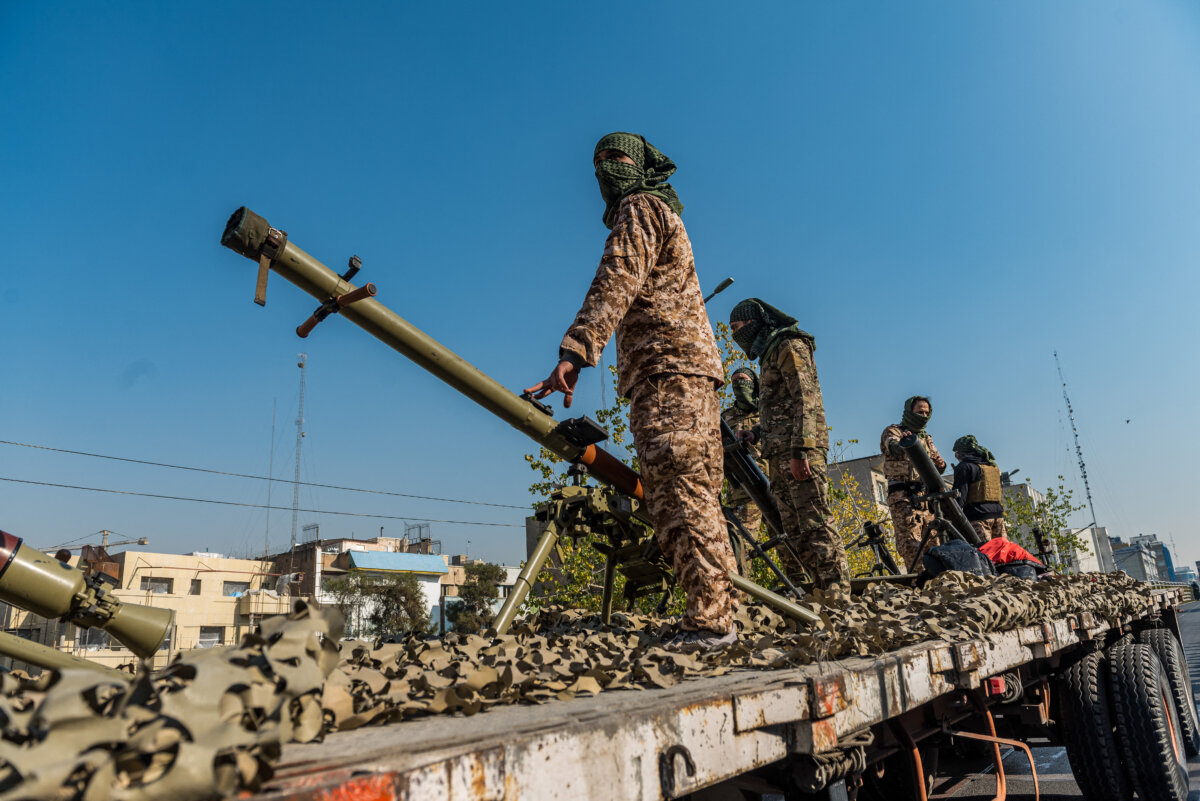
Another target was Iran’s Center for Innovation and Technology Cooperation (CITC), a regime-linked organization that U.S. officials said was involved in obtaining satellite imagery and coordinating military-related procurement activities.
According to the State Department, CITC coordinated with Iran’s Ministry of Intelligence and Security regarding targeting information associated with an Iranian attack in March 2026 on a facility hosting U.S. forces, an attack that injured American service members.
State Department spokesman Tommy Pigott said the measures demonstrate the Trump administration’s ongoing effort to prevent Iran from rebuilding military capabilities and proliferation-sensitive programs.
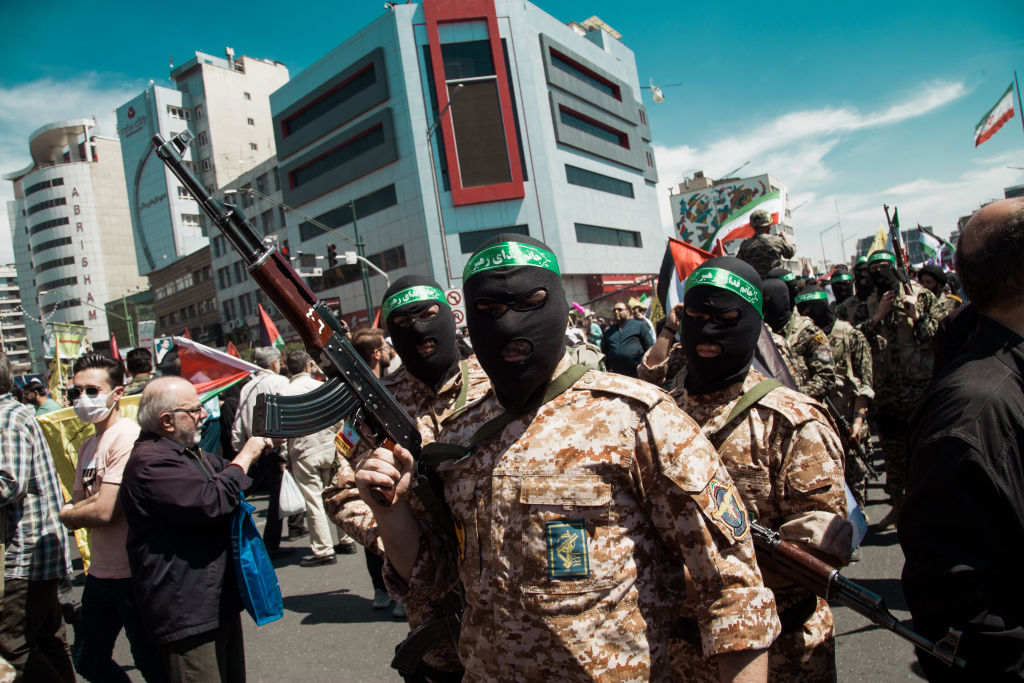
“Consistent with the President’s National Security Memorandum 2 … the United States continues to maintain maximum pressure on Iran and take actions to deny the IRGC and the government of Iran access to the resources that sustain their destabilizing activities,” Pigott said in a statement.
Pigott also said the measures support the implementation of U.N. restrictions on Iran that were reimposed following what he described as Tehran’s “significant non-performance” of its nuclear commitments.
 Friends Read Free
Copy
Facebook
Tweet
Friends Read Free
Copy
Facebook
Tweet