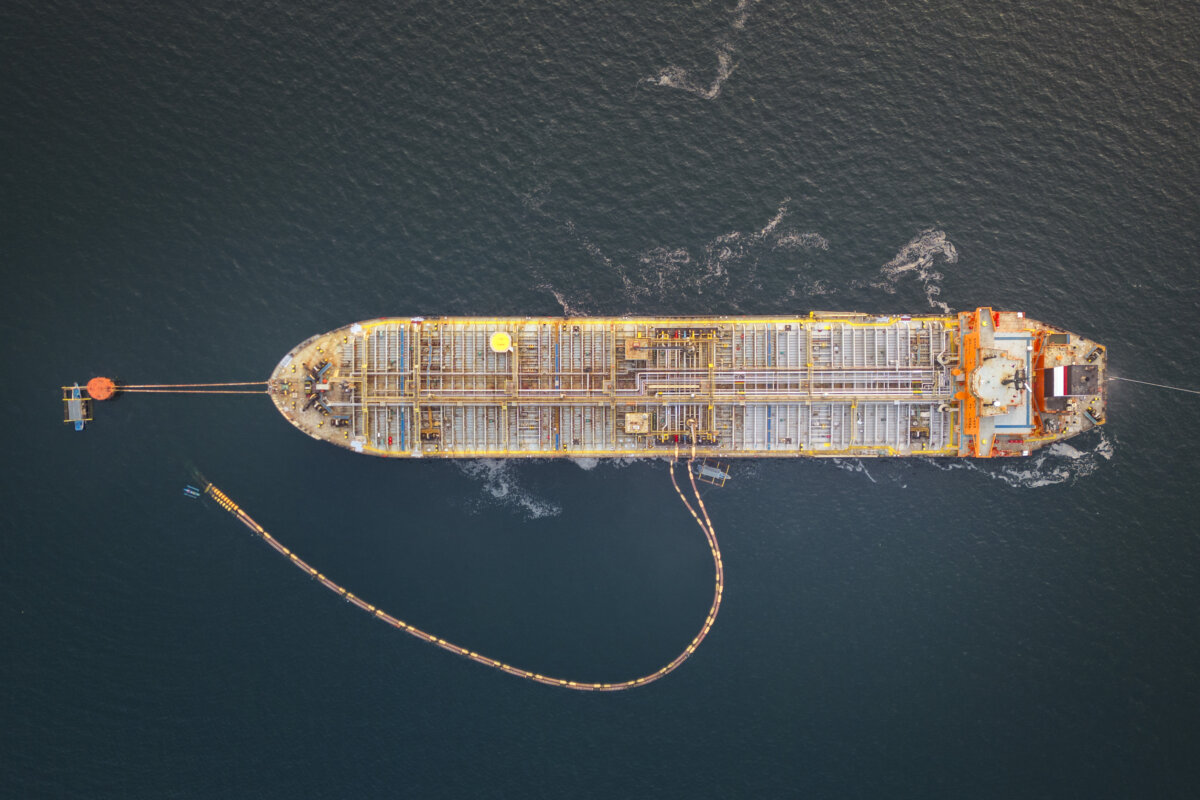

The Trump administration renewed a key sanctions waiver on April 17, allowing countries to purchase Russian oil stranded at sea, responding to urgent pressure from Asian nations battered by skyrocketing energy costs.
The move also reverses a position that Treasury Secretary Scott Bessent had stated two days earlier.
The Treasury Department’s Office of Foreign Assets Control issued General License 134B on April 17, authorizing transactions tied to Russian crude and petroleum products loaded onto vessels as of that date.
The waiver runs through May 16 and replaces a previous license that expired on April 11.
The move comes after Bessent told reporters on April 15 that the administration would not extend the earlier waiver, signaling what appeared to be a firmer stance on Russian energy exports.
“As negotiations [with Iran] accelerate, Treasury wants to ensure oil is available to those who need it,” a Treasury spokesperson said.
The Russia-related license waiver excludes transactions to Iran, Cuba, and North Korea.
Global oil prices tumbled by 9 percent on April 17 to about $90 a barrel after Iran temporarily reopened the Strait of Hormuz, an oil choke point in the Gulf.
Trump also discussed oil on a call on April 14 with Indian Prime Minister Narendra Modi, a major purchaser of Russian crude.
The ongoing war in Iran has cost New Delhi access to approximately 3 million barrels per day that previously transited the Strait of Hormuz.
The war, which enters its eighth week on Saturday, has damaged more than 80 oil and gas facilities in the Middle East, and Tehran has warned that it could close the strait again if the recent U.S. Navy blockade of Iranian ports continues.
Just before the April 17 reversal, the Treasury had declared that it was moving aggressively to maintain “maximum pressure” on Iran under its “Economic Fury” campaign, and would not renew a separate waiver on Iranian oil sales.
The juxtaposition of tightening Iranian sanctions while loosening Russian oil relief underscores the competing pressures bearing on the administration’s energy policy.
The April 17 decision follows a series of energy-related policy adjustments that Washington has made since U.S.–Israeli military operations against Iran began in late February.
On March 6, Bessent said the United States may consider easing sanctions on more Russian oil after granting India a 30-day waiver to purchase Russian crude.
Days later, on March 9, Trump said Washington would waive oil-related sanctions on some countries.
“We’re looking to keep the oil prices down,” he said during a press conference in Miami, adding that prices had risen artificially because of the conflict.
On March 18, the Treasury eased sanctions on Venezuela’s state-owned oil and gas company, allowing U.S. companies to do business with the firm amid tightening oil supplies during the Iran war. The following day, Bessent said the United States may lift sanctions on Iranian oil currently in transit to bolster supply and stabilize energy prices. An Iranian oil waiver, issued on March 20, ultimately allowed some 140 million barrels to reach global markets.
Reuters contributed to this report.
 Friends Read Free
Copy
Facebook
Tweet
Friends Read Free
Copy
Facebook
Tweet