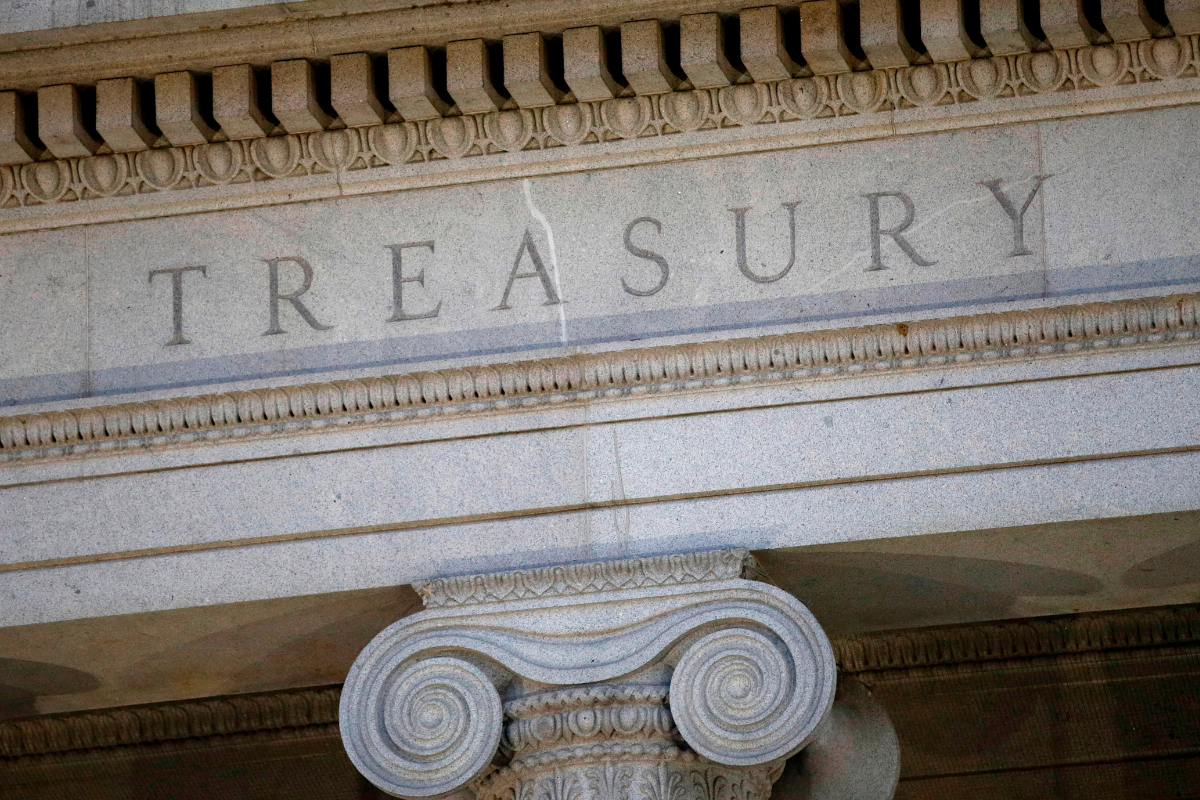

The Treasury Department on Thursday designated a key financier for Iranian leader Mojtaba Khamenei and several Iranian shadow exchange houses along with their operators and front companies.
The Office of Foreign Assets Control imposed the measures under executive orders targeting Iran’s financial sector and the Supreme Leader’s network. The designations block all property and interests in property of the named parties that are in the United States or come under the control of Americans, who are prohibited from dealings with them.
Among those sanctioned are Dubai-based Iranian national Ali Ansari, for allegedly materially assisting Khamenei. It also designated Ansari’s Saint Kitts and Nevis-based holding company, Smart Global Limited.
Several Iranian general partnership exchange houses and their controlling partners faced sanctions for operating in Iran’s financial sector. Those companies include Mohammad Darbani and Partners Exchange General Partnership Company, Lavasani and Partners General Partnership Company, and Mohsen Khandan, and Partners General Partnership Company.
Their controlling partners—including Mohammad Darbani, Shokufeh Rostam Abadi, Zahra Sarshari, Ahmad Navai Lavasani, Amir Navai Lavasani, Mohsen Khandan, and Ali Asghar Khandan—were also designated.
Two front companies, CDM Trading Limited in Hong Kong and Naba Alzaki Raw Materials Trading LLC in the United Arab Emirates, were also included.
According to the Treasury, the companies hold tens to hundreds of millions of dollars in foreign currency for sanctioned Iranian banks and facilitate payments through cover companies. Ansari’s network allegedly diverted public funds into overseas real estate and commercial holdings in multiple countries to benefit regime officials and the Islamic Revolutionary Guard Corps.
“The so-called Supreme Leader is hiding in seclusion while his regime crumbles,” Treasury Secretary Scott Bessent said in a statement. “Treasury will continue using every tool at its disposal to isolate him and other regime elites from the global financial system. We will preserve these assets for the Iranian people.”
The sanctions come after earlier sanctions by the Treasury against Iranian shadow banking and currency exchange networks.
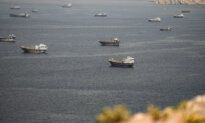
This latest round of financial pressure follows Iran’s attacks on commercial vessels in the Strait of Hormuz earlier this week. Multiple oil tankers were struck by projectiles in the vital waterway, according to the UK Maritime Trade Organization.
In response, the United States revoked a license that had allowed Iran to produce, sell, and deliver oil. The Treasury’s Office of Foreign Assets Control withdrew General License X, which had been issued under a mid-June memorandum of understanding. The license had been set to run through Aug. 21 and carried performance-based conditions tied to Iranian behavior.
Iran has long relied on domestic currency exchange houses to move foreign currency for its sanctioned banks. These family-run general partnerships often use layers of shell companies to conceal transactions involving billions of dollars annually on behalf of banks such as Bank Melli, Bank Saderat, and others already under U.S. sanctions.
 Friends Read Free
Copy
Facebook
Tweet
Friends Read Free
Copy
Facebook
Tweet