
The Victorian government will expand the powers of the Independent Broad-based Anti-corruption Commission (IBAC), enabling it to follow taxpayer funds beyond direct government contracts.
The proposed changes would enable the watchdog to investigate how public funds move through subcontracting networks and labour-hire firms, including those involved in major construction projects.
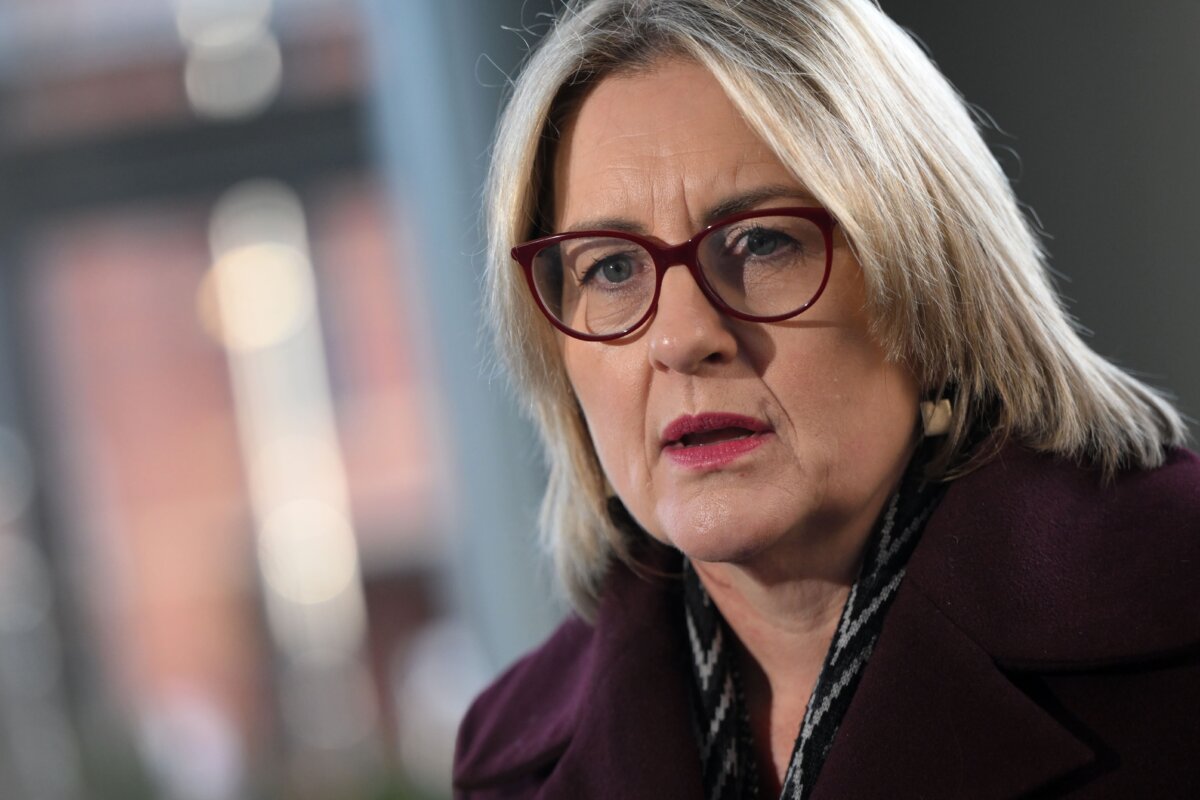
“Let me be clear, I want the follow the money investigative powers to be retrospective. IBAC should be able to examine recent allegations and also work alongside Victoria Police to ensure all criminal behaviour is investigated,” Premier Jacinta Allan told reporters on June 1.
The reforms stem from a review by Parliament’s Integrity and Oversight Committee and recommendations put forward by the IBAC itself.
Allan said the committee made 29 recommendations, with the government agreeing to support 21, including a proposal to give the IBAC retrospective “follow-the-money” powers.
To help implement the reforms, the government will establish a temporary expert reference group chaired by the secretary of the Department of Justice and Community Safety.
The group will include representatives from the IBAC, the Victorian Ombudsman, Integrity Oversight Victoria and Victoria Police, with additional members to be appointed if required.
The panel will examine the legal and operational implications of the recommendations before legislation is drafted.
Government’s official response will be tabled before the parliament on June 2.
Corruption Allegations Put Spotlight on Big Build
The announcement comes as Victoria continues to grapple with allegations of criminal infiltration and corruption linked to the state’s Big Build program.
In February 2026, a report by barrister Geoffrey Watson estimated that up to $15 billion in taxpayer funds may have been lost to criminal and corrupt conduct on publicly funded construction projects. However, Allan disputed the figure, describing it as untested.
Watson alleged organised crime figures infiltrated the Victorian branch of the Construction, Forestry and Maritime Employees Union (CFMEU) during the leadership of former State Secretary John Setka, while authorities failed to intervene for years.
Allan said the government moved quickly after misconduct allegations emerged in mid-2024.
“That is why I acted immediately, giving Victoria police and the Labour Higher Authority more powers to crack down on these criminals, and it’s delivering results, with more than 88 criminal charges being laid, and more than 150 construction industry licences being cancelled, and Victoria police investigations are ongoing,” she said.
Watson’s report described the state’s $100 billion Big Build program, launched under former Premier Daniel Andrews, as a catalyst for the CFMEU becoming a “violent, hateful and greedy rabble.”
The report alleged some worksites became centres for drug trafficking, criminals were employed on projects and strippers were hired as traffic controllers, while government oversight failed to detect or stop the conduct.
Allan, who served as transport infrastructure minister during much of the period covered by the allegations, said her government maintained a zero-tolerance approach to criminal behaviour on worksites.
 Friends Read Free
Copy
Facebook
Tweet
Friends Read Free
Copy
Facebook
Tweet