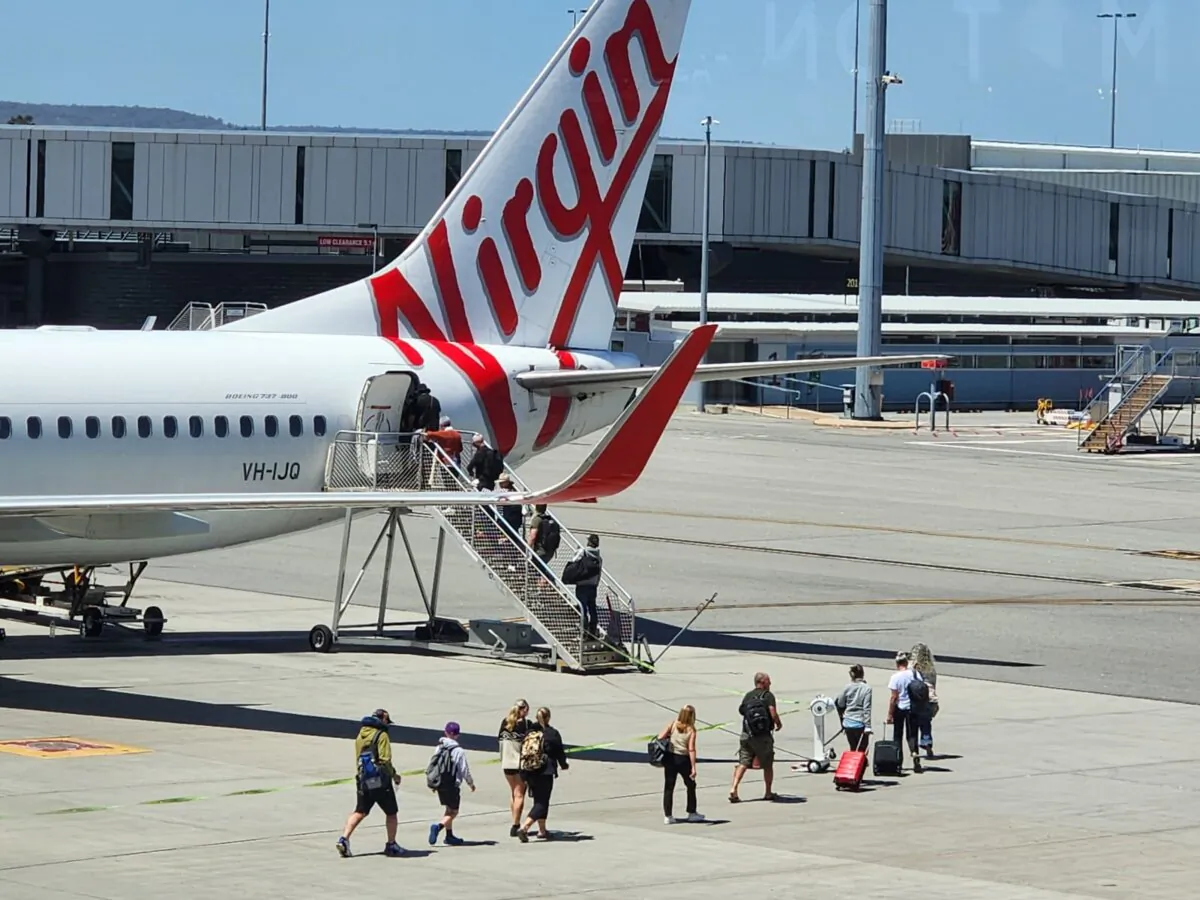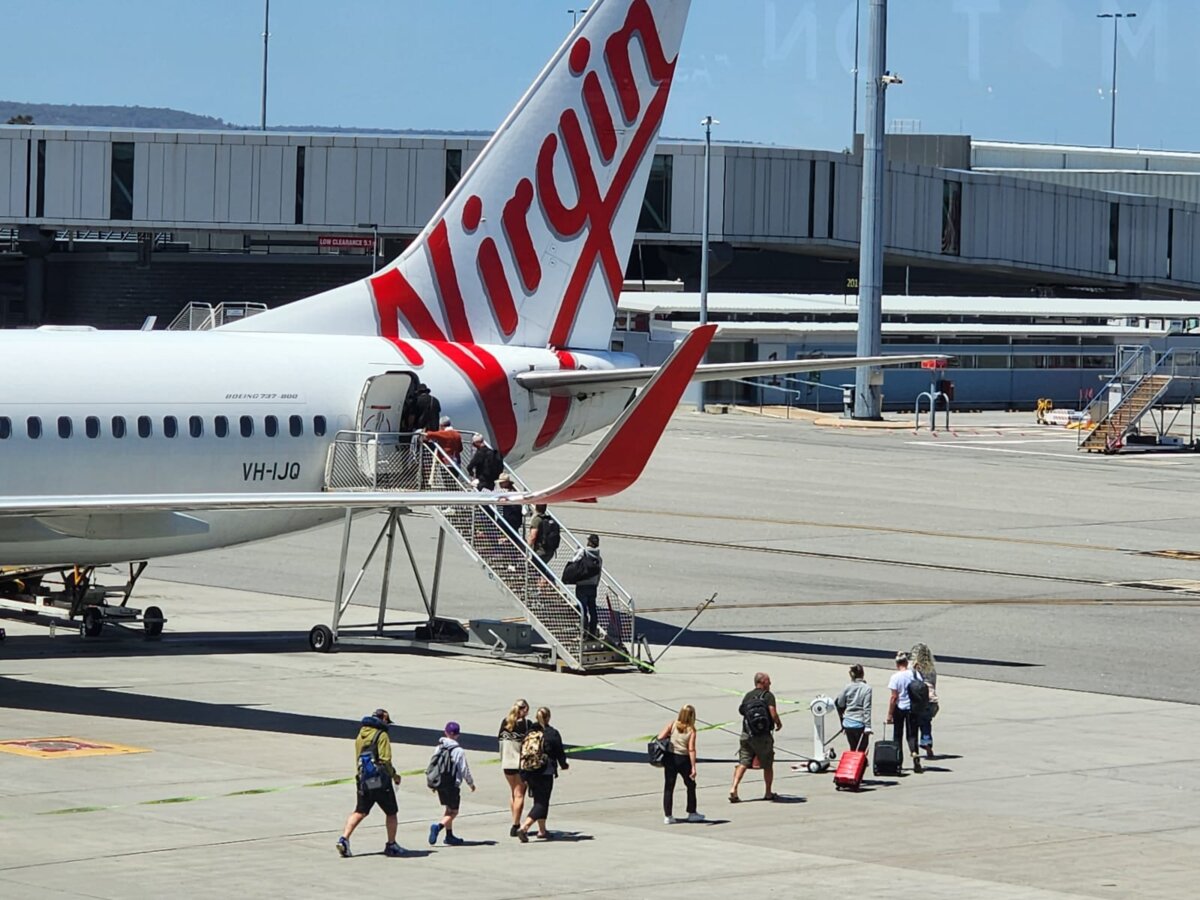

Australia’s second largest airline, Virgin Australia, will raise airfares in response to surging fuel costs linked to the Iran War.
The update from Virgin comes just a day after Australia’s flag carrier Qantas revealed it would be cutting domestic flights and increasing European routes.
On April 15, Virgin confirmed it had altered both ticket prices and capacity in response to higher operating costs. The airline did not specify which routes would be impacted.
“The price of jet fuel has been extremely volatile and has more than doubled since the end of February 2026 which impacts fuel costs for the June 2026 quarter,” the company said in an investor update (pdf) to the ASX.
The spike in fuel costs has added significant pressure to airline margins, forcing Virgin to rely on a combination of hedging, price adjustments, and cutting a small number of flights to absorb the shock. Hedging involves locking in the price of fuel in advance.
Virgin said fuel costs in the second half of the 2026 financial year would be $30 million to $40 million (US$21 million) higher compared to previous predictions.
“Virgin Australia’s fuel suppliers continue to provide assurances regarding the near-term supply of aviation fuel to support its operations well into May 2026.”
Virgin also confirmed it’s services to Doha via Qatar Airways would remain cancelled until mid-June.
Higher Fares on the Way
Virgin did not disclose the exact size of the fare increases.
However, the clearest evidence that the airline has lifted ticket prices comes from its updated guidance on revenue per available seat kilometre (RASK). This industry measure reveals how much an airline earns on average from each seat.
Virgin now expects RASK to increase by around 5 percent in the second half of the 2026 financial year, and 6 percent in the June quarter. This is a jump from earlier guidance of 3 to 4 percent.
Meanwhile, at the same time, the number of seats and flights is forecast to rise by only 1 percent and fall by 1 percent later in the June 2026 quarter.
With nearly no growth in the number of seats and a reduction in the June 2026 quarter, the higher revenue per seat means this extra revenue is likely coming from higher fares, not from more passengers or extra flights.
Qantas Cuts Domestic Flights
Virgin’s position comes after Qantas revealed it would cut domestic flights and redeploy U.S. flights to Paris and Rome instead. While Qantas said it would notify customers, it did not specify which domestic flights would be impacted.
Qantas said fuel costs remained volatile in its 2026 financial outlook update, noting that jet fuel prices have more than doubled since the onset of the Middle East conflict and continue to fluctuate sharply.
“Given the continued volatility in fuel prices and the global economic conditions, the group has reduced domestic capacity in 4Q26 by around 5 percentage points,” Qantas said.
 Friends Read Free
Copy
Facebook
Tweet
Friends Read Free
Copy
Facebook
Tweet