
The official voting period for the next leader of the BC Conservatives has ended, with 95 percent of those eligible casting a ballot.
Conservative Party of British Columbia executive director Angelo Isidorou posted the turnout results during a late night social media update on May 28.
“25,000 BC Conservatives have now voted. 95% turnout of eligible voters,” he said on X.
The seven-day voting process that began on May 23 officially wrapped up on May 29 at 8 a.m. local time, and the announcement of the winner will take place on the evening of May 30.
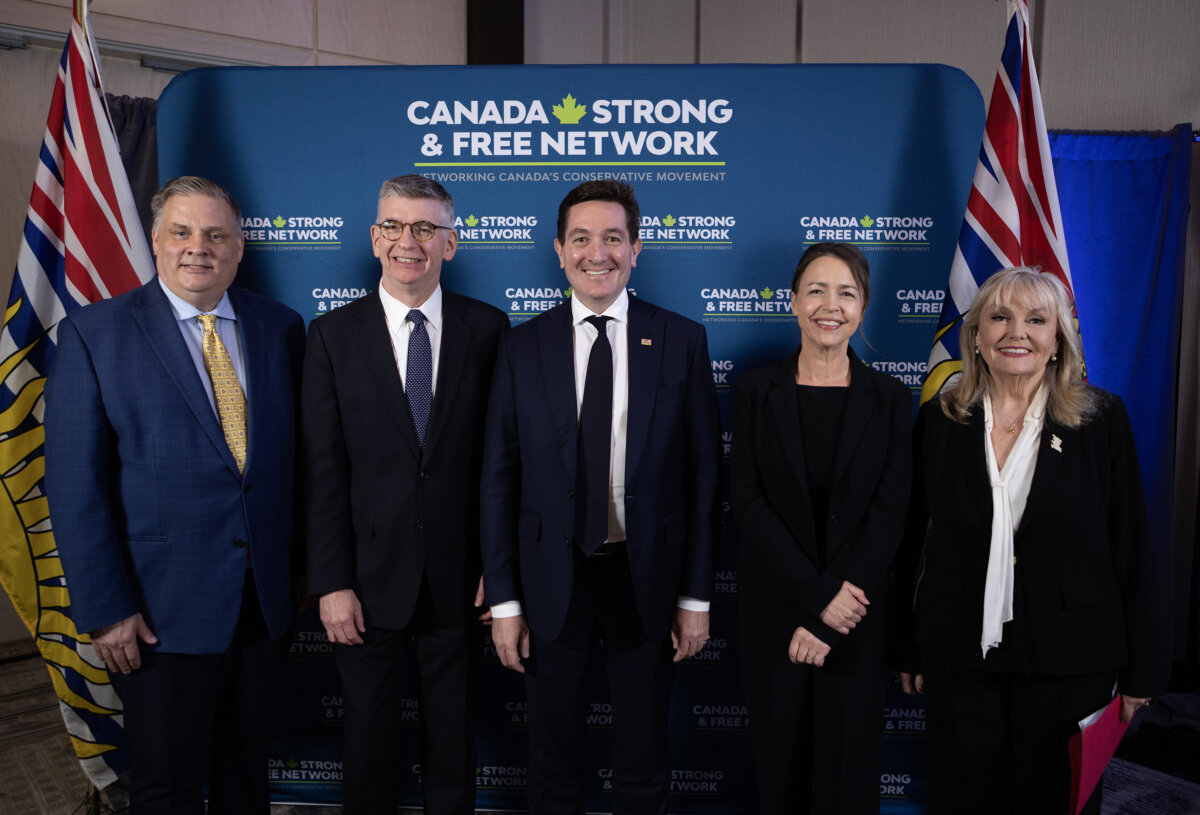
The candidates seeking to fill the spot left vacant by John Rustad’s resignation as Conservative leader last year are former B.C. Liberal cabinet minister Iain Black, commentator and think tank senior fellow Caroline Elliott, former federal MP Kerry-Lynne Findlay, businessman and philanthropist Yuri Fulmer, and current MLA Peter Milobar, who is now the only sitting legislator seeking the leadership of the official Opposition.
Lead-Up to Vote
The competition for leadership has been eventful, featuring debates, candidates stepping back to support other contenders, and an alleged investigation by the Office of the Commissioner of Canada Elections concerning one candidate’s unsuccessful attempt in the 2025 federal race.
A May 20 report by Business in Vancouver alleged Findlay was under investigation for several campaign violations during her unsuccessful run for re-election as an MP with the federal Conservatives last spring.
Findlay told reporters during a May 22 press conference that “the allegations are completely false and untrue,” adding that Elections Canada had yet to provide either formal or informal notice of an investigation.
The B.C. Conservatives’ leadership election organizing committee said in a May 22 social media post that Findlay failed to cooperate with the committee’s request for information about the alleged investigation, but noted that there was “not enough credible evidence” for her to be removed from the ballot.
Findlay’s campaign has alleged the rumours could be a ploy by another candidate to ruin her chances of victory.
The trail to the upcoming leadership announcement has also seen several candidates withdraw from the race in recent weeks, including Langley-Abbotsford MLA Harman Bhangu and former Save-on-Foods executive Darrell Jones, who both threw their support behind Elliott.
Meanwhile, contractor Warren Hamm and Abbotsford South MLA Bruce Banman removed their names from the running to endorse Fulmer.
Fulmer made an agreement with OneBC Leader Dallas Brodie to have a “unite the right accord” if he wins the leadership race.
The agreement stipulates that OneBC will not run candidates in 88 out of B.C.’s 93 ridings in return for the Conservatives agreeing to “clear the path” for OneBC in five targeted ridings, Fulmer and Brodie said in a March joint statement.
The accord did not specify which five ridings would see OneBC as the “standard-bearer” in the event of a Fulmer victory, but it indicated that a formal confidence-and-supply arrangement would exist between the two parties if they “collectively secure” a majority of seats in the legislature.
Fulmer, Findlay, and Elliott have been advocating for a greater emphasis to be placed on social conservative values, including opposition to B.C. NDP-backed approaches to gender identity policies, SOGI curriculum guidance, DEI initiatives, and broader social justice policies. Black and Milobar have said they support a big tent party focused on free market capitalism and civil libertarianism.
One topic all B.C. Conservative leadership candidates have agreed on is repealing B.C.’s Declaration on the Rights of Indigenous Peoples Act (DRIPA). The candidates have said it threatens certainty around private property rights in the province and puts a damper on investment and development in the province.
Ballot Tally
The BC Conservative Party is using an online preferential ranked ballot along with a weighted point system to select its next leader. This means members digitally rank the candidates in their order of preference from one to five.
If no candidate achieves the requisite majority—greater than 50 percent—of the province-wide points in the first tally, the candidate with the lowest point total will be removed from the race. The second-choice votes from the eliminated candidates will then be redistributed to the candidates still in contention.
This elimination and redistribution process continues in consecutive rounds until a single candidate exceeds the 50 percentage point threshold.
The party announced in April that its membership count had risen from 7,000 in December to 42,000 by the deadline of April 18 for new member registrations to participate in voting, but not all of the new sign-ups were eligible to cast a ballot.
The party required all new members to complete a secondary verification step to be fully eligible to cast their vote in the contest.
 Friends Read Free
Copy
Facebook
Tweet
Friends Read Free
Copy
Facebook
Tweet