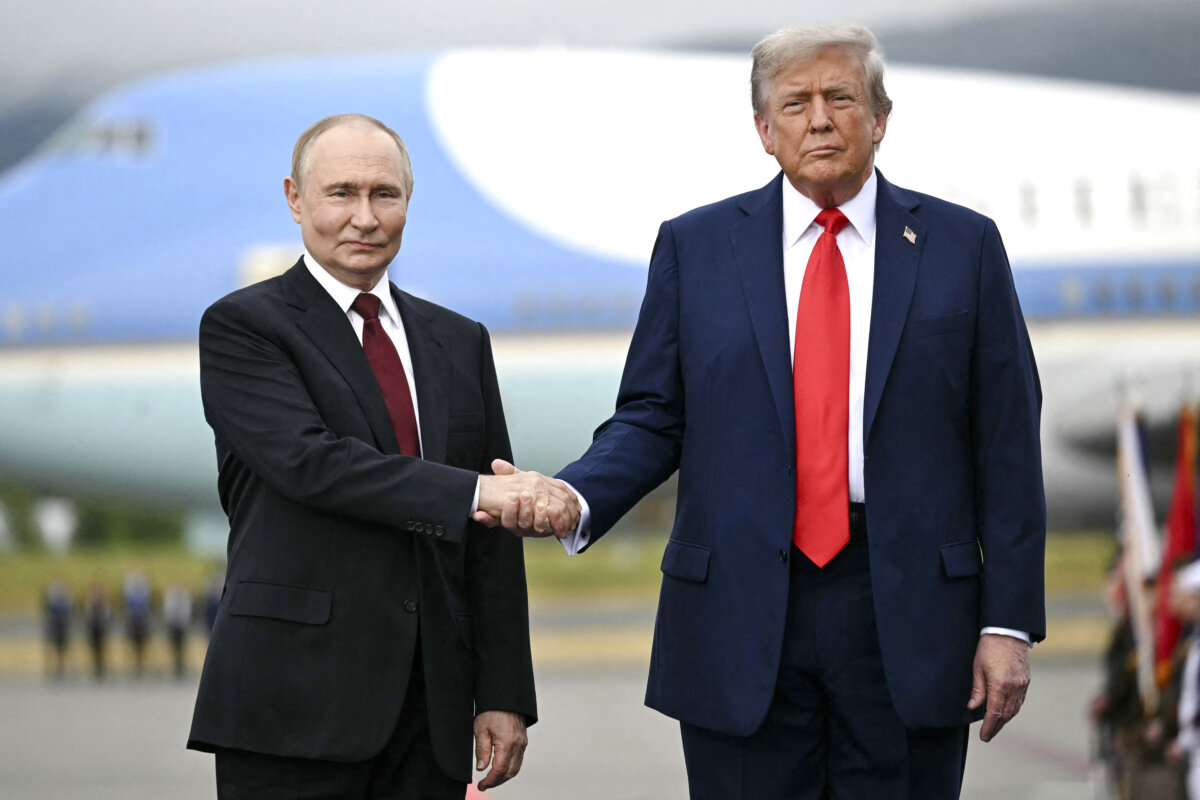

The New Strategic Arms Reduction Treaty (New START), the nuclear arms pact between Washington and Moscow, is set to expire next year. Signed in 2010, it caps deployed long-range weapons and allows inspections to ensure that both sides comply.
Without it, the two nuclear powers would face each other with no binding limits for the first time in decades.
Moscow has offered to extend the agreement, a proposal U.S. President Donald Trump has called a “good idea.” Russia has welcomed Trump’s remark, saying it “gives grounds for optimism.”
With the clock ticking toward the Feb. 5, 2026, deadline, here is what to know about New START, the hurdles to its renewal, and calls to bring in other nuclear powers.
Moscow’s Offer
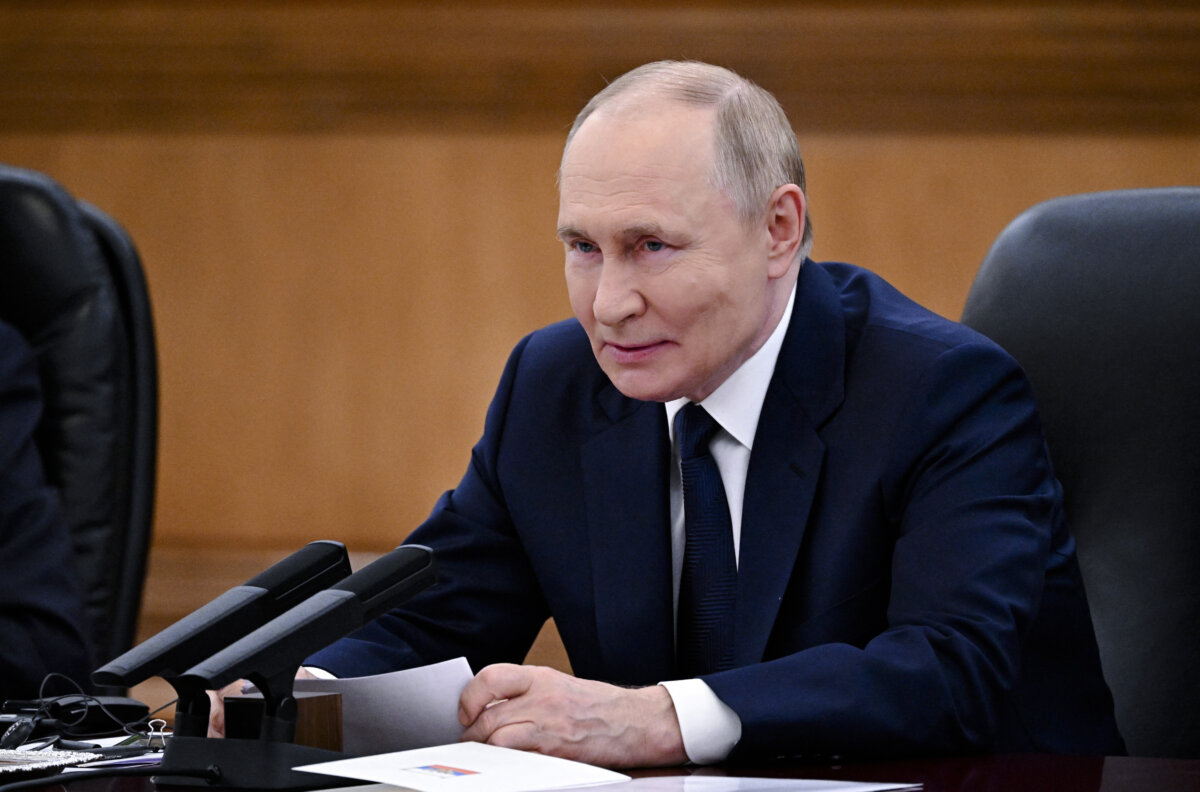
Russian President Vladimir Putin said on Sept. 22 that Russia is ready to keep following the treaty’s rules for nuclear weapons and launchers even after it expires.
He said an extension could make it easier to restart talks with the United States, if conditions are in place to resume dialogue and address major security disputes.
For now, Moscow’s plans after the extension remain unclear. Putin said the decision on whether to keep the limits will depend on a future assessment of the situation.
He also said Russia will stick to these commitments only if the United States avoids actions that could undermine or upset the existing balance of deterrence.
Why It Matters
The United States and Russia together hold nearly 90 percent of the world’s nuclear weapons.
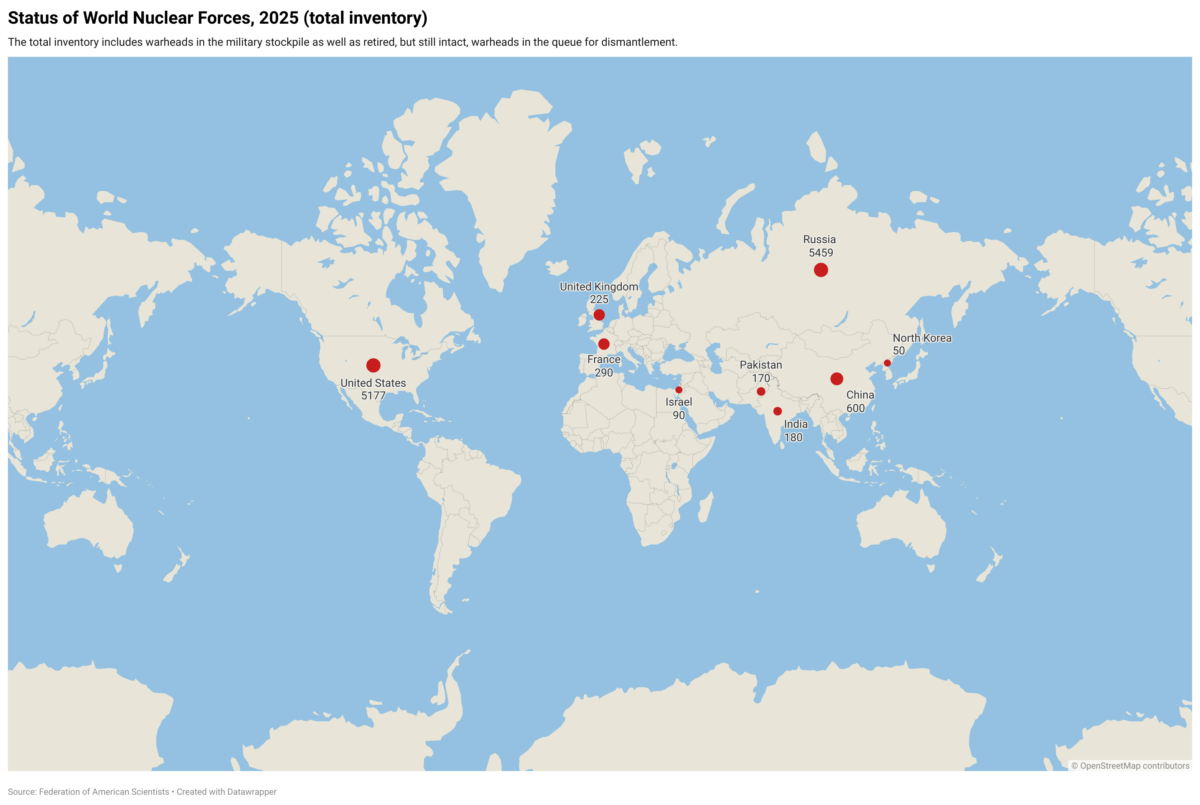
Russia has about 5,459 nuclear warheads and the United States has about 5,177, according to the Federation of American Scientists.
These totals include both active weapons and retired ones that have not yet been dismantled.
New START limits both countries to a set number of deployed long-range missiles and warheads. It also puts an overall cap on the number of launchers and heavy bombers they can have, whether they are deployed or not.
It also restricts Russia’s most powerful long-range weapons, including the Avangard and Sarmat missiles, which can reach the United States in about 30 minutes.
Although Russia has the ability to load far more warheads onto its missiles and bombers, the treaty prevents it from doing so.
Without New START, the United States would lose important insight into Russia’s nuclear forces.
According to the U.S. State Department, without the treaty’s verification measures, Washington would gradually have “less confidence” in its estimates of Russia’s arsenal and “less information” to guide decisions about U.S. nuclear capabilities.
Types of Nuclear Weapons
Arms control treaties such as New START often distinguish between deployed and nondeployed nuclear warheads.
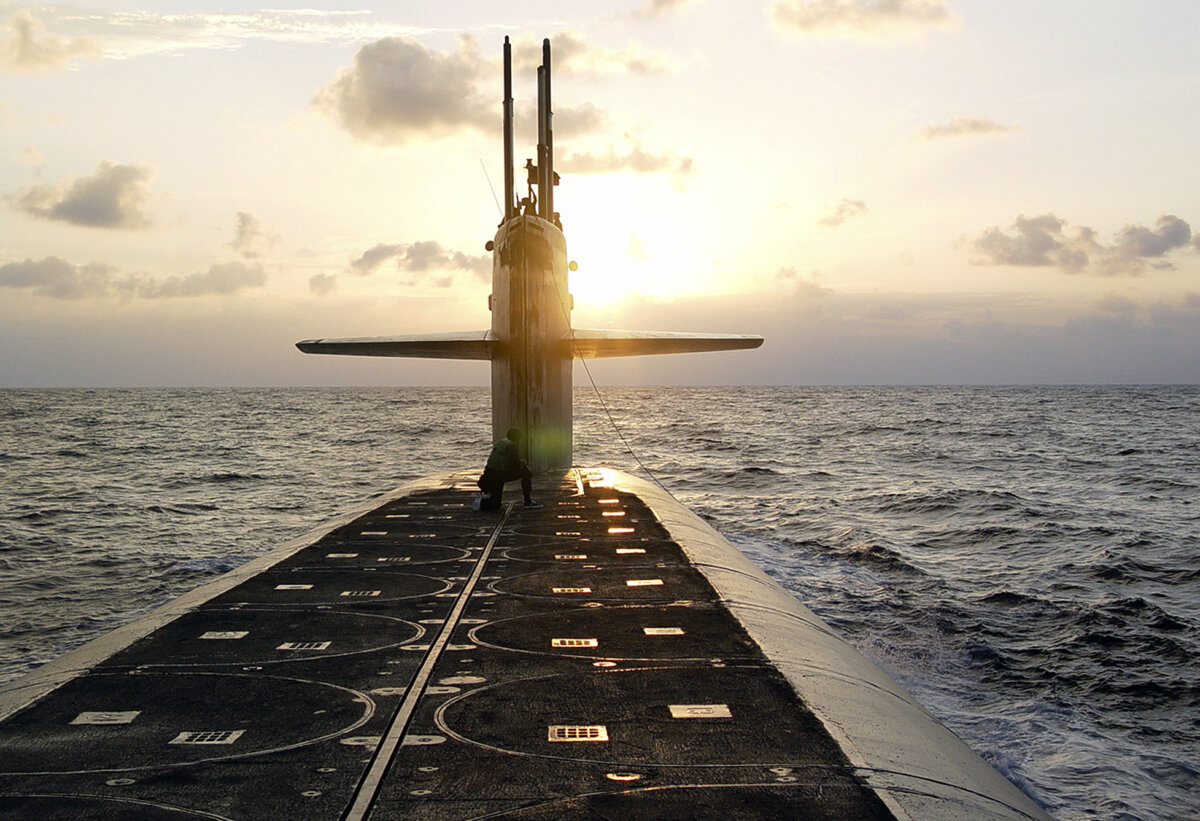
Deployed warheads are those already placed on delivery systems and ready for use, such as intercontinental ballistic missiles, submarine-launched ballistic missiles, or long-range bombers.
Nondeployed warheads, by contrast, are kept in reserve or awaiting dismantling and are not mounted on launchers.
Another key distinction is between strategic and tactical weapons.
Strategic weapons are long-range systems designed to strike across continents, such as from Russia to the United States, while tactical nuclear weapons are smaller, have a shorter range, and are intended for use on the battlefield.
New START caps each side at 700 deployed long-range missiles and bombers; 1,550 deployed nuclear warheads; and 800 total launchers and bombers, whether deployed or not.
Points of Contention
The treaty was extended for five years in 2021, shortly after U.S. President Joe Biden took office.
Verification has been central to the treaty, which requires on-site inspections and regular exchanges of data on nuclear forces.
In February 2023, Russia suspended its participation, saying it would continue to follow the treaty’s limits on deployed warheads and delivery systems, but without inspections or data sharing.
The United States considers the suspension “legally invalid.” U.S. countermeasures include withholding treaty data and blocking Russian inspections. The United States says it can restore full cooperation if Moscow chooses to do the same.
The U.S. State Department has also said that the war in Ukraine does not provide a valid basis for Russian noncompliance.
Push for a Multilateral Deal
Both sides have also brought up other countries.
Trump has shown interest in bringing China into talks on nuclear limits, while Moscow has said the weapons of the UK and France, both U.S. allies, must eventually be part of the discussion.
Since his first term, Trump has been calling for China to join the arms control process, warning that Beijing was rapidly expanding its arsenal.
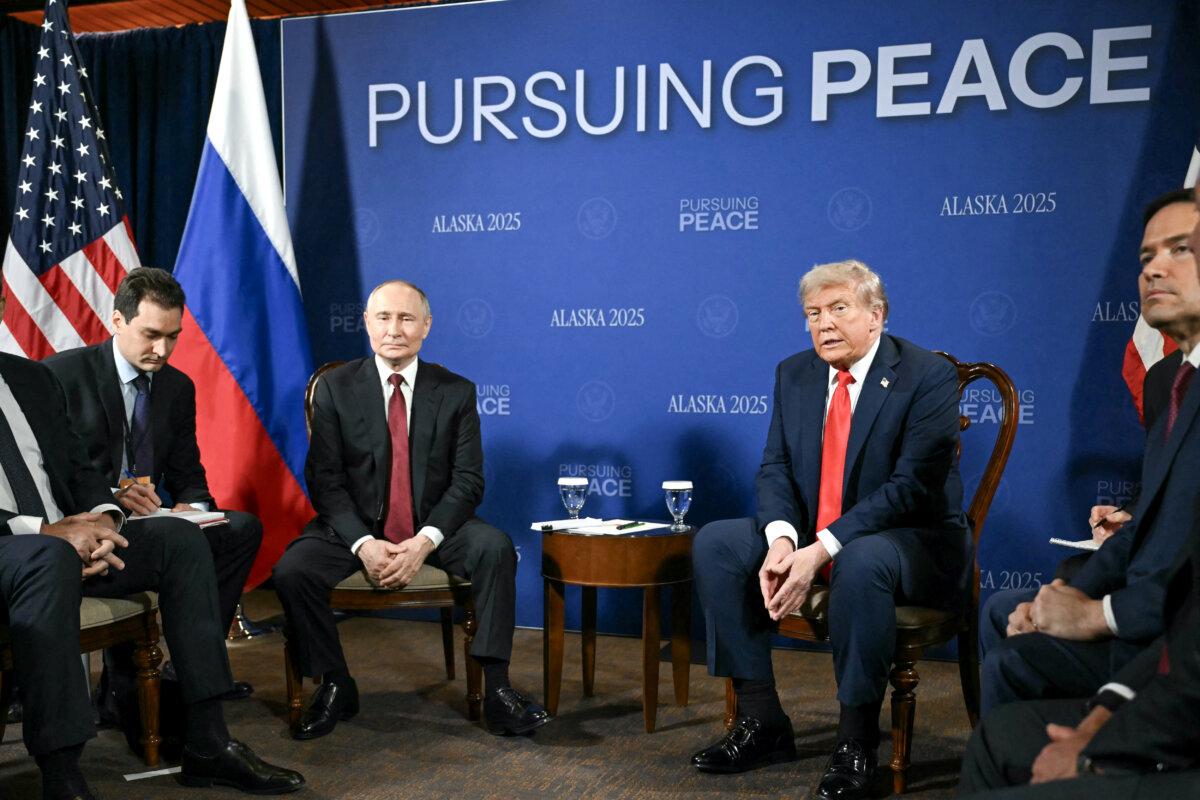
Trump also raised the subject in August, saying that he discussed nuclear arms control at his Aug. 15 summit with Putin in Alaska and that he wants China brought into the process.
China, which holds 600 nuclear warheads, has so far rejected the idea.
Moscow wants the UK and France to be brought into the conversation, taking into account their nuclear capabilities: 225 warheads in the UK and 290 in France.
The Kremlin maintains that New START negotiations should start at a bilateral level, but has said it will ultimately be impossible to exclude the UK and French arsenals.
 Friends Read Free
Copy
Facebook
Tweet
Friends Read Free
Copy
Facebook
Tweet