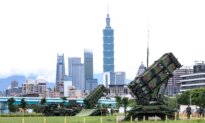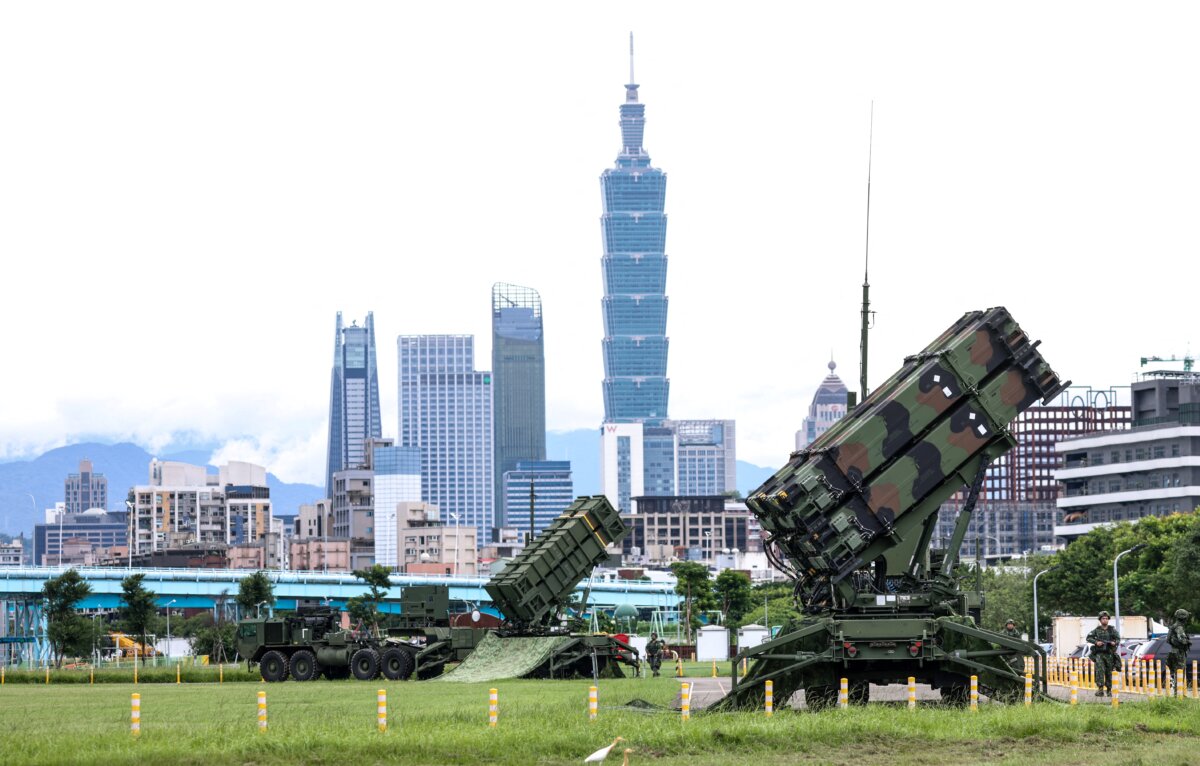

A delayed $14 billion U.S. arms sale to Taiwan has fueled questions about the extent to which U.S. inventories have been drained, and whether U.S. policy in the Indo-Pacific region is shifting.
There has been elevated global demand for U.S. arms in recent years, and orders already routinely take years to fulfill. News of the delay also came as President Donald Trump visited China, stoking speculation that he was shifting U.S. policy toward Taiwan in a larger play to advance relations with China.
At a Senate hearing on May 21, Acting Navy Secretary Hung Cao said the $14 billion arms sale to Taiwan was paused to ensure U.S. forces had enough munitions on hand for the ongoing armed standoff with Iran.
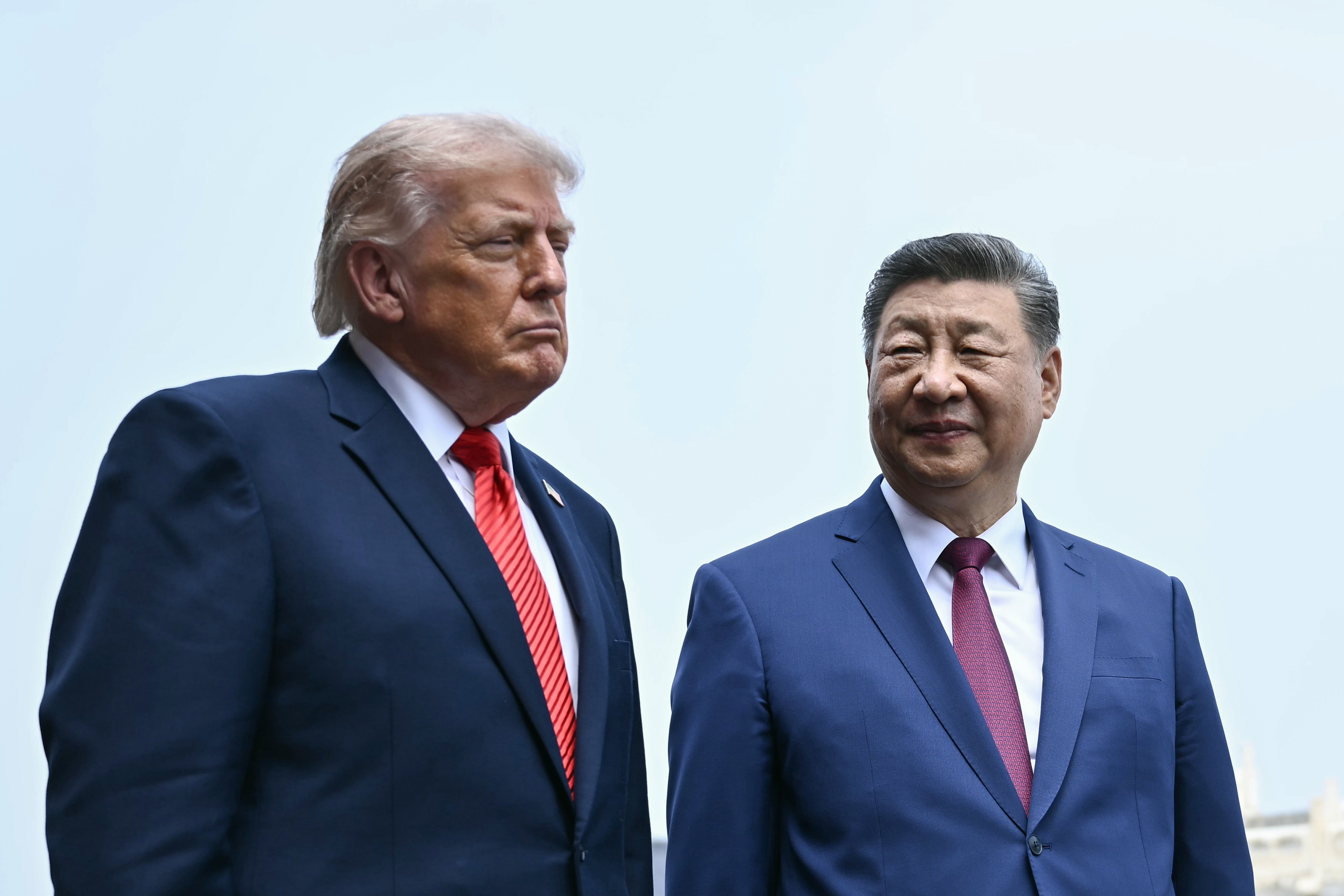
Cao’s announcement came just days after Trump concluded a visit to Beijing to meet with Chinese leader Xi Jinping.
While Taiwan has practiced de facto self-governance for decades, communist-led China asserts Taiwan is a part of its territory and hasn’t ruled out military action to seize control of the island.
In 1979, the U.S. government established formal diplomatic relations with communist China and acknowledged Beijing’s position that Taiwan is a Chinese territory. Still, the United States has maintained unofficial relations with Taiwan.
The United States has continued to supply weapons to Taiwan, but has always left it ambiguous whether Washington would intervene militarily to preserve Taiwan’s independence.
During his return flight from Beijing, Trump told reporters he spoke with Xi about the $14 billion U.S. arms sale to Taiwan. In a separate interview with Fox News, Trump said his decision to approve the arms sale “depends on China,” adding that the arms package represents a “very good negotiating chip for us.”
Taiwan Policy Unchanged, Rubio Says
The delayed arms sale to Taiwan was a focus for lawmakers as Secretary of State Marco Rubio appeared before multiple congressional panels this week.
At a Senate Foreign Relations Committee hearing on June 2, Sen. Jeff Merkley (D-Ore.) questioned Trump’s decision to discuss Taiwan arms sales with Xi, and noted a longstanding U.S. diplomatic assurance that the United States would not consult with China on any arms sales to Taiwan.
“There’s been no change to U.S. policy towards Taiwan,” Rubio answered.
Across multiple congressional hearings, Rubio repeatedly said the $14 billion arms package under review would represent the largest sale of U.S. arms to Taiwan in history.
Rubio said the Trump administration had already overseen the largest arms sale when it approved $11 billion in weapons transfers to Taiwan in December.
The December sale included $4 billion for M109A7 Paladin self-propelled howitzers, ammunition, and related equipment; $4 billion for M142 High Mobility Artillery Rocket Systems, ammunition, and equipment; $1 billion for tactical mission software equipment and support; $1 billion for loitering explosive drones and launchers; $375 million for Javelin anti-tank missiles and launchers; $353 million for TOW anti-tank missiles and launchers; $96 million for replacement parts for AH-1W SuperCobra attack helicopters, and $91 million for repair parts and support for Harpoon anti-ship missiles.
Rubio said the Trump administration approved the December arms sale despite clear objections from Beijing. He said Chinese forces ramped up aggressive military flights around Taiwan as a result.
Discussing the potential arms sale during a May 20 press conference, Taiwanese President Lai Ching-te said communications between Taipei and Washington remain open. Lai expressed hopes that U.S. arms sales to Taiwan would continue, calling such purchases “necessary to maintain peace and stability.”
Stockpile Status a Strategic Secret
In testimony before Congress on June 3, Rubio said there are a variety of reasons for the continued review of the $14 billion arms sale to Taiwan, beyond the U.S. diplomatic relationship with the island.
“It includes the availability of the stocks in the short term. We have to balance that with our own procurement process,” Rubio said.
U.S. officials have not specified which weapons Taiwan is seeking in this latest $14 billion purchase. The Pentagon declined to provide further details when The Epoch Times reached out for comment.
The U.S. military doesn’t publicly disclose the availability of its munitions to avoid telegraphing vulnerabilities to adversaries in a potential fight.
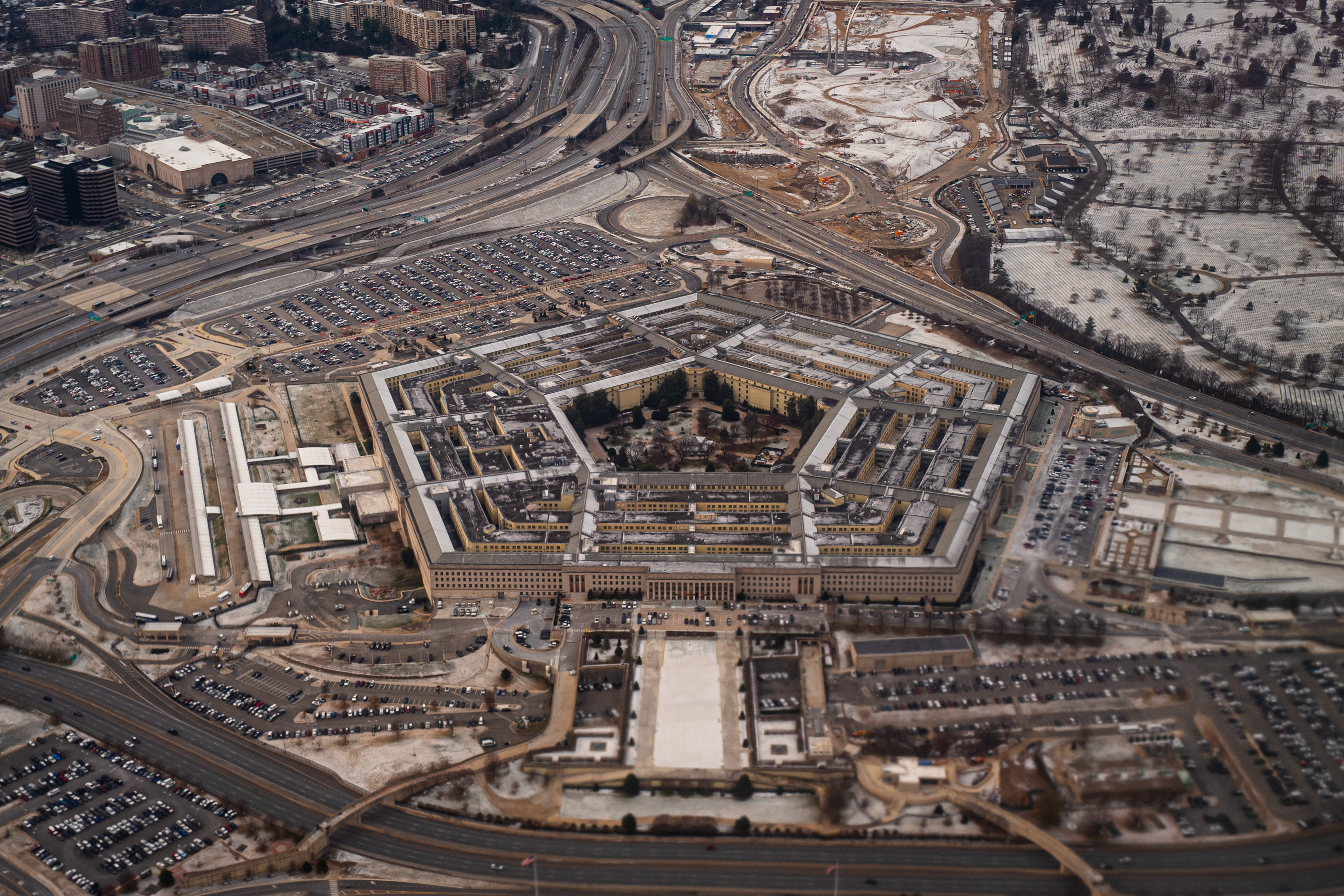
Though official details about U.S. weapons inventories remain sensitive, outside observers have attempted to make educated guesses about the status of such arms inventories by drawing on publicly available information.
In its latest assessment, the Center for Strategic and International Studies (CSIS) estimated it could take until mid-2029 to bring U.S. inventories of Patriot air defense missile systems back to the levels they were at before the Iran conflict.
Taiwan’s military is a current operator of the Patriot system.
Air defense systems have been in high demand lately. During his term, President Joe Biden invoked the presidential drawdown authority to pull Patriot systems and other military equipment from U.S. inventories to send to Ukraine.
Following a classified Pentagon briefing to Congress last month, Sen. Mark Kelly (D-Ariz.) told CBS News he was surprised to learn how deeply U.S. forces had drawn on its stockpiles of certain weapons systems—including missile interceptors—during the Iran conflict.
Secretary of War Pete Hegseth responded in an X post, by criticizing Kelly for “blabbing on TV (falsely & dumbly)” about the classified briefing. Hegseth said he had directed the Pentagon’s legal counsel to further review Kelly’s press comments.
During a May 12 House Appropriations Committee hearing, Hegseth faced questions about the Pentagon’s overall budget request for fiscal year 2027 and a potential supplemental funding request to address the costs of the conflict in Iran. During that hearing, Hegseth said that “the munitions issue has been foolishly and unhelpfully overstated.”
“We know exactly what we have. We have plenty of what we need,” Hegseth added.
Arms Orders Already Take Years to Fill
Even if the Trump administration were to approve the $14 billion arms sale to Taiwan, it could take years for those weapons to actually be delivered.
The Taiwan Security Monitor project at George Mason University—which tracks the status of U.S. arms deliveries to Taiwan—currently estimates that some $29.7 billion in approved arms sales have yet to be fulfilled.
According to the Taiwan Security Monitor, the U.S. government delivered the last batch in an order of 108 M1A2T Abrams Tanks to Taiwan in April. That order was originally announced to Congress in July 2019.
About a quarter of the cost of the current estimated Taiwan arms delivery backlog is attributable to the purchase of 66 F-16 fighter jets, which was approved in August 2019. At an April earnings call, producer Lockheed Martin announced those deliveries would resume following issues during earlier flight testing.
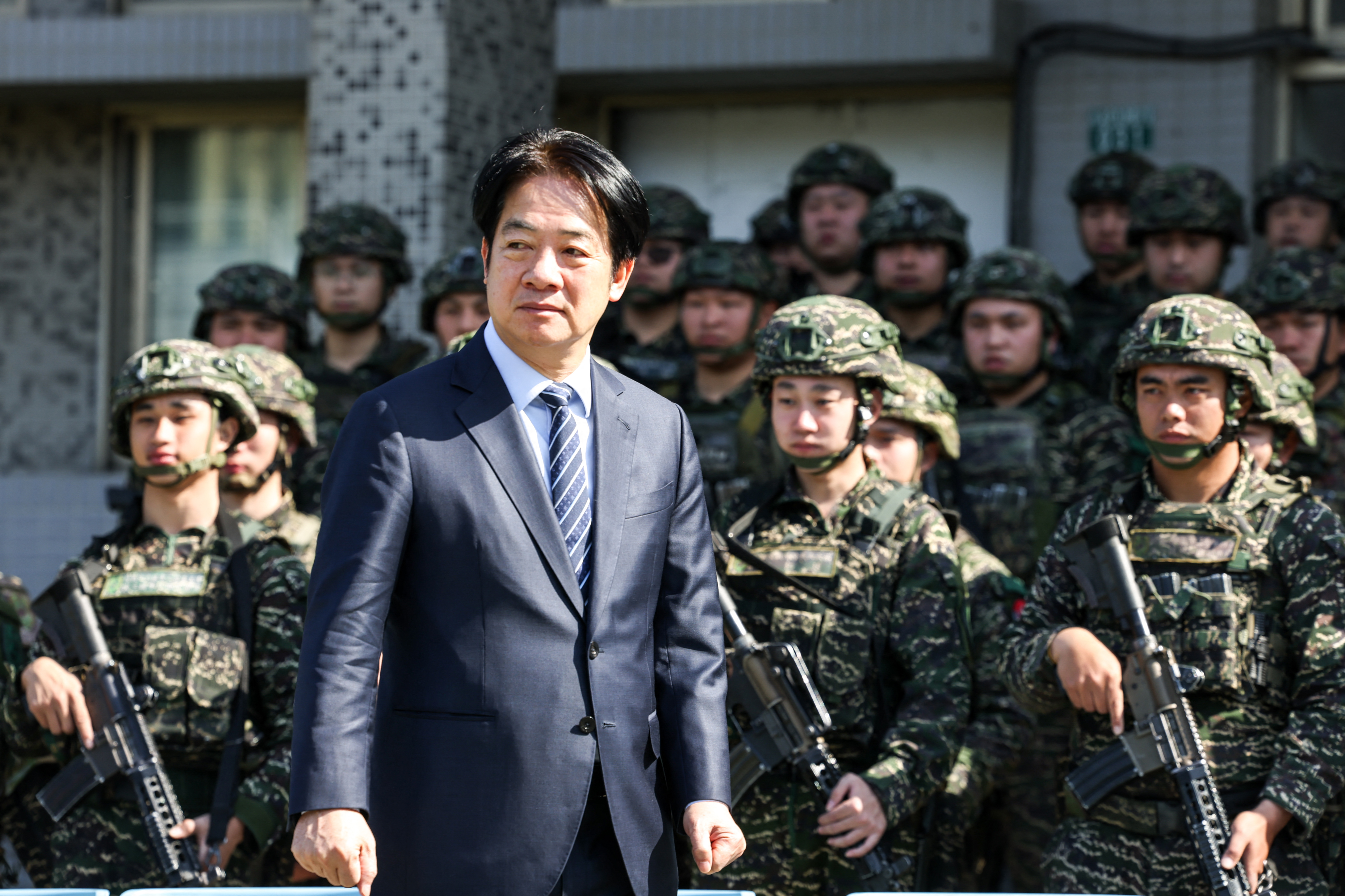
The Trump administration has announced efforts to boost arms production levels across the board.
In March, Trump announced he had met with some of the largest U.S. arms makers to finalize agreements to boost arms production levels on high-end missile defense systems like the Patriot. He indicated some arms makers would quadruple their current output.
Testifying before the Senate Armed Services Committee in April, Navy Adm. Samuel Paparo, the commander of the U.S. Indo-Pacific Command, said he expects it could take one to two years for U.S. arms makers to scale up production on high-end weapons systems.
“It won’t be soon enough,” Paparo said, adding that U.S. military planners should increasingly lean on new vendors in the arms business to develop new low-cost weapons to fill the production gaps for more exquisite systems.
Frank Fang and Reuters contributed to this report.
 Friends Read Free
Copy
Facebook
Tweet
Friends Read Free
Copy
Facebook
Tweet