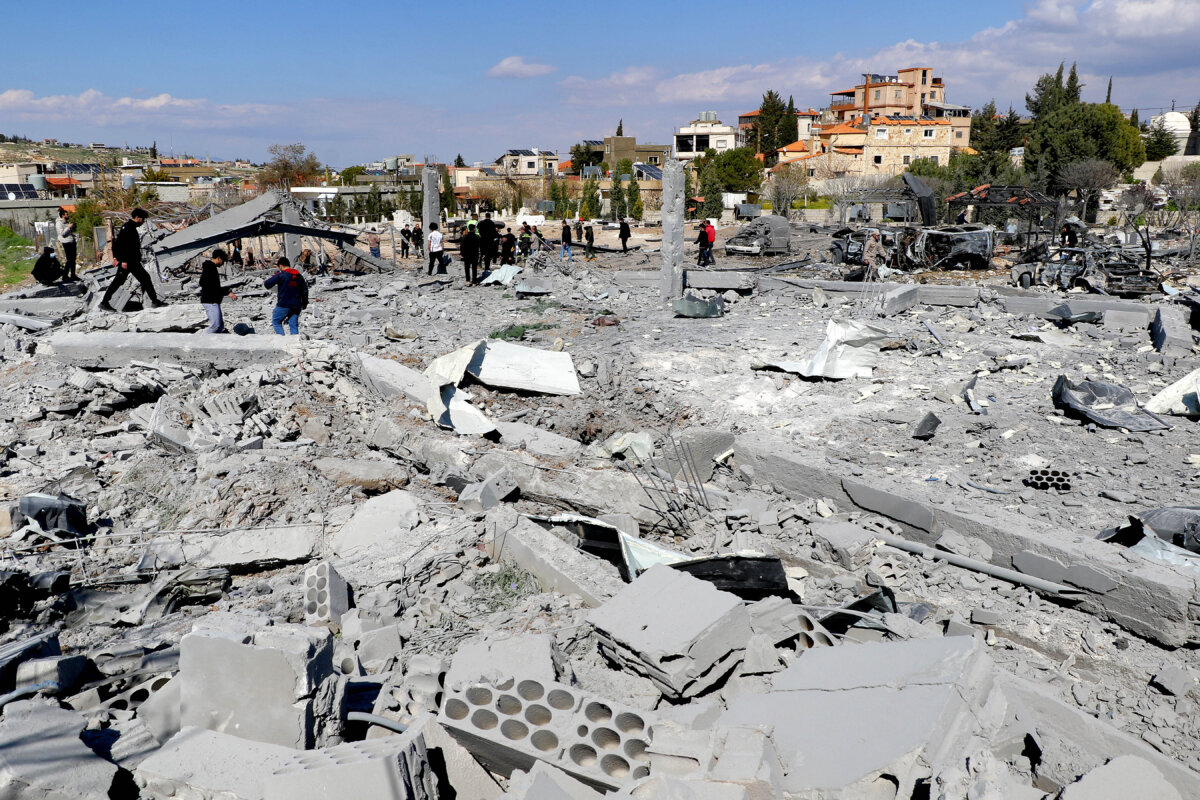
Israel on April 9 agreed to negotiate with the Lebanese government but continues to target Hezbollah-held pockets in the Bekaa Valley, saying its operations against the Iranian-backed militia are not included in the tentative two-week ceasefire negotiated less than two days prior by the Trump administration and Tehran.
That fragile truce—announced just after 7 p.m. ET April 7—appeared to be holding, despite reports from the United Arab Emirates and Kuwait of sporadic Iranian drone strikes.
With this in the background, a United States delegation led by Vice President JD Vance is set to meet for in-person talks with Iranian representatives in Islamabad starting on April 11.
Questions remain about what will be addressed during the Islamabad talks; the Trump administration has presented a 15-point plan—many of its components not publicly disclosed—and Iran has countered with an alleged 10-point plan roundly rejected by the United States as a nonstarter.
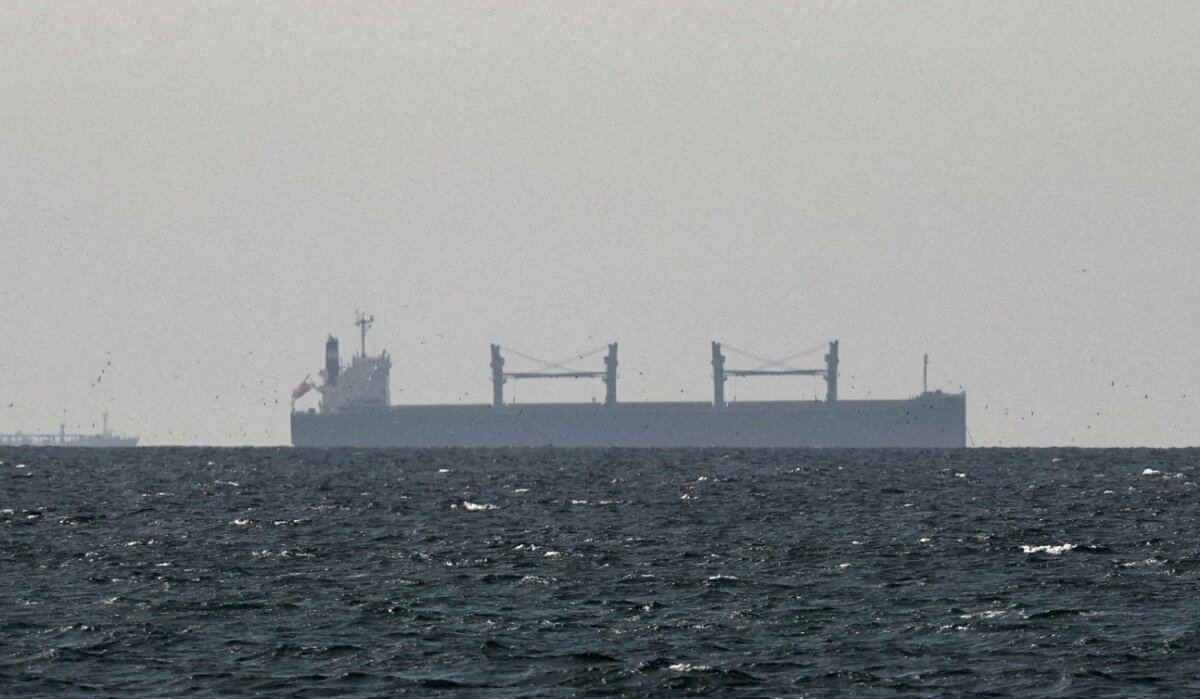
The status of the Strait of Hormuz raises other questions. Iran maintains that it has jurisdictional control. U.S. President Donald Trump has floated a proposal for joint U.S.–Iranian administration of the key waterway. The UK, among others, claims that such an arrangement is a violation of international maritime law.
Here is a roundup of key April 9 developments as of 5 p.m. ET.
Israel to Negotiate Lebanon Ceasefire
Israeli Prime Minister Benjamin Netanyahu said on April 9 that he has authorized direct negotiations with Lebanon “as soon as possible.”
A U.S. State Department official told the Epoch Times that those discussions will be staged next week in Washington.
Netanyahu’s statement followed a request for a ceasefire from Lebanese Prime Minister Nawaf Salam, who pledged to support efforts to disarm the Hezbollah terrorist group and demilitarize Beirut and the Bekaa Valley.
Israel’s Foreign Ministry said in a statement on X that since March 2, Hezbollah has fired more than 6,500 rockets at Israeli civilians without intervention from the U.N.
“UN Diplomacy failed,” the foreign ministry said. “When Israel targets terror infrastructure, it complains. … Enough talk. Act.”
Talks of a ceasefire with the Lebanese government, which has little direct control over Hezbollah, come a day after hundreds of Lebanese people were killed during the most intense Israeli strikes since Israel began its Operation Roaring Lion campaign against Hezbollah on Feb. 28, the same day it joined the United States in its Operation Epic Fury against Iran.
Iran has said that Israel must cease its attacks against Hezbollah as a condition of the two-week truce. The Trump administration maintains that the temporary pause in hostilities with Tehran does not restrain Israeli operations in Lebanon, leaving it to Netanyahu to negotiate whatever separate peace is acceptable to Israel.
Trump ‘Very Optimistic’
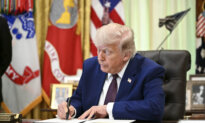
Trump told NBC News on April 9 that he is “very optimistic” about reaching a lasting peace deal with Tehran, as Vance and special envoys Steve Witkoff and Jared Kushner are set to begin negotiations with Iranian representatives on April 11 in Pakistan.
“[Iranian officials] talk much differently when you’re at a meeting than they do to the press. They’re much more reasonable,” Trump said. “They’re agreeing to all the things that they have to agree to. Remember, they’ve been conquered. They have no military.”
The president repeated his pledge to make it “very painful” for Iran if it doesn’t observe the ceasefire and “make a deal.”
A 10-point proposal attributed to Iranian Parliament Speaker Mohammad Bagher Ghalibaf claims that “the United States has, in principle, committed to” a series of key points that the Trump administration has rejected.
Trump described those 10 demands as propaganda for internal circulation and said they are not what will be on the table during negotiations.
In brief, those alleged 10 points include “an American guarantee of nonaggression with Iran”; that Iran maintain control of the Strait of Hormuz; an end to “the regional war on all fronts,” including against Hezbollah in Lebanon; withdrawal of U.S. combat forces from all bases and positions in the region; reparations for war damages; acceptance of Iran’s right to nuclear enrichment; the lifting of all primary and secondary sanctions on Iran; termination of all resolutions against Iran by the International Atomic Energy Agency; and termination of all United Nations Security Council resolutions against Iran.

Strait Balk
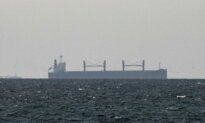
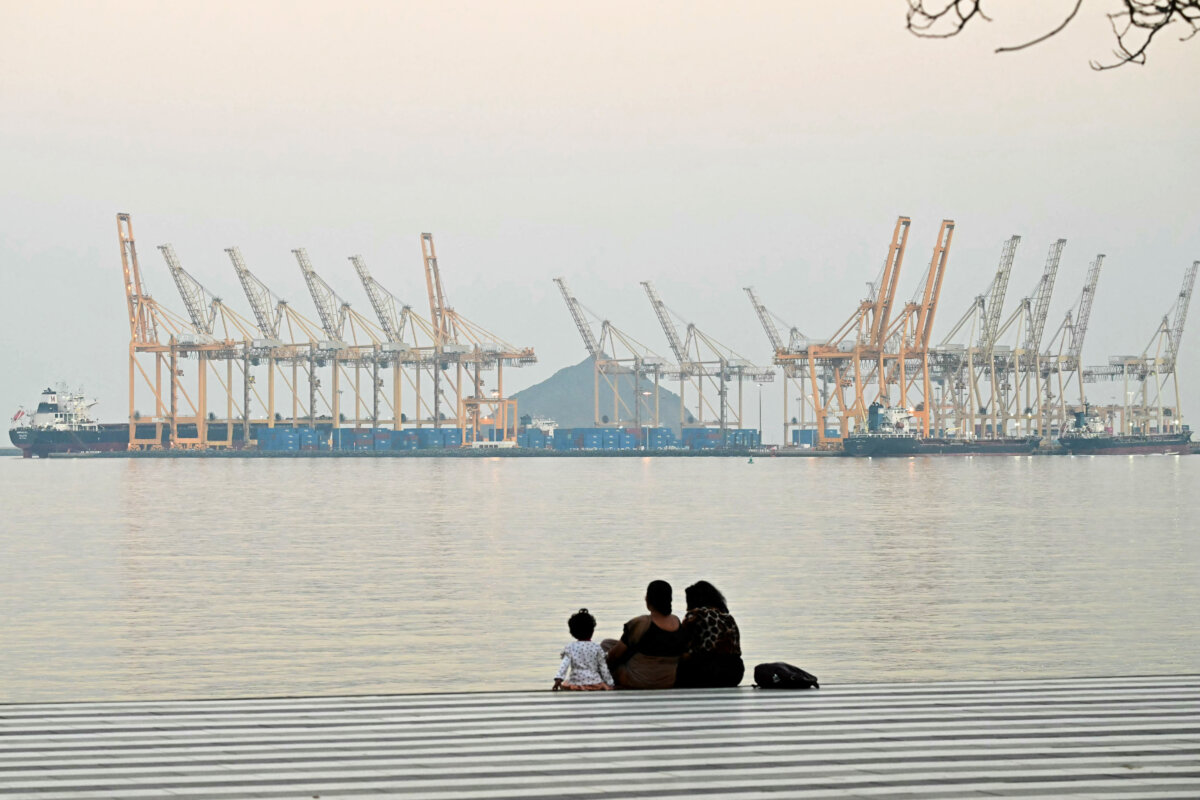
How to negotiate an end to Iran’s de facto control of the Strait of Hormuz remains a sticking point in negotiations set to begin in Pakistan and in debate among global shipping companies and leaders worldwide.
The United States says access to the Persian Gulf through the 104-mile-long, 21-mile-wide waterway between Oman and Iran is nonnegotiable, but in comments Trump has made since declaring the two-week ceasefire, it appears that may be an elastic demand.
Trump told ABC on April 8 that he may settle for a “joint venture” with Iran to ensure that traffic can safely transit the strait.
“We’re thinking of doing it as a joint venture. It’s a way of securing it—also securing it from lots of other people,” he said, calling such an arrangement a “beautiful thing.”
NATO members, especially the UK, have raised objections to such an arrangement.
NATO Secretary-General Mark Rutte on April 9 said Iran has no right to claim jurisdiction over the strait and cited the U.N. Convention on the Law of the Sea, which established a legal framework for how nations can use international waters and maritime routes.
“We have to bring together a coalition of countries which is able collectively to make sure that the principle of free shipping or free travel on our seas … is upheld,” he said.
British Foreign Secretary Yvette Cooper told BBC Radio on April 9 that freedom of navigation principles still apply to the strait based on international maritime law.
“Countries cannot simply hijack those kinds of international transit routes and unilaterally apply tolls,” she said. “They cannot do that as part of the laws of the sea and the United Nations arrangements that are in place.”
War Powers Vote Nixed
During an April 9 House “pro forma session,” Rep. Glenn Ivey (D-Md.) asked for unanimous consent to pass a war powers resolution to restrict Trump’s unilateral military actions in Iran.
Rep. Chris Smith (R-N.J.), the lead Republican in the largely empty chamber, quickly “gaveled out” the informal session, preventing a vote, as Democrats shouted, “Shame!”
It was the fourth failed attempt by Democrats to introduce a resolution asserting congressional authority in approving military action.
“It’s time for Congress to step in and take control of the wheel,” Ivey said in a press conference following the session.
When asked by The Epoch Times how he would reopen the Strait of Hormuz without additional U.S. military commitments in the area, Ivey said, “I’m not sure at this point.”
He said that Congress had been told very little amid the conflict.
Congress is in a two-week spring recess that ends next week; the Senate is set to meet on April 13 and the House on April 14. Informal “pro forma” sessions are staged every three days during recesses so that the chambers are not considered in adjournment. House Democrats are expected to again call for a war powers vote on April 14.
 Friends Read Free
Copy
Facebook
Tweet
Friends Read Free
Copy
Facebook
Tweet