
The World Health Organization (WHO) said on May 28 that experts have identified vaccine candidates and treatments for the Bundibugyo strain of Ebola that could be prioritized for clinical trials.
In a statement, the WHO said it has convened experts and advisory groups to assess potential vaccines and treatments for the Bundibugyo virus in response to the outbreak in Congo.
Among the candidates identified is a single-dose vaccine, rVSV Bundibugyo, developed by the International AIDS Vaccine Initiative, which experts assessed as the “most promising.”
But the vaccine will likely require another seven to nine months before it is ready for clinical trials, according to the WHO.
Another candidate, ChAdOx1 Bundibugyo, developed by Oxford University and the Serum Institute of India, may be available for clinical testing within two to three months, but additional animal study data are still needed before it can be prioritized for testing, the agency said.
Experts indicated that a single-dose approach of this vaccine could be used for contacts of Ebola cases, while a two-dose approach may be appropriate for high-risk groups that were not exposed to the virus, such as frontline responders, according to the WHO.
The WHO said experts also reviewed the potential use of Ervebo, the only licensed Ebola vaccine developed by pharmaceutical company Merck.
The vaccine is approved for use during outbreaks caused by the common Ebola virus in Africa but is not licensed for protection against the rare Bundibugyo strain, according to the agency.
The WHO said it does not recommend using Ervebo outside of research settings, as evidence on its ability to protect against other Ebola strains remains limited and inconclusive.
For treatment, the WHO said experts recommended prioritizing the monoclonal antibodies MBP134 (developed by Mapp Biopharmaceutical) and Maftivimab (developed by Regeneron Pharmaceuticals), as well as Gilead Sciences’ antiviral drug remdesivir in clinical trials.
Experts also recommended evaluating a combination of a monoclonal antibody and remdesivir as a potential treatment for the Bundibugyo strain, according to the agency.
The WHO noted that it is working closely with the governments of Congo and Uganda “to facilitate the implementation of research evaluation of these products.”
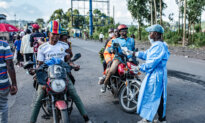
The Bundibugyo strain, a form of Ebola that can be transmitted between humans, has caused the outbreak in Congo. There are currently no approved vaccines or treatments for the virus.
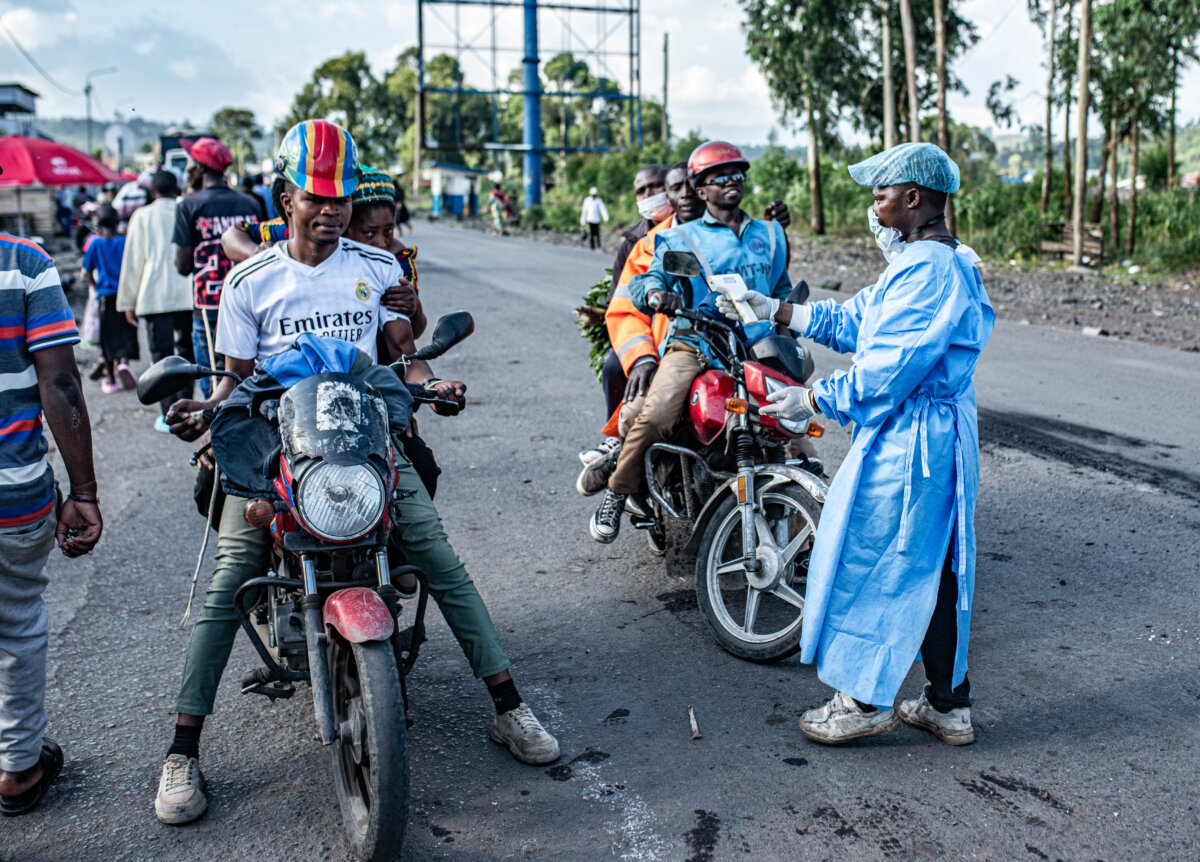
Congo has reported at least 121 confirmed cases linked to the outbreak, including 17 confirmed deaths. There are also 1,077 suspected cases and 246 suspected deaths, according to the Centers for Disease Control and Prevention.
Seven confirmed cases have been reported in Uganda, including one death. The CDC said one American who cared for patients in Congo tested positive for the virus and was transported to Germany for treatment.
Ebola is caused by infection with an orthoebolavirus and spreads through contact with the blood or bodily fluids of infected people, according to the WHO. The Bundibugyo strain previously caused outbreaks in Uganda in 2007 and in Congo in 2012.
Early symptoms of the virus can include fever, fatigue, muscle pain, headache, and sore throat. These may later progress to vomiting, diarrhea, abdominal pain, and impaired kidney and liver functions.
 Friends Read Free
Copy
Facebook
Tweet
Friends Read Free
Copy
Facebook
Tweet