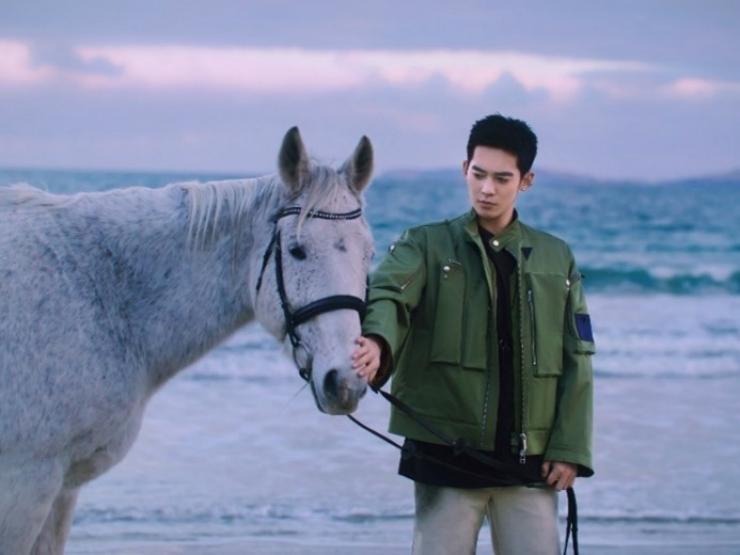

A young Chinese male actor is once again the face of Tourism Australia.
On July 12, the first day of Prime Minister Anthony Albanese’s six-day trip to China, the Australian leader was pushing hard to increase the volume of Chinese tourists travelling down under.
A day later, Tourism Australia signed a memorandum of understanding with Chinese travel giant Trip.com to promote Australia as a must-visit destination.
“Our message here in Shanghai and throughout China is come and say ‘g’day’ to us Down Under,” the prime minister told reporters in Shanghai, the headquarters of Trip.com.
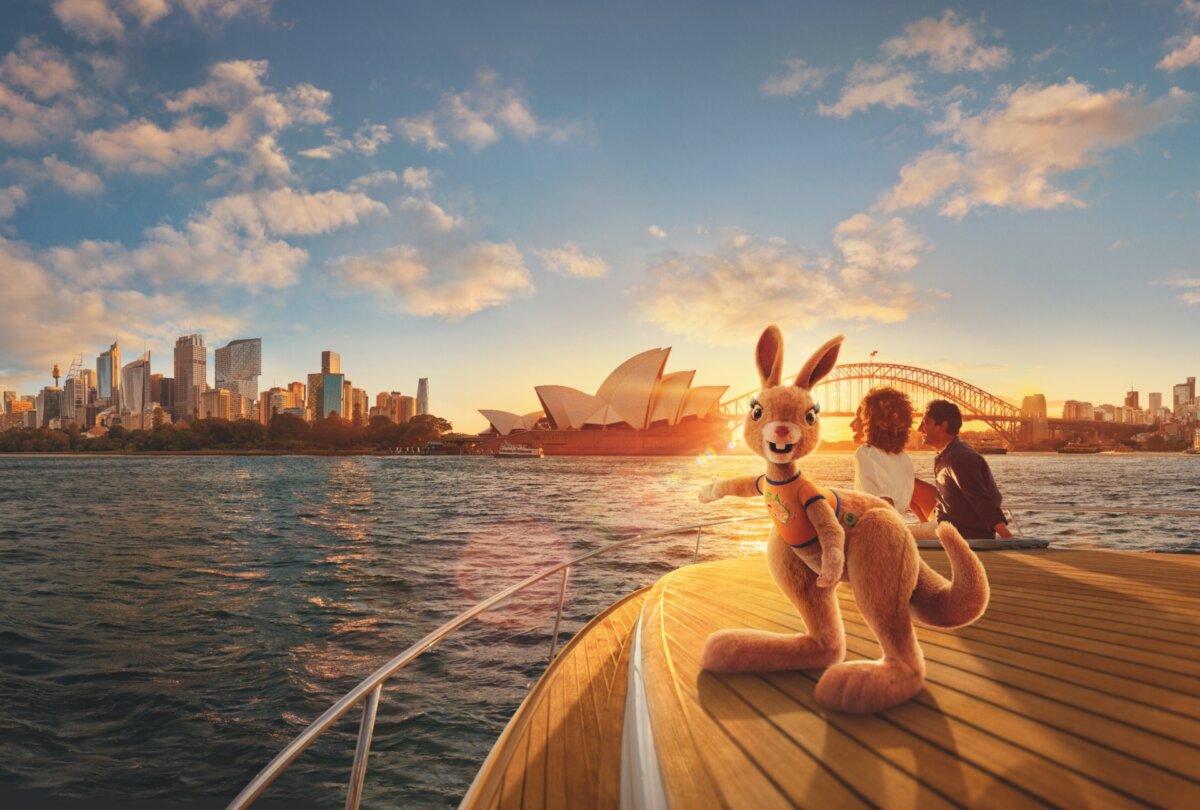
The deal was announced alongside the launch of a new tourism ad campaign featuring Ruby the Roo, a Mandarin-speaking kangaroo and Yu Shi, a popular actor in China.
Who Is Yu?
Yu, also known by his Mongolian name Ashan, is a Chinese actor and singer-songwriter born in 1996 in the northeastern Liaoning Province.
The young man gained widespread recognition for his portrayal of historical figure Ji Fa in the 2023 epic fantasy film “Creation of the Gods I: Kingdom of Storms,” adapted from the classic 16th-century novel “The Investiture of the Gods.”
The role also earned him the Best Newcomer award at the 37th Hundred Flowers Awards.
The first collaboration between Yu and Tourism Australia began in 2024, when he was selected to represent the organisation.
In June 2024, Yu visited Tasmania, where he tasted the classic flat white, ate lobsters, rode a white horse at the beach, played with local wild animals, and learned to say “Good day.”
“This is the end of the world, peaceful and beautiful, giving people the power of tranquillity,” he said. “Every corner of Tasmania felt like an unfinished story, inspiring me to move forward and discover more beauty and emotional moments in this world.”

In January, Tourism Australia released another report detailing Yu’s visit to Queensland. This time, the Chinese star observed Koalas feeding on eucalyptus leaves, surfed on the Gold Coast, and dived in the Great Barrier Reef.
“Diving into the Great Barrier Reef is not only a wonderful journey of communicating with marine life, but also a chance to temporarily escape the noise of the shore. With only the sound of the ocean in my ears, it feels as if I am becoming one with the vast sea. This is a unique experience of returning to myself,” he said.
Tourism Australia)
The new “Come and Say G’Day” ad campaign, featuring Yu Shi and Ruby the Roo, is expected to launch in August, primarily targeting the Chinese market, integrating advertising push, city billboards, and travel packages.
Chinese Tourism to Australia Yet to Recover
The prime minister’s visit marks Yu’s second collaboration with Tourism Australia, as Chinese tourist numbers struggle to return to their pre-pandemic level.
“Numbers are significantly lower. However, the spend per trip is strong,” hospitality industry expert Janene Wardrop told The Epoch Times.
“The profile of the Chinese traveller is younger and more affluent, with a preference for staying longer and having meaningful experiences than in the past of quick trips and trying to see and do too much with no connection.”
Wardrop noted that smaller cities are becoming increasingly popular.
“Gen Z, luxury travellers and families are leading the shift with an increase in rising middle classes travelling to these regions as they offer better value experiences than the standard Eastern Seaboard of Melbourne/Sydney/Gold Coast,” she said.
“Self-funding travellers are seeking a slow travel experience in regional Australia with niche experiences which these cities and locations offer. Areas of growth have been identified as Gen Z and Millennials as well as multi-generational family groups and luxury and wellness travellers.”
Over-Reliance on China Market Cautioned
The tourism expert also cautions against over-relying on the Chinese market and recommends diversification to protect against any future risks.
“China’s slowing economic growth, youth unemployment, and property sector instability could hinder outbound travel demand. A weaker yuan may reduce international travel spend,” said Wardrop.
“Priority should be on quality over quantity and attract high-yield, low-impact travellers.”
 Friends Read Free
Copy
Facebook
Tweet
Friends Read Free
Copy
Facebook
Tweet