
World leaders have broadly welcomed the announcement of a ceasefire agreement between the United States and Iran, urging both countries to turn the breakthrough into a permanent peace settlement.
The deal was first announced by Pakistani Prime Minister Shehbaz Sharif.
“Both sides have declared the immediate and permanent termination of military operations on all fronts, including in Lebanon,” he said in a June 14 post on X. “The official signing ceremony will be on Friday, 19 June in Switzerland.”
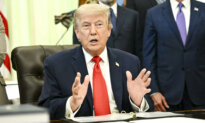
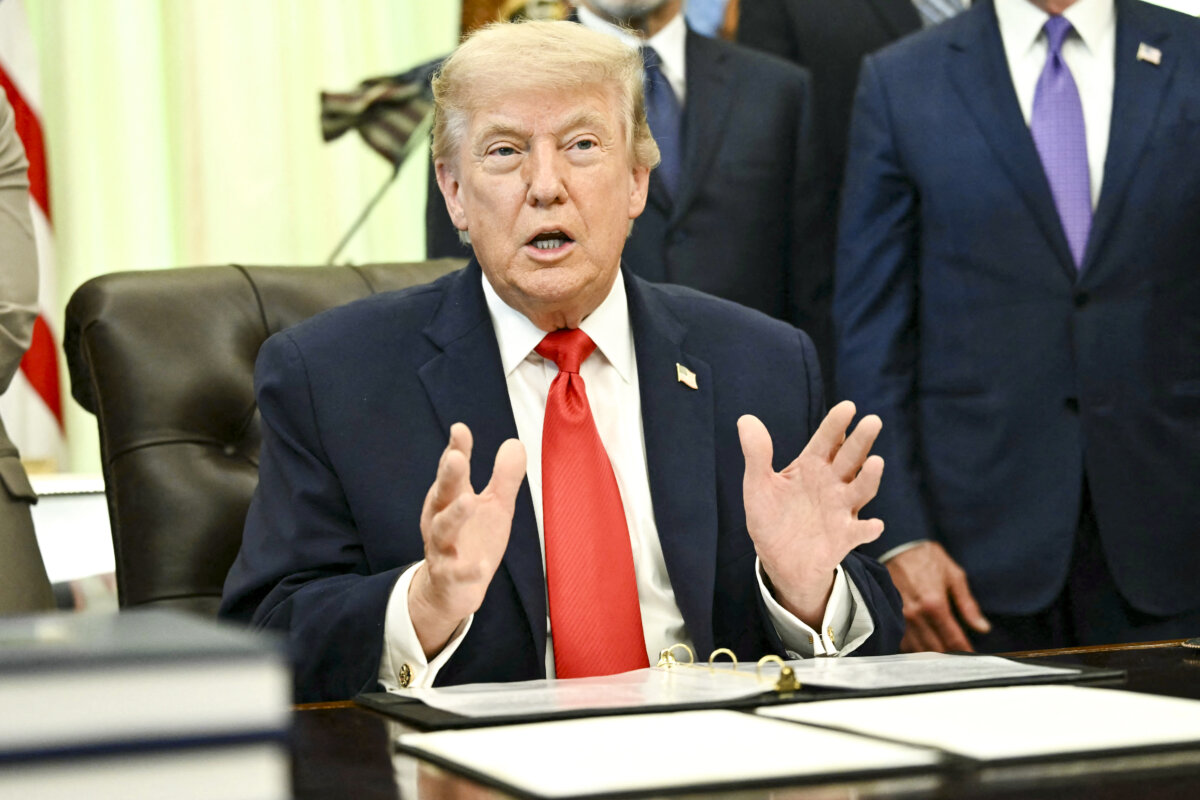
In a June 14 post on Truth Social, Trump said the deal with Iran is now complete.
The agreement does not formally include Israel as a signatory, although it envisages a broader regional de-escalation affecting Israel’s conflicts with Iran-backed groups.
Israeli Minister of National Security Itamar Ben-Gvir said in a June 15 post on X that Trump’s deal does not bind the country.
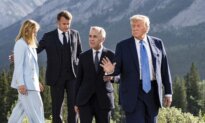
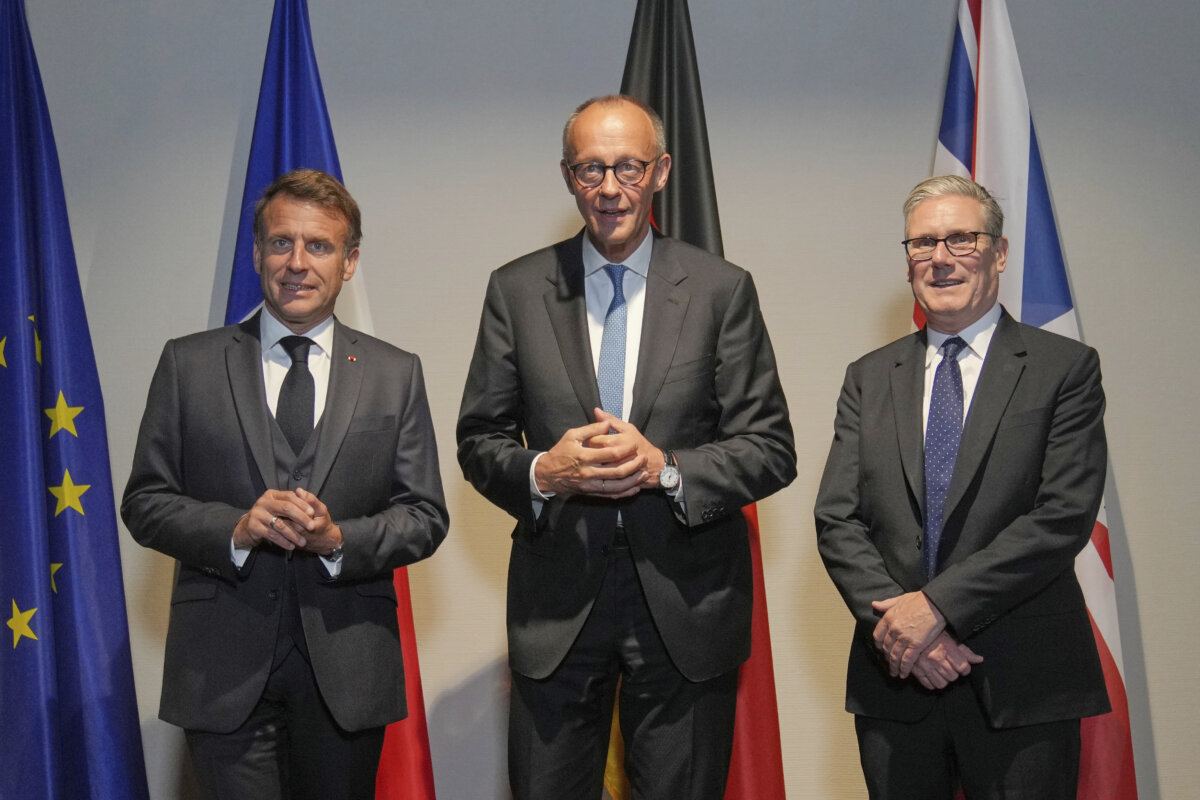
A joint statement from the leaders of the UK, France, Germany, and Italy, sometimes known as the E4 countries, and also signed by Japan, Canada, and Australia, welcomed the deal, calling it “a moment of opportunity to restore regional stability and stabilise the global economy.”
The seven leaders said, “Iran must never acquire a nuclear weapon. We stand ready to work with the US, Iran and the IAEA to this end.”
Australian Prime Minister Anthony Albanese welcomed the agreement in a statement, which said his government has “long called for de-escalation and an end to the conflict, including in Lebanon.
“The longer this war goes on, the greater the impact will be,” he said, adding that “continued restraint and constructive engagement” will be needed to prevent further escalation and secure a lasting agreement.
British Prime Minister Keir Starmer said in a statement posted to X that it was “a hugely important step forward in ending the war, ensuring regional stability and re-opening the Strait of Hormuz.”
He congratulated Trump and mediators from Pakistan, Qatar, and elsewhere for their role in the breakthrough.
Writing on X, French President Emmanuel Macron called for the “swift and full implementation by all belligerents.”
German Chancellor Friedrich Merz congratulated both Trump and the Iranian officials on the diplomatic breakthrough, adding that he hoped it might “pave the way towards a reinvigorated global economy and a more secure Middle East.”
Italian Prime Minister Giorgia Meloni said her country was ready “to contribute to an international naval presence to support the full reopening of the Strait of Hormuz.”
Meloni also called for hostilities in Lebanon, with whom Italy shares deep cultural and economic ties, to cease, adding that Italy will continue to work to support Lebanese sovereignty.
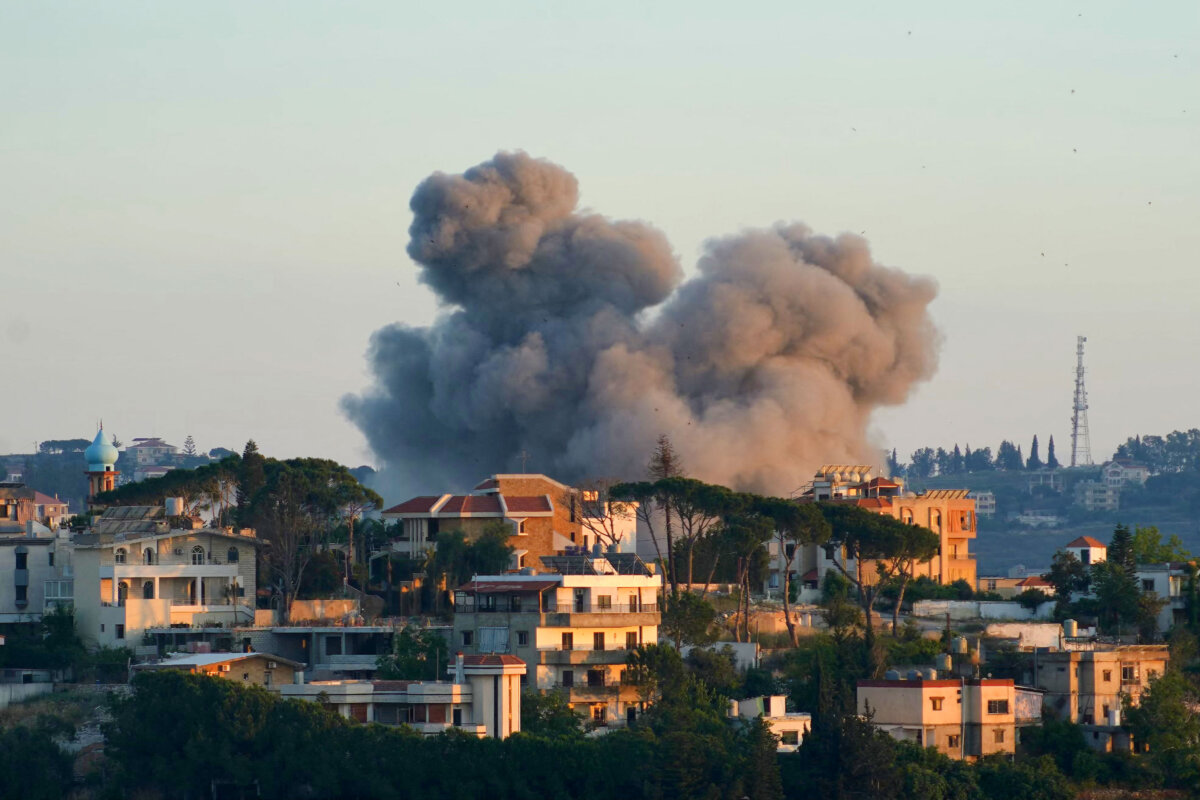
‘No Peace’ While Lebanon ‘in Flames’
European Commission President Ursula von der Leyen said in a statement that “there can be no peace in the Middle East while Lebanon is in flames.”
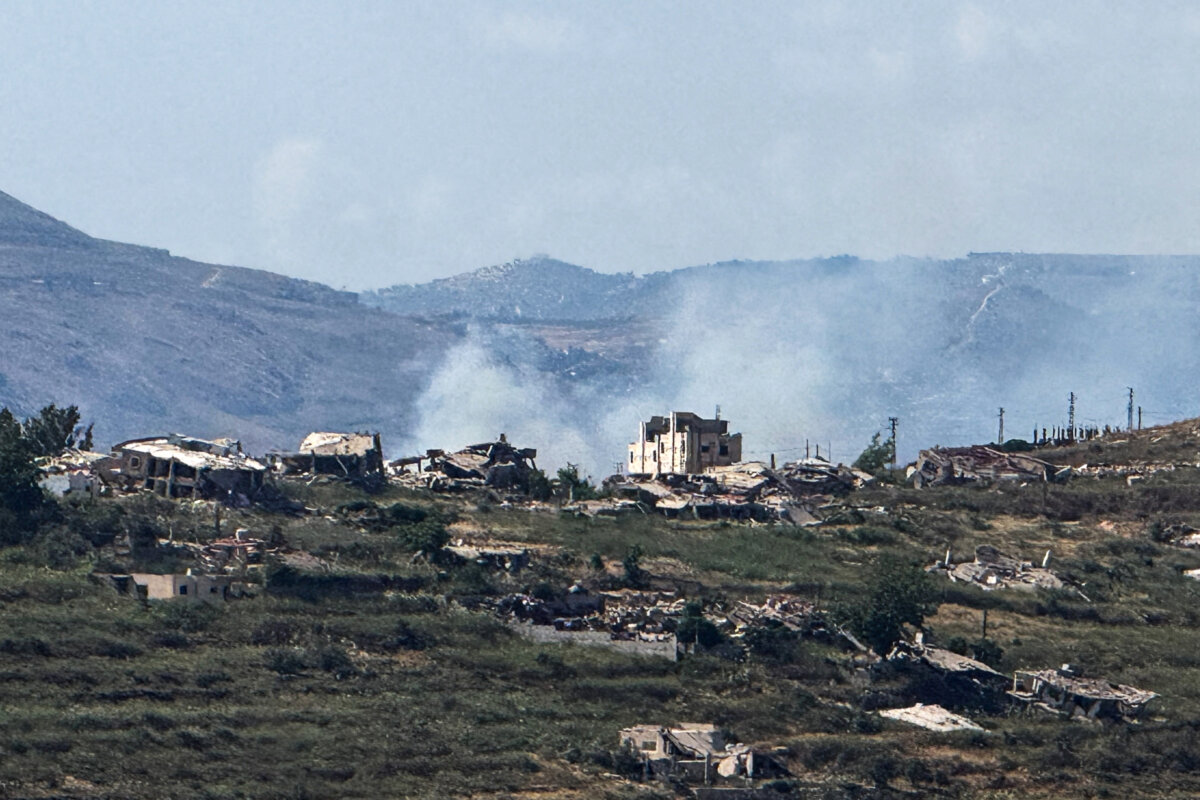
Lebanese President Joseph Aoun said in a post on X that the people of Lebanon “especially the residents of areas that were subjected to attacks and destruction and lost loved ones, sources of livelihood and homes, now look to see these understandings translated into practical steps that put a final end to the cycle of violence and lay the foundation for a phase of stability, security, recovery and reconstruction.”
U.N. Secretary-General Antonio Guterres said through a spokesman that he welcomes the announcement as it “represents a critical step towards the peaceful settlement of the conflict.”
Reuters contributed to this report.
 Friends Read Free
Copy
Facebook
Tweet
Friends Read Free
Copy
Facebook
Tweet