The United States on Tuesday backed security guarantees for Ukraine in the event of a ceasefire with Russia.
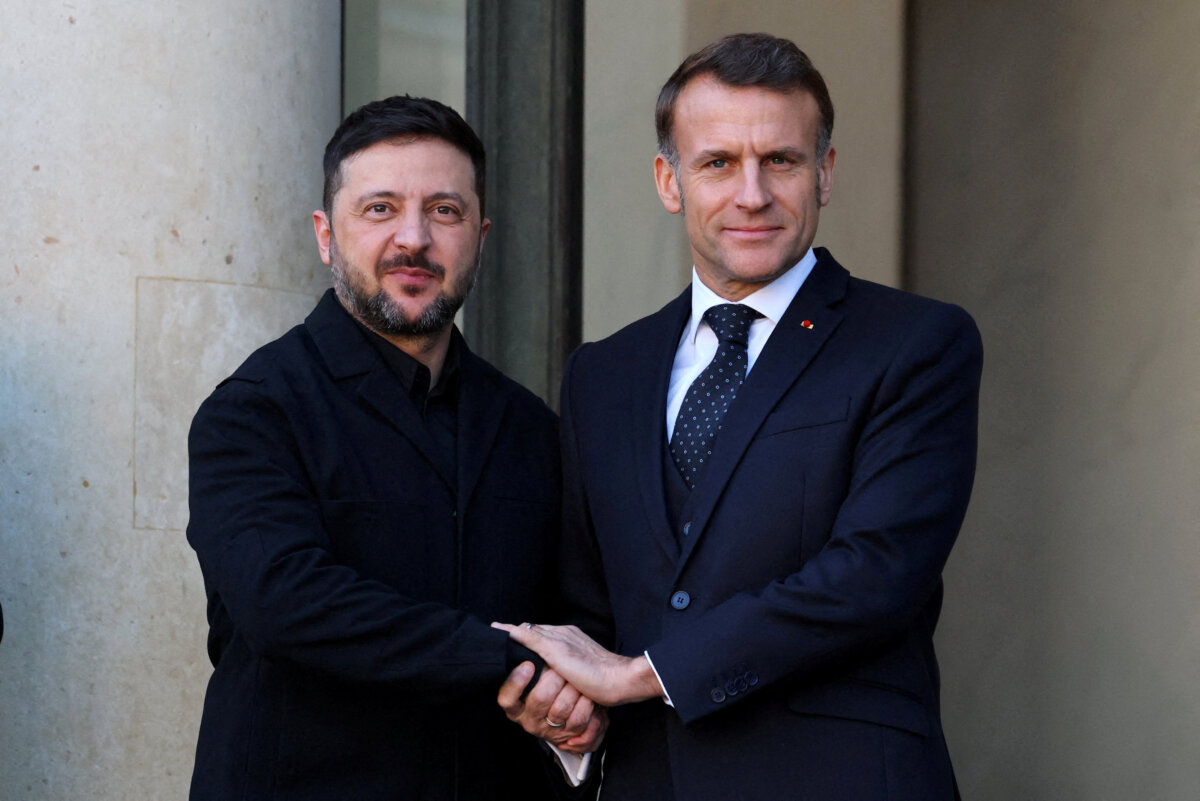
The pledge came during a meeting with Ukrainian President Volodymyr Zelenskyy and Ukraine’s allies in Paris on Jan. 6 to discuss their contributions to future post-war security guarantees for Kyiv.
Zelenskyy was joined by more than 27 leaders in the French capital, along with Washington’s top negotiators—U.S. special envoy Steve Witkoff and President Donald Trump’s son-in-law Jared Kushner—as part of an effort to construct a joint Ukrainian, European, and U.S. position that could be put to Moscow.
Following the summit, Witkoff said that Trump “strongly stands behind security protocols.”
“Those security protocols are meant to … deter any attacks, any further attacks in Ukraine, and … if there are any attacks, they’re meant to defend, and they will do both. They are as strong as anyone has ever seen,” Witkoff, who has led talks with Russia, said at a joint news conference with French, German, British and Ukrainian leaders.
Kushner said that if Ukrainians were to make a final deal “they have to know that after a deal they are secure, they have, obviously, a robust deterrence, and there’s real backstops to make sure that this will not happen again.”
In a post on X, Zelenskyy thanked the United States “for its readiness to be a backstop in all areas—security guarantees, monitoring a ceasefire and rebuilding.”
French President Emmanuel Macron announced the meeting of the so-called “Coalition of the Willing” in his New Year’s Eve address to the nation, saying that “Europe is besieged on all sides.” The Coalition of the Willing is a group of approximately 35 nations, led by France and the UK, that have pledged or have already provided increased political, military, and security support to Ukraine in defending itself against Russia and asserting its sovereignty.
“European defense has long been a topic of debate; it has begun to take shape, and in 2026, this will accelerate,” Macron said. “Starting January 6th in Paris, numerous European and allied states will make concrete commitments to protect Ukraine and ensure a just and lasting peace on our European continent.”
In an evening address to the nation on Jan.4, Zelenskyy said the meetings in Europe “must become yet another contribution to our defense and to hastening the end of the war.”
“Ukraine will be prepared for both possible paths ahead—diplomacy, which we are pursuing, or continued active defense if the pressure from our partners on Russia proves insufficient,” he said. “Ukraine seeks peace. But Ukraine will not give up its strength to anyone.”
In a Jan. 5 post on X, the Ukrainian leader said that Kyiv was “in constant communication with the team of the President of the United States.”
Along with European leaders, Canadian Prime Minister Mark Carney is also due to attend the meeting, posting a clip of himself descending steps from an airplane in Paris in the early hours of Jan. 6.
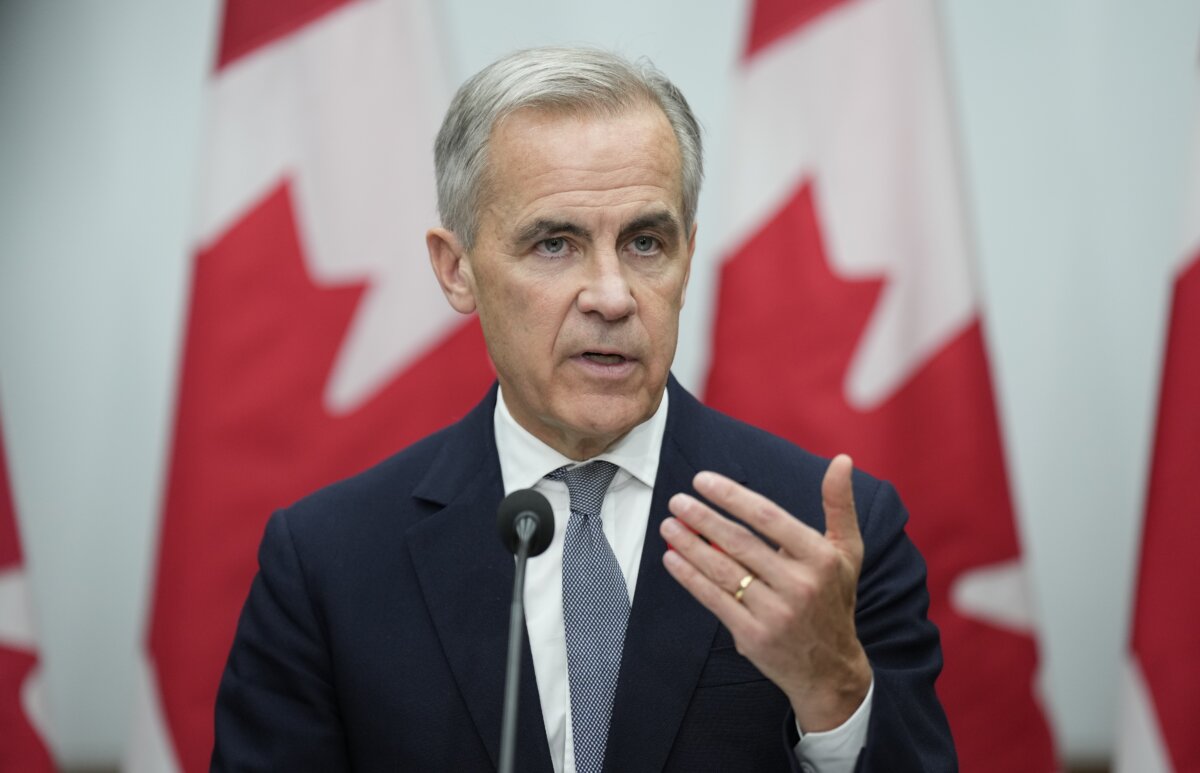
“Canada is working relentlessly with our allies to secure a just and lasting peace for Ukraine,” Carney said in a Jan. 2 statement. “We must deter and fortify—with robust security guarantees and by ensuring Ukraine can rebuild, recover, and create the foundations of true prosperity.”
One of Carney’s close aides, Chrystia Freeland, said on Jan. 5 that she is stepping down as his special representative for the reconstruction of Ukraine after she was appointed as an adviser on economic development by Zelenskyy.
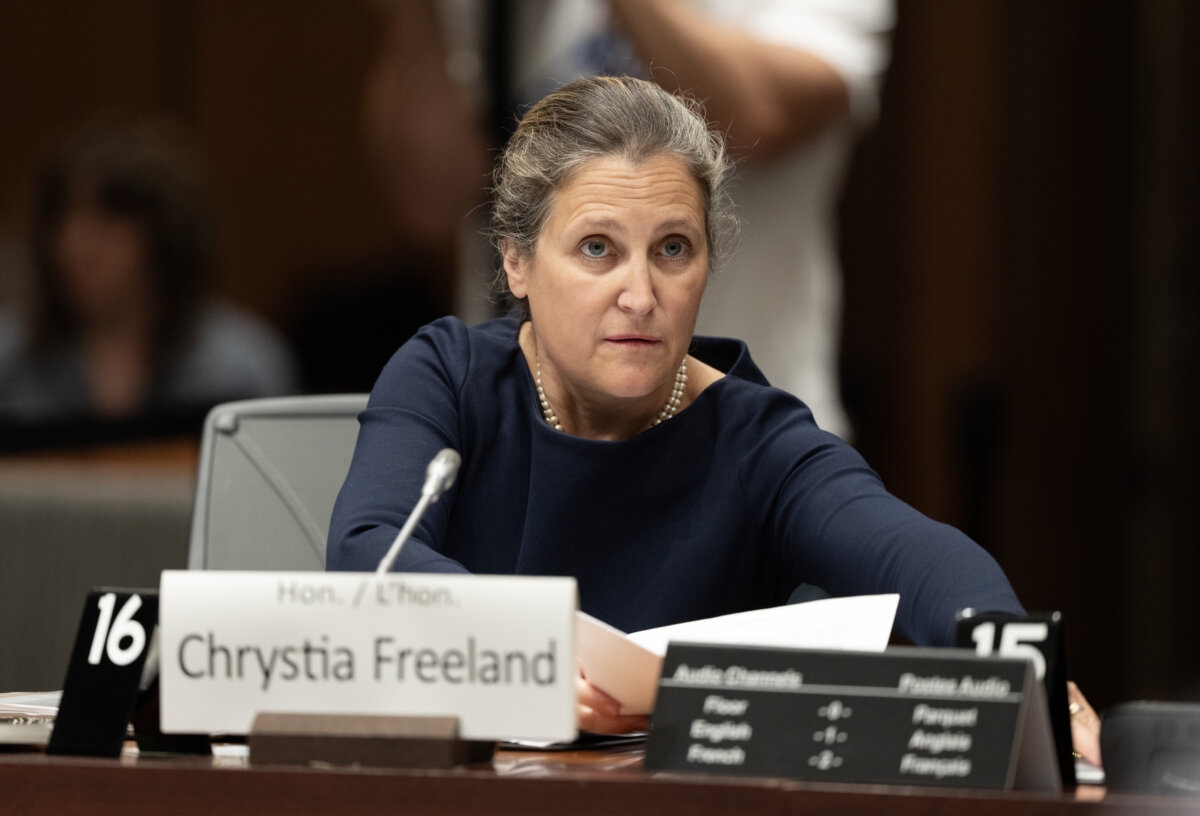
The former deputy prime minister said she will also step down as a member of the Canadian Parliament in the coming weeks after accepting the unpaid position with the Ukrainian government.
Zelenskyy said on social media that he has appointed Freeland to the post because she is “highly skilled in these matters and has extensive experience in attracting investment and implementing economic transformations.”
Negotiations have accelerated in recent weeks, but an alleged drone attack on one of Russian President Vladimir Putin’s residences threatened to hamper the negotiations.
On Dec. 29, 2025, Russian Foreign Minister Sergei Lavrov said Kyiv used 91 drones to target Putin’s residence in the city of Novgorod. All drones were destroyed, Russian officials said. Ukraine denied the claims.
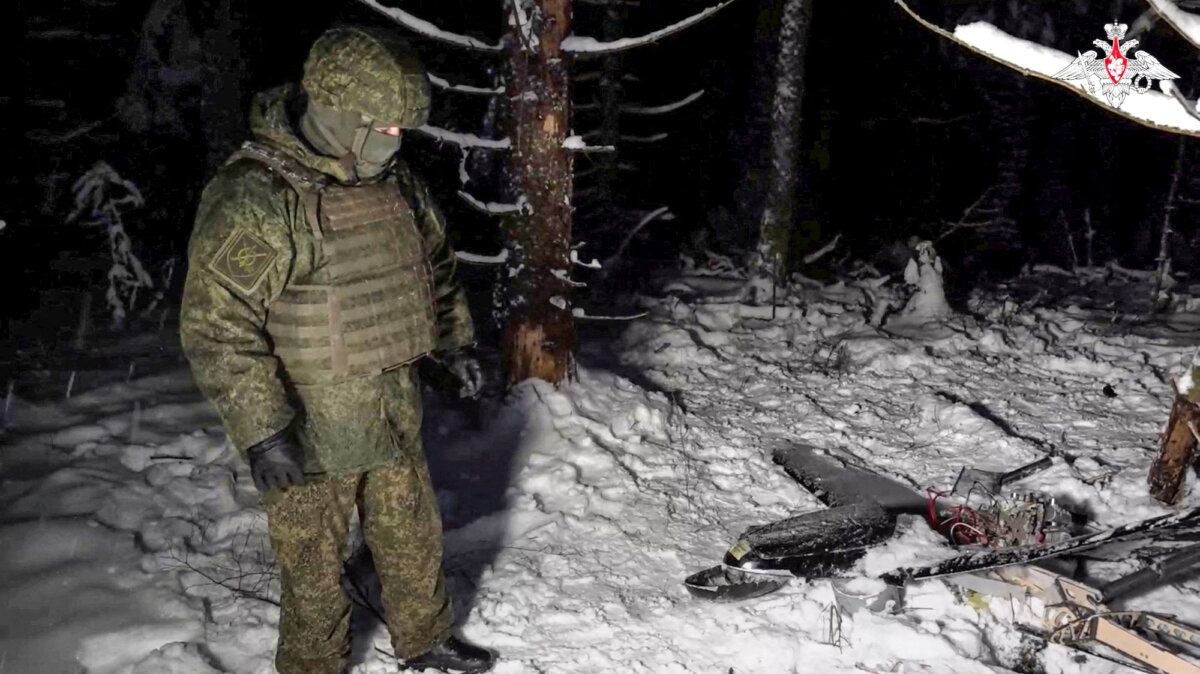
Trump initially responded to the alleged attack with concern, saying it was “not good.”
“It’s one thing to be offensive because they’re offensive. It’s another thing to attack his house,” Trump said on Dec 29. “It’s not the right time to do any of that, and can’t do it.”
On Jan. 4, he said, “I don’t believe that strike happened. There is something that happened fairly nearby, but had nothing to do with this.”
When asked why he initially took Moscow’s assertions at face value, Trump said, “Because nobody knew at that moment. That was the first I heard about it. … [Putin] said that his house was attacked. We don’t believe that happened, now that we’ve been able to check, but that was the first we ever heard about it.”
Reuters contributed to this report.
 Friends Read Free
Copy
Facebook
Tweet
Friends Read Free
Copy
Facebook
Tweet