
“There are 25 embassies which either temporarily shut down or moved its function outside of Tokyo,” Japan’s Foreign Ministry spokesman, Hidenori Sobashima, told CNN.
Of the 25 embassies, 14 of them are from Africa, five from Europe, and four from Latin America. Eight of the 25 embassies have moved to cities such as Hiroshima, Kobe, and Osaka, Foreign Minister Takeaki Matsumoto told AFP by e-mail.
The embassies that have closed or moved are represented by Angola, Bahrain, Benin, Botswana, Burkina Faso, Croatia, Dominican Republic, Ecuador, Finland, Germany, Ghana, Guatemala, Kenya, Kosovo, Lesotho, Liberia, Libya, Malawi, Mauritania, Mozambique, Namibia, Nepal, Nigeria, Panama, and Switzerland.
Last week, the U.S. State Department authorized the “voluntary departure” of family members of embassy workers in Tokyo, giving them permission to relocate to other areas within the island nation.
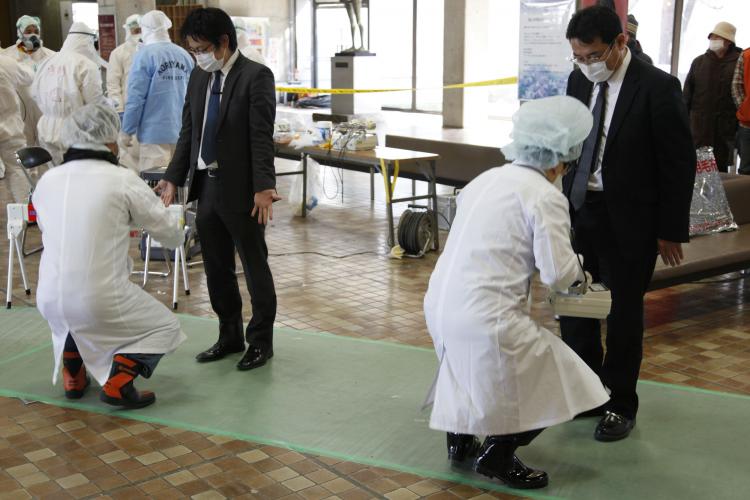
The move came in response to the escalating nuclear crisis in Tokyo. Most recently, Japanese health authorities have detected radioactive iodine in the city’s tap water, stating that it had exceeded legal limits and was not safe for infant consumption.
 Friends Read Free
Copy
Facebook
Tweet
Friends Read Free
Copy
Facebook
Tweet