
Louise Arbour has officially taken on the role of the King’s representative to Canada.
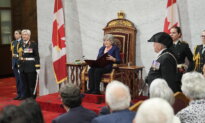
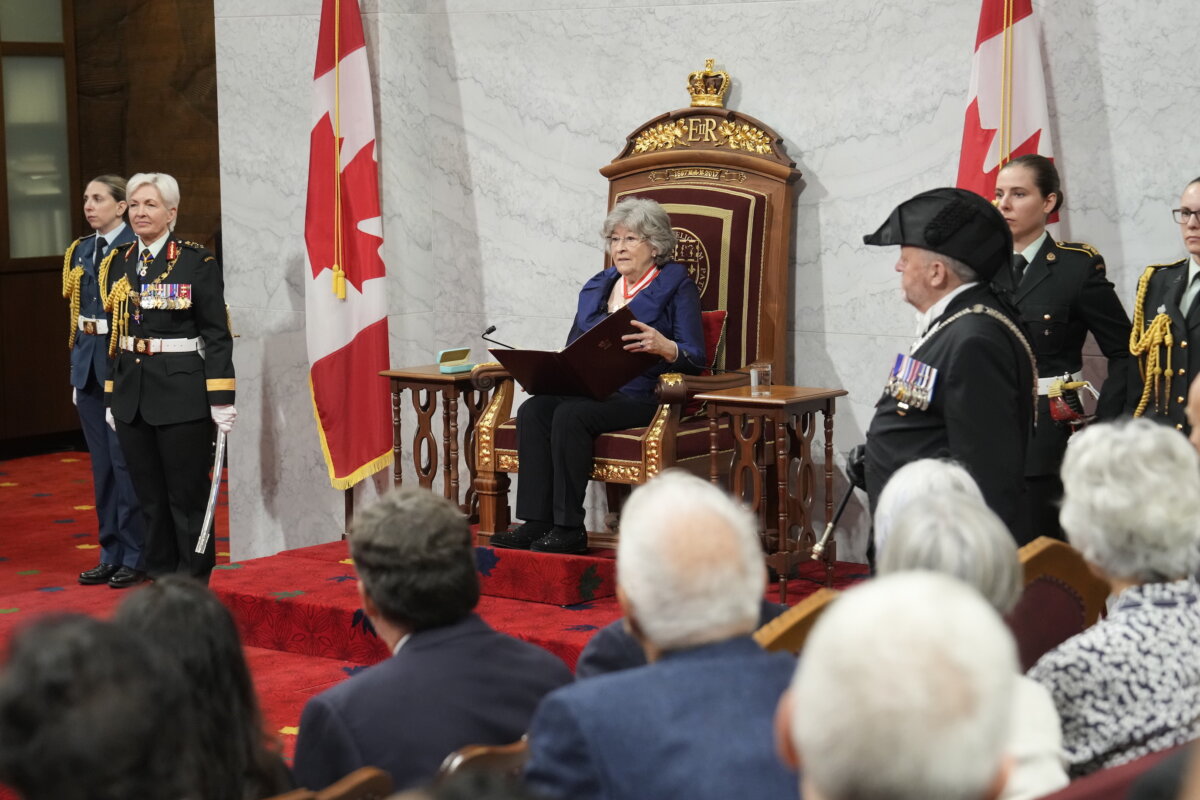
During a ceremony in the Senate building in Ottawa on June 8, Arbour was sworn in as the 31st governor general, replacing Mary Simon.
Arbour outlined her vision in her installation speech, which touched on topics such as reconciliation with First Nations and addressing inequality.
Arbour also urged Canadians to embrace the diverse makeup of the country.
“Let us not slow our momentum toward progress out of fear of differences,” she said. “Extreme polarization is dangerous, but so is extreme consensus. It is through our differences and our fundamental right to express them that we will nourish critical thinking, creativity, and innovation. It is through our differences, that we will build a common future.”
The installation ceremony was attended by a number of dignitaries, including former governor generals and former Prime Ministers Jean Chrétien and Joe Clark.
It follows Arbour’s meeting with King Charles III at Buckingham Palace last week as part of the installation process.
Prime Minister Mark Carney spoke before Arbour at the ceremony. He said Canadians entrust the governor general to “defend our institutions, to uphold our core values of liberty, fairness, solidarity, and sustainability, to represent our ambition to build a stronger, fairer country for all.”
Carney said qualities such as sound judgment and “unwavering” commitment to the rule of law are necessary to accomplish these duties, adding that Arbour has built her career on those principles.
Arbour served on the Supreme Court in the early 2000s after a period as chief prosecutor on the international tribunals on Rwanda and the former Yugoslavia in the late 1990s.
Following her time at the Supreme Court, Arbour worked in various international roles, including as UN high commissioner for human rights, as head of the think tank International Crisis Group, and as UN special representative for international migration.
After working for international groups, Arbour was hired by the Trudeau government to produce a report on sexual misconduct and other issues in the Canadian Armed Forces (CAF). The report’s recommendations have shaped a broad overhaul of policies and culture in the armed forces.
As governor general, Arbour is now the commander-in-chief of the CAF, a role she said gives her “profound honour.”
The role involves appointing the chief of the defence staff on recommendation from the prime minister, and appointing colonels in charge of regiments on the recommendation of the minister of national defence. Other duties include awarding military honours and presenting new colours to CAF units.
Arbour said that CAF recruitment efforts have led to “more Canadians from diverse genders, backgrounds, and perspectives choosing to serve.”
“Significant progress is also being made within the Forces to foster inclusion with dignity, building on a proud tradition of respect and honour,” she added. “This continued modernization will over time strengthen effectiveness and morale. It will also enhance your capacity by better reflecting the country that you’re called to protect.”
Arbour touched on other topics in her speech, including the rapid technological changes in the fields like artificial intelligence (AI). She called for vigilance amid these “profound societal shifts.”
“The lines between knowledge and belief, between truth and falsehood, between facts and assumptions are increasingly blurred,” he said. “AI could be threatening not only the way we live and work, but also the control we exercise over our own destiny.”
 Friends Read Free
Copy
Facebook
Tweet
Friends Read Free
Copy
Facebook
Tweet