
Taiwanese President Lai Ching-te called on China on Thursday to acknowledge the 1989 Tiananmen Square Massacre as the anniversary was marked in Taiwan and abroad.
In a post on his official Facebook page, Lai said he hoped China would “face up to the June 4 incident of 37 years ago, acknowledge the truth, soothe the pain, and open the door to reconciliation and dialogue.”
He also said a truly great country should not “blindly believe in military might or engage in militarism.”
The anniversary also drew a statement from the United States. Secretary of State Marco Rubio said that no amount of censorship could erase the memory of the crackdown.
“Those who sacrificed to uphold their unalienable rights of free expression and peaceful assembly will be vindicated someday,” Rubio said.
China rejected the criticism. Foreign Ministry spokesperson Mao Ning told reporters in Beijing that the government had reached “a clear conclusion” on what it describes as the political turmoil of the late 1980s. She accused Washington of interfering in China’s internal affairs.
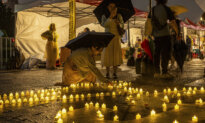
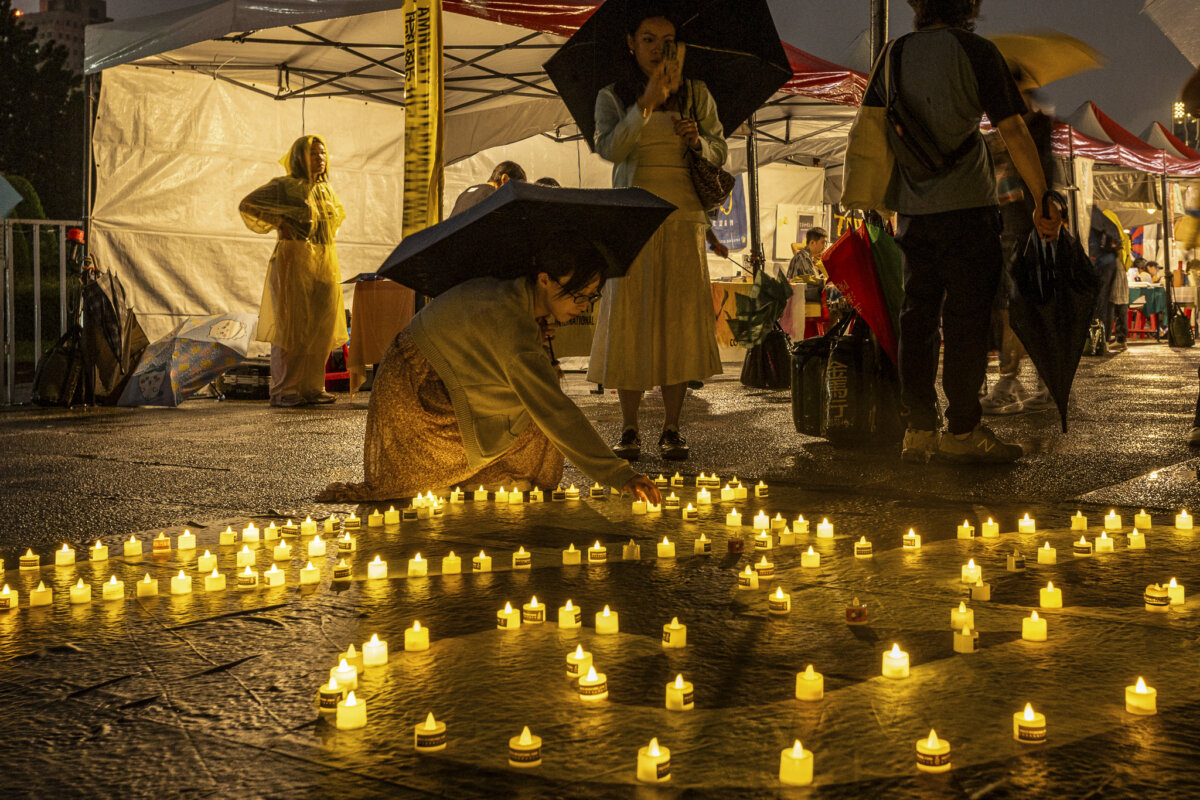
In Taipei, hundreds of people, including Hong Kong residents living in Taiwan, attended a candlelight vigil marking the anniversary.
Public commemorations have become increasingly restricted in Hong Kong since the introduction of a national security law in 2020. The annual Victoria Park vigil, once one of the world’s largest Tiananmen memorial events, has not been held in recent years.
The protests of 1989 began as a student-led movement calling for political reform and action against corruption. Military forces entered central Beijing on the night of June 3 and into June 4, clearing protest sites in and around Tiananmen Square.
China has never published a full official death toll. Estimates from rights groups, witnesses, and researchers range from hundreds to possibly thousands of people killed.
Discussion of the massacre remains heavily censored in mainland China, where the anniversary passes without official commemoration.
The issue has long featured in relations between Taiwan and China. Previous Taiwanese leaders, including Tsai Ing-wen, also used June 4 anniversaries to call for greater openness about the events of 1989.
Lai, who took office in 2024, has said Taiwan’s future can only be decided by its people.
Beijing, which claims democratically governed Taiwan as part of its territory, has labeled Lai a separatist and has suspended official dialogue with his administration.
The two sides have been governed separately since 1949, when the Chinese Civil War ended with the Chinese Communist Party taking control of mainland China and the Nationalist government retreating to Taiwan.
Reuters contributed to this report.
 Friends Read Free
Copy
Facebook
Tweet
Friends Read Free
Copy
Facebook
Tweet