

Commentary
We should never want to know (nor work for) a person who does not have imposter syndrome—can you imagine that person’s arrogance? So why do so many good and capable people experience this feeling and, worse, see it as a huge weakness? So let’s change that perspective.
Imposter syndrome often wears the guise of an inner critic, that nagging voice that whispers you’re not quite the genuine article, that you’re merely masquerading as something more. Yet, what if we dared to reframe this voice not as the harbinger of doubt but as the herald of our uncharted potential? Imposter syndrome can be seen not as a flaw but as a fulcrum, leveraging our discomfort to catapult us into realms of growth we might never otherwise dare to explore.
In the human experience, imposter syndrome emerges as an unexpected and universal thread of the high achievers, weaving through the lives of the accomplished and the aspiring alike. Often misconstrued as a harbinger of self-doubt, this phenomenon can be a catalyst for profound personal development and a testament to an individual’s humility and growth.
Consider the journey of becoming a leader, where the mastery of theory transitions into the art of practice. It is here that imposter syndrome can surface, not as a foe, but as a companion, guiding you through the uncharted territories of your expanding role. For those in the healing professions, like doctors and nurses, or even new parents thrust into the caretaker role, imposter syndrome is a transient yet vital stage, sometimes lasting mere months, as they blossom into their new identities.
-

Now, picture the path of the relentless achiever, the visionary entrepreneur, or the creative spirit, all striving to scale new heights of success. In these realms, too, imposter syndrome serves not as the specter of doubt but as a beacon, illuminating the gaps in our armor not to taunt us but to fortify us. The quiet before the breakthrough, the necessary tension precedes the transformation. For anyone reaching beyond their grasp for more knowledge, impact, or innovation, this syndrome is a rite of passage, marking the threshold between the familiar ground and the extraordinary leaps yet to come.
This progression is not a linear path but a cycle of peaks and valleys. As individuals conquer one summit of their capabilities, they gaze upon the next, and in that moment of self-imposed challenge, imposter syndrome whispers, “Who am I to climb this mountain?” It echoes the Dunning-Kruger effect, where competence breeds a healthy dose of doubt, propelling one forward.
Lingering too long in the shadow of imposter syndrome can challenge one’s identity, but facing it head-on is where the true development of identity occurs. It presents a dichotomy: a fear-based identity questioning one’s worth against a growth-based identity that embraces responsibility, regardless of perceived qualifications.
Thus, imposter syndrome is not an adversary to be defeated but a challenge to be met—an invitation to step into the arena of responsibility, chip away at the monolith of self-doubt, and affirm, “I am, even though I may feel unqualified.” It’s about accepting the fear of what might go wrong and recognizing it as the flip side of the coin of growth.
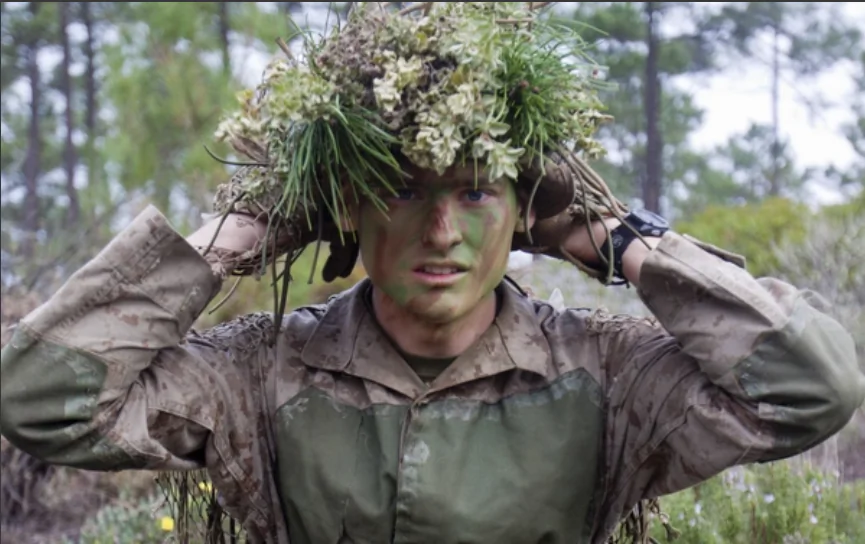
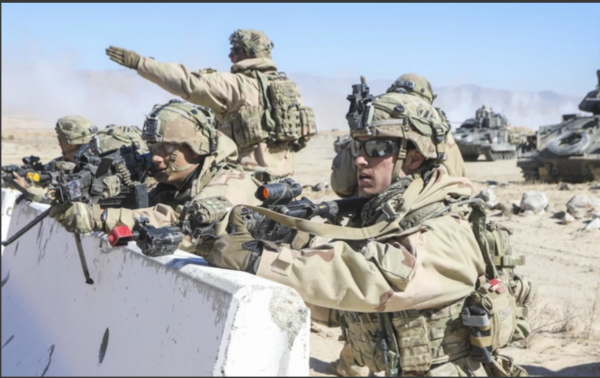
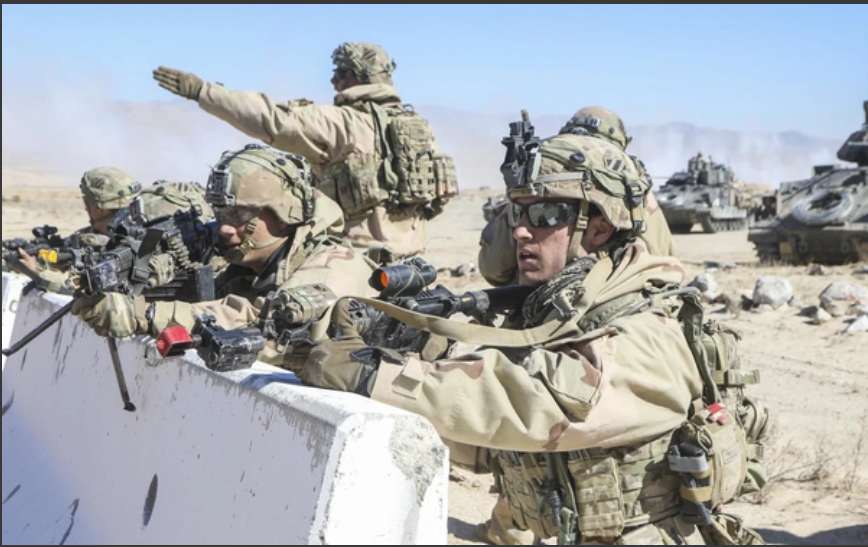
There is a common saying in Special Operations: “You need to learn to be comfortable being uncomfortable.” Maybe we should take the idea to heart even when we are successful.
The appearance of U.S. Department of Defense (DoD) visual information does not imply or constitute DoD endorsement.
Views expressed in this article are the opinions of the author and do not necessarily reflect the views of The Epoch Times.
 Friends Read Free
Copy
Facebook
Tweet
Friends Read Free
Copy
Facebook
Tweet