
“Ireland’s Constitution is rightly celebrated at home and abroad for its recognition of the centrality of human rights and fundamental freedoms. However, 75 years after it was first drafted, it is long overdue for an overhaul,” said Mr Mark Kelly, Director of the Irish Council for Civil Liberties (ICCL), as he summarised the current situation concerning the reform of the Irish Constitution.
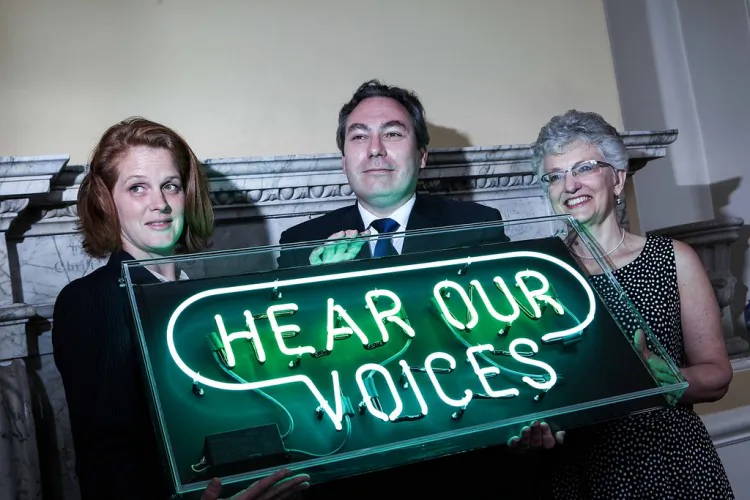
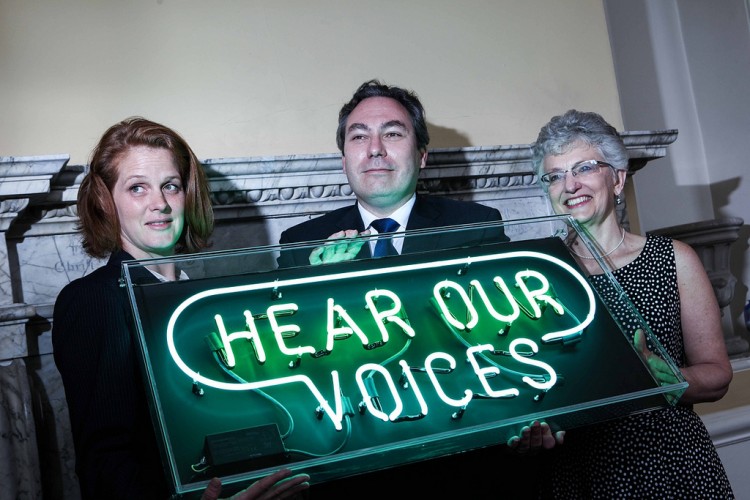
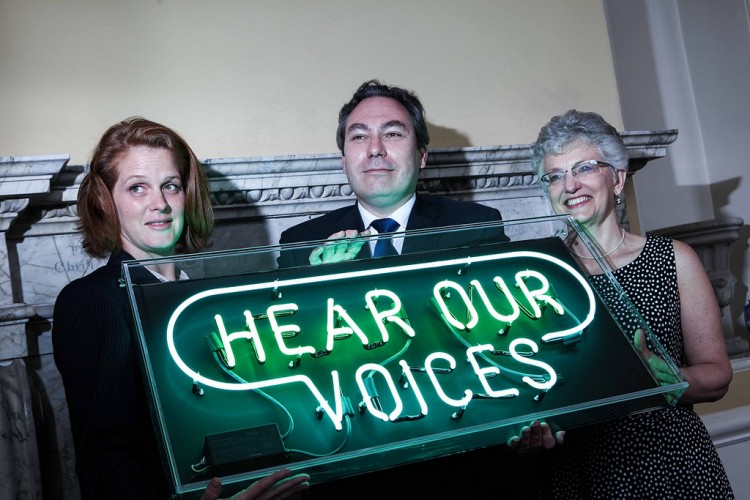
As part of the current discussion concerning this reform, the ICCL hosted an event on Thursday to give the diverse opinions on the matter a forum, under the motto “Hear our voices”.
One theme was that the government should not continue to ignore the voice of civil society, but rather engage in active dialogue before finalising proposals for the forthcoming constitutional convention.
“The Constitutional Convention holds out the promise of reform, but that potential will only be realised if the voices of civil society are accorded a meaningful place in the forthcoming discussions. A process that excludes civil society, as has been the case to date, has no future,” said Mr Kelly, an international human rights lawyer.
Keynote speaker, constitutional attorney and international expert on constitutional reform, Ms Michele Brandt, gave examples to underline this point by referencing other constitutional reforms throughout the world.
“There is much to be learned from the recent experience of other states that have undertaken constitutional reform. From Afghanistan to South Africa, Iceland to Timor-Leste, experience demonstrates the need to promote public participation, meaningful representation, and inclusion, particularly among vulnerable people on the margins of society. An open and transparent process is needed to foster genuine national ownership of the Convention. If a government does not act to generate such ownership, it can sow the seeds of public discontent,” said Ms Brandt.
The alternatives, she said, could lead to dire developments. “This can manifest itself in the establishment of ‘shadow’ or rival consultation processes; the emergence of fringe groups intent on capitalising on a constitutional moment to push their own agendas; public disengagement; boycott; and, ultimately, rejection of proposals for reform,” she said. In the long run, this could mean “disconnect, discontent and ultimately disaffection” of the people, she added.
According to an Irish Times report, Taoiseach Enda Kenny is considering a change of the composition of the Constitutional Convention. “The explicit exclusion of representative and civil society organisations from participating in the process should be revised,” he said.
The Epoch Times publishes in 35 countries and in 19 languages. Subscribe to our e-newsletter.
 Friends Read Free
Copy
Facebook
Tweet
Friends Read Free
Copy
Facebook
Tweet