
Monsanto—an American giant of agricultural produce—has a reputation of producing large amounts of hazardous pollution and dispersing branded herbicides, like Roundup, around the world to make resource-poor countries dependant on Monsanto’s supply of the chemical.
Hybrid seeds donated by Monsanto will allow farmers to grow crops for only one year as the plants do not reproduce, thus making the farmers dependent on buying the same crops the following year.
“The aim of Monsanto is to have complete control of the market, the intention is to open markets all around the world for their plants,” said Brenda Biddle, resource faculty for Evergreen State College.
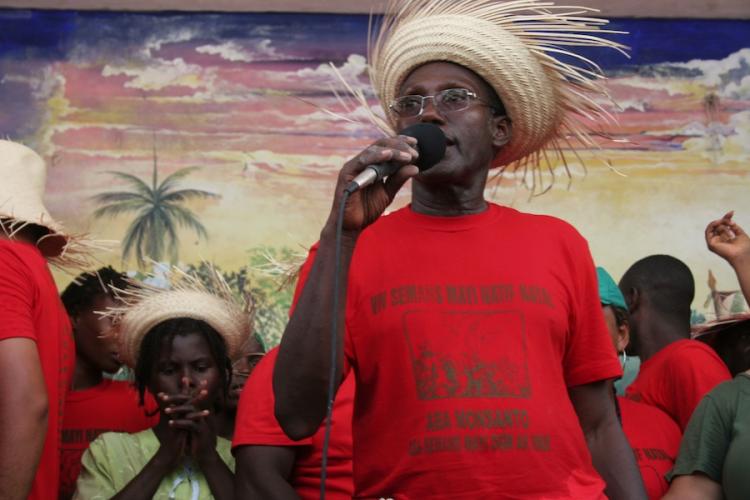
The MMP is the largest grass-roots organization of Haitians in Port-au-Prince, which helps aid organizations bring food, shelter, and resources to locals. MMP leader, Chavannes said “The Haitian government is using the earthquake to sell the country to the multinationals," according to AFP.
Monsanto states that there are no business ties with this gift, and the crops grown can bring in a profit for the farmers. Then the money can be used to buy the next batch of seeds, and so create a market.
Some of the seeds shipped to Haiti were treated with pesticides. Karl Tupper, a staff scientist at Pesticide Action Network of North America, explained that once the pesticide-treated crops enter local markets it will be very hard to go back and this crop will harm the soil.
Monsanto wants to drop off the rest of the 475-ton donation over the next 12 months.
“Big companies try to get farmers to grow the crops but it has devastating effects on the local economies,” said Tupper, who added that companies might be donating seeds that are not the best of quality or are banned in the country where they are produced.
However, there is a possibility for light at the end of the tunnel for Haitian agriculture. “They can rebuild their agricultural market” said Biddle.
 Friends Read Free
Copy
Facebook
Tweet
Friends Read Free
Copy
Facebook
Tweet