
U.S. President Donald Trump on June 8 said Israel and Iran were seeking an immediate ceasefire after a fresh exchange of missile strikes raised concerns that a fragile diplomatic process between Washington and Tehran could unravel and trigger a broader regional conflict.
“Both sides, Israel and Iran, are looking to do an immediate CEASEFIRE!” Trump wrote in a June 8 post on Truth Social. “Final negotiations on ‘Peace’ are proceeding, subject to ignorance or stupidity getting in its way.”
The president added that the U.S.-led blockade of Iranian ports would remain in place until a final deal has been agreed.
“The Blockade will remain in place, and in full force and effect, until a ‘Final Deal’ is reached,” Trump wrote. “Things should move quickly.”
Trump’s comments came shortly after he took to social media to urge both sides to stop “shooting” immediately following an exchange of fire between Israel and Iran.
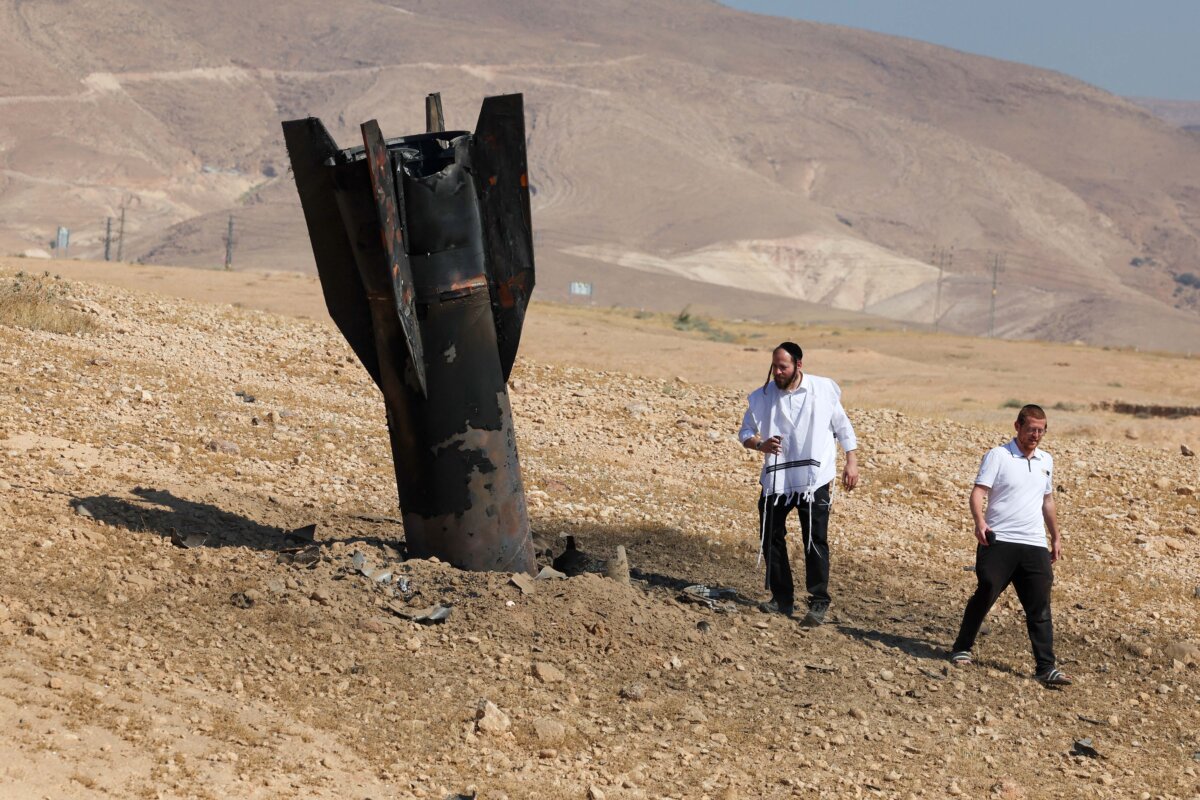
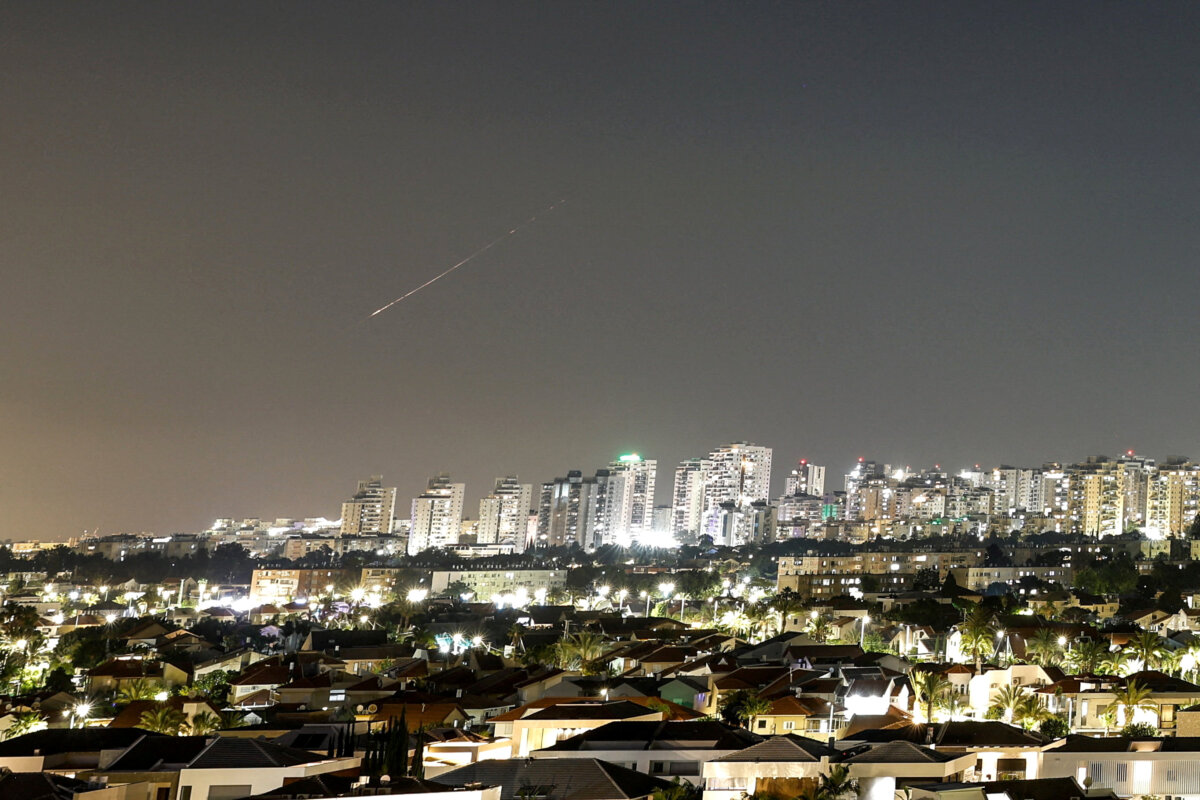
Iran launched missiles toward Israel on June 7, the first time Tehran has directly launched missiles toward the country since a fragile ceasefire took effect in April. Tehran had warned of retaliation after Israel struck Beirut’s southern suburbs earlier on June 7. Israel said projectiles were fired from Lebanon toward northern Israel earlier in the day.
In response to Iranian attacks, Israel launched strikes inside Iran on June 8, including what it described as attacks on military targets and a petrochemical facility in the country’s southwest. Iran’s Islamic Revolutionary Guard Corps (IRGC) said it retaliated with a strike aimed at a similar Israeli facility in the city of Haifa.
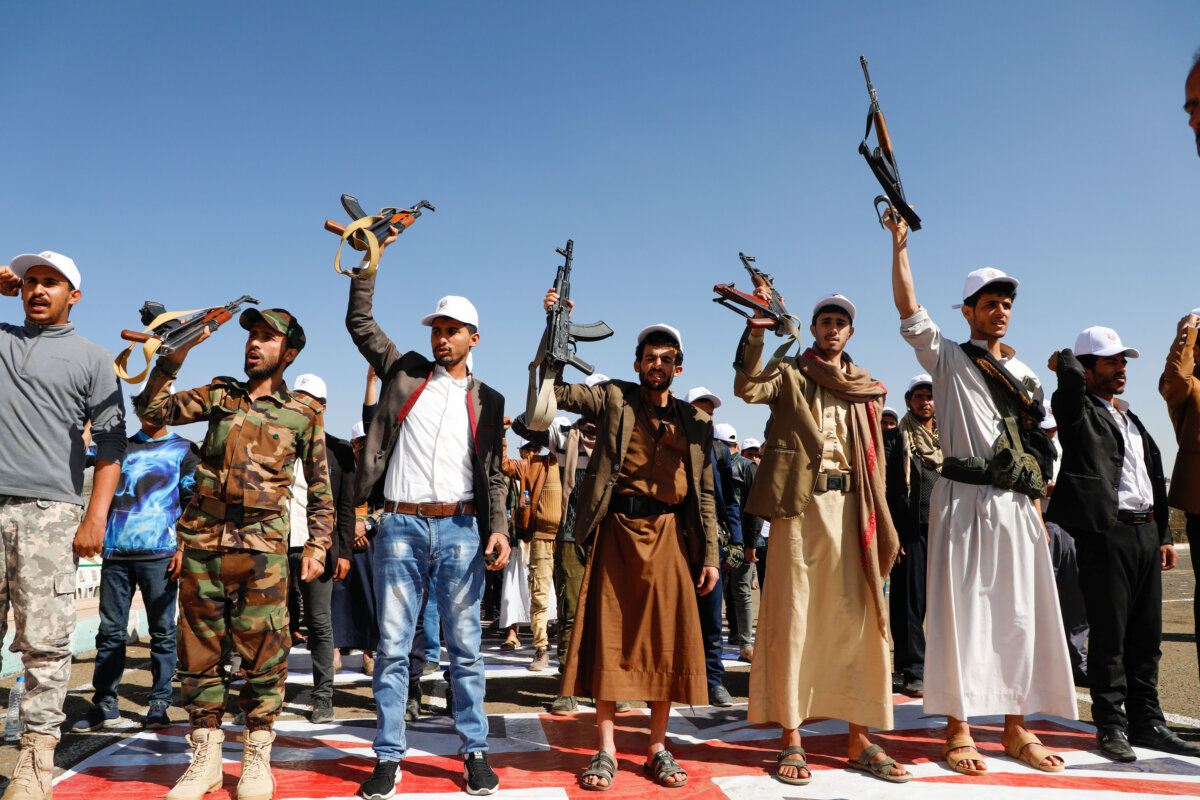
Iran-backed Houthi terrorists in Yemen also renewed attacks against Israel and threatened to block Israeli maritime navigation in the Red Sea.
Iran said on June 8 that it had halted military operations against Israel following what it described as a retaliatory response, but warned that further Israeli attacks—including ongoing operations in southern Lebanon—would trigger a renewed and more severe military response.
“The powerful Armed Forces of the Islamic Republic of Iran, in support of the oppressed people of Lebanon, delivered a painful response to this regime [Israel],” the IRGC said in a statement cited by Iran’s state-affiliated Tasnim news agency. “Should the aggressions and hostile acts continue–including in southern Lebanon–far more severe and crushing measures than before will follow.”
The latest uptick in regional violence threatened to complicate delicate negotiations between the United States and Iran, talks that Trump has repeatedly described as nearing a breakthrough after months of conflict and instability that have sent crude prices soaring and raised fears of global economic chaos.
Senior officials in Jerusalem told Epoch Magazine Israel that Israel’s smaller security cabinet was expected to convene later Monday to discuss the latest escalation and determine next steps.
Israeli Prime Minister Benjamin Netanyahu and Defense Minister Israel Katz held overnight consultations with senior security officials.
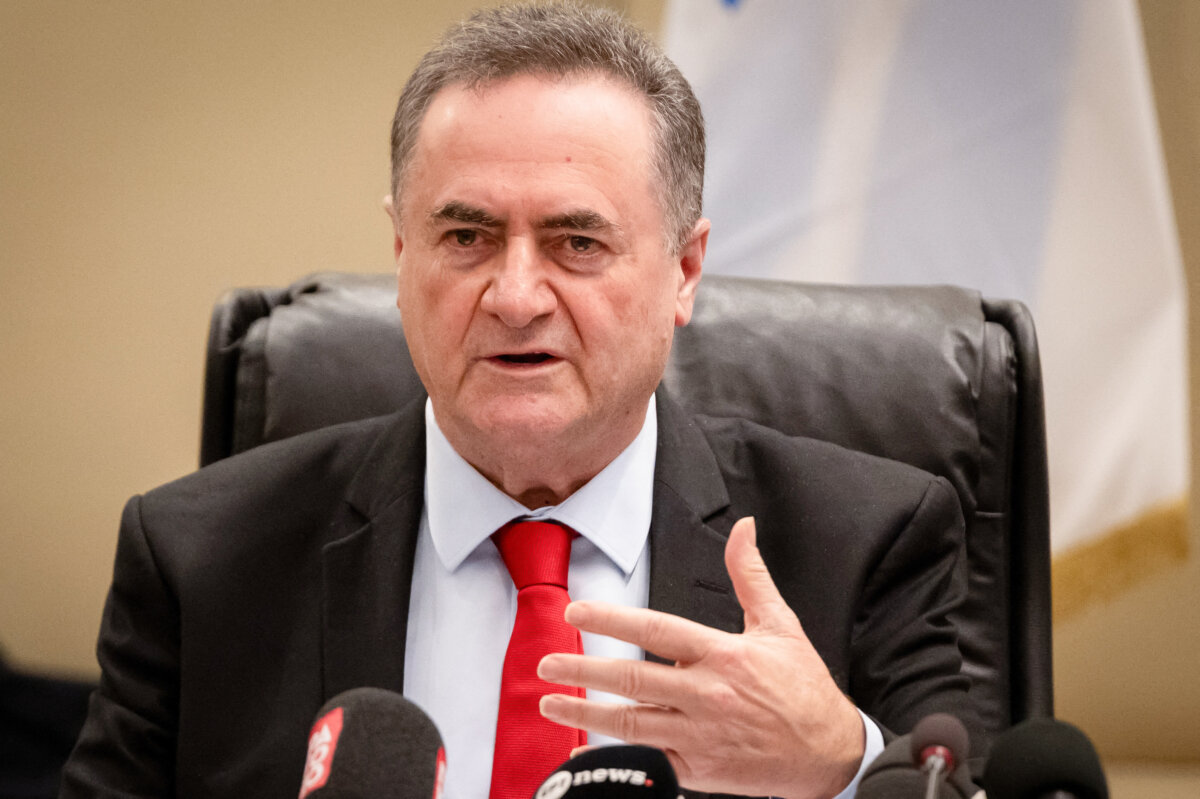
Israeli Defense Minister Israel Katz speaks in Athens on Jan. 20, 2026. (Aggelos Nakkas/AFP via Getty Images)
Trump Pushes Peace Deal
The latest exchanges came only hours after Trump publicly urged Netanyahu not to retaliate following an earlier Iranian missile barrage.
“I am going to call Bibi right now and tell him not to retaliate,” Trump told Axios before Israel launched its latest strikes. “Each of them had their fun. Israel had its strike, and Iran had its strike. We don’t need another one.”
Trump has repeatedly said that a negotiated settlement remains within reach.
“We are very close to a final deal with Iran,” he said. “It is going to be a good deal. I don’t want it to blow up because of what is happening now.”
The president has also said that he believes ongoing military developments will not cause talks between Washington and Tehran to collapse.
Speaking to the Financial Times, Trump said any agreement ultimately reached with Iran would be accepted by Israel.
In a separate interview with NBC’s “Meet the Press” on June 7, Trump said about 50,000 U.S. troops would remain deployed in the region until military objectives related to Iran were completed.
“If we don’t make a deal, then we’re going to take them out militarily, very harshly,” Trump said, referring to Iran’s nuclear capabilities.
At the same time, Trump expressed optimism about negotiations with Iranian officials, saying they had effectively conceded that they would not obtain nuclear weapons.
Tehran Says Diplomacy Under Strain
Iran signaled that the latest military exchanges could further damage already fragile diplomatic contacts with Washington.
Iranian Foreign Ministry spokesperson Esmail Baghaei said overnight strikes and regional attacks would worsen what he described as an already “chaotic diplomatic process.”
Tehran and Washington continue to exchange messages indirectly, but Baghaei said discussions were taking place in an atmosphere of “extreme suspicion.”
He accused Israel of trying to sabotage diplomatic efforts and argued that the United States bore responsibility for actions taken by its regional ally.
Adding to regional tensions, Yemen’s Iran-backed Houthis announced what they called a complete ban on Israeli maritime navigation in the Red Sea.
Houthi military spokesman Yahya Sarea said the group had launched missile attacks against Israeli targets and would intensify military operations.
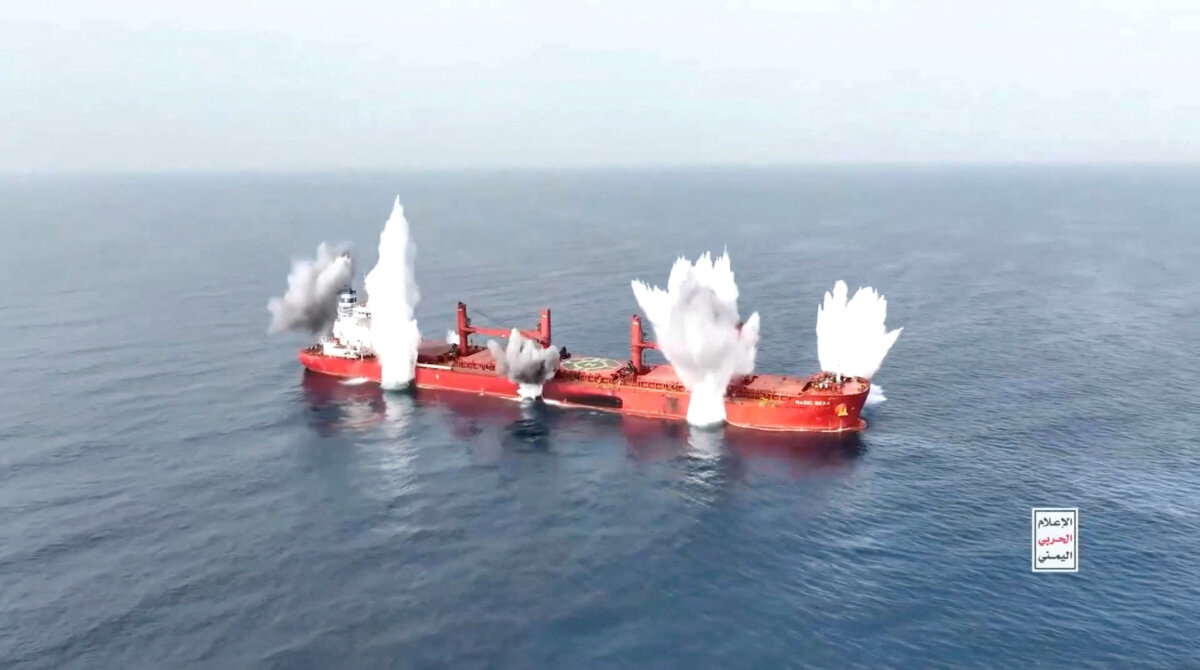
“We declare a complete and total ban on the Israeli enemy maritime navigation in the Red Sea,” Sarea said in a televised statement.
The Israeli military said it activated air-defense systems to intercept a missile launched from Yemen. The attack marked the first Houthi strike on Israel since a ceasefire had taken effect.
The threat to Red Sea shipping has raised renewed concerns over one of the world’s most strategically important maritime corridors, which connects the Indian Ocean to the Mediterranean through the Suez Canal and carries a significant share of global trade.
Iran has already heavily restricted maritime traffic through the Strait of Hormuz, a critical crude shipping lane whose blockade has sent oil prices surging.
 Friends Read Free
Copy
Facebook
Tweet
Friends Read Free
Copy
Facebook
Tweet