

Though snakes help control insects and rodents, not everyone wants them in their garden or near their home—especially if they’re venomous.
Finding a natural deterrent to snakes can sometimes be a challenge. But did you know that certain plants will deter snakes from slithering into your yard? It’s time to boost your gardening know-how and keep these critters out.
A Pungent Deterrent
To keep snakes away, it helps to understand their behavior. Snakes compensate for their poor eyesight and limited hearing with an excellent sense of smell.
Snakes do have nostrils, but according to Live Science, they rely more heavily on a pair of scent-detecting organs on the roof of their mouths. Called Jacobson’s or vomeronasal organs, they allow snakes to “smell” by flicking their tongues.
That’s where plants come into play. Some of them will interfere with a snake’s sense of smell.
Nicole Carpenter, a pest control expert and president of Black Pest Prevention in North Carolina, told The Epoch Times: “Snakes’ behavior is pretty much the same, whether they’re venomous or non-venomous, so the plants you use to deter them are the same, too. If a specific plant would repel a copperhead, it would repel a garter snake, too.”
A plant with a pungent smell can also deter or mask the scent of prey animals, making the area less attractive to snakes. “If snakes have nothing to eat, they are likely to leave soon,” Carpenter said.
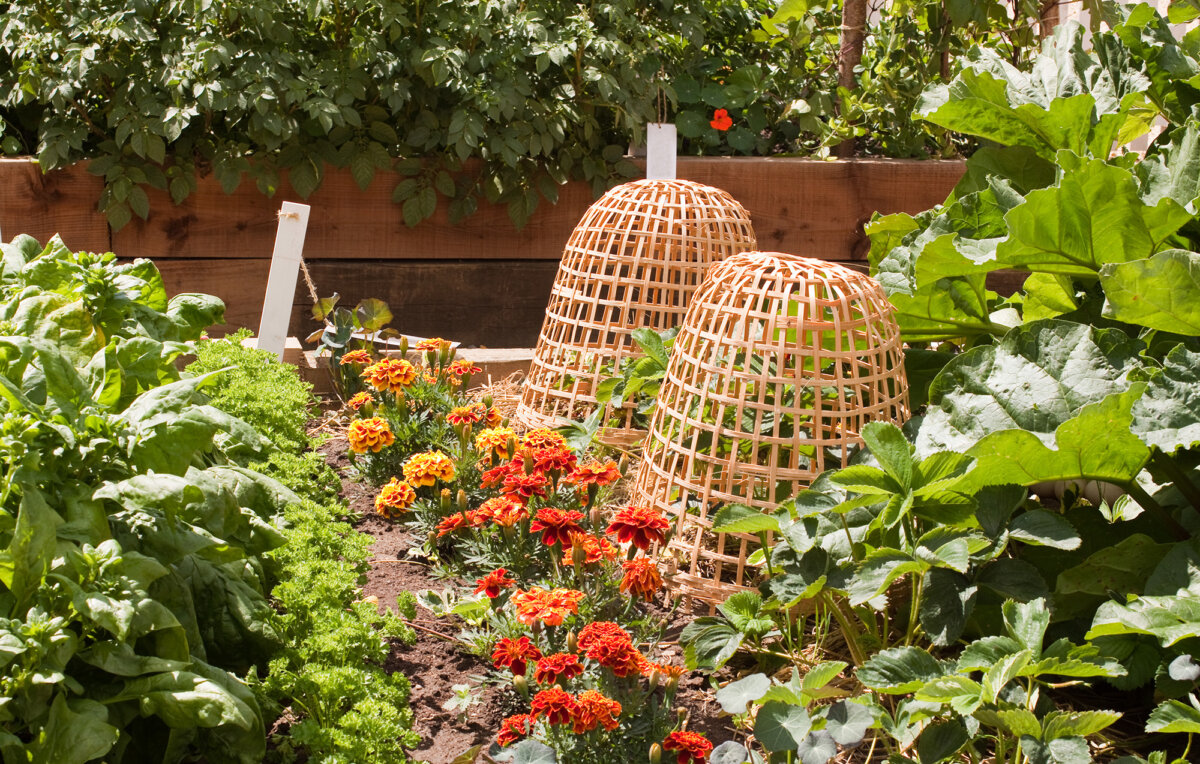
Textured Plants That Repel Snakes
Plants can repel snakes through their strong scent and by masking the snake’s food source, but a plant’s texture can also deter snakes. If a plant is sharp or rough, snakes will avoid it.
The obvious example is a cactus. Various cactus varieties grow in different U.S. hardiness zones, including cold-tolerant varieties such as prickly pear or Echinocereus. Place cacti near the plants or areas in your yard where snakes like to hide, such as shady spots, low-growing plants, or mulch piles.
Snake plant, with its tall and twisting, sword-like leaves, is also off-putting to snakes. According to Carpenter, “A snake plant doesn’t have a scent at all, but if planted thick in a row along walls, fences, or garden edges, it creates a physical barrier that snakes simply can’t go through.” Snake plants grow well in U.S. hardiness zones 10 to 12.
Make the ground uncomfortable for snakes by growing holly low to the ground. Several species of holly grow close to the ground, including dwarf Japanese hollies such as Helleri and Compacta. You can also clip mature bushes and scatter the spiky leaves around areas that snakes frequent. Holly grows in U.S. hardiness zones five to nine.
Plants With Scents That Deter Snakes
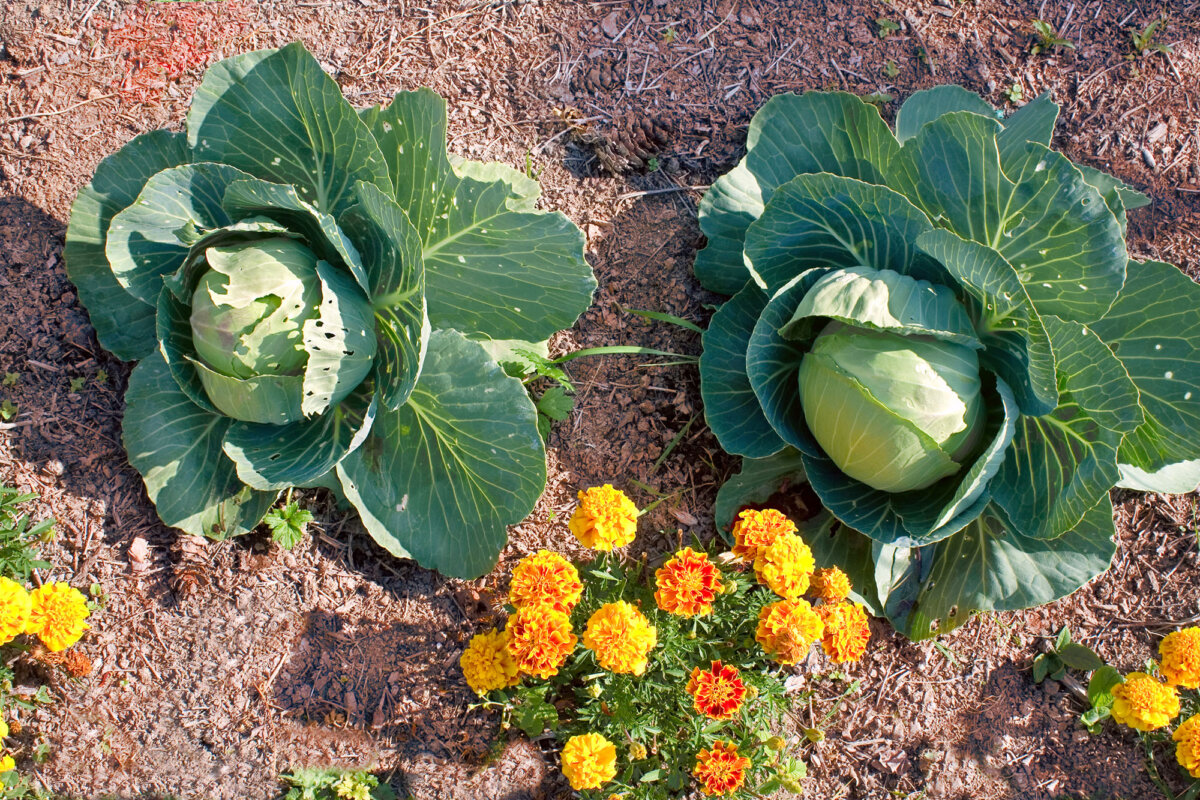
“Marigolds are a great option for repelling a number of pests, including snakes,” Ward Dilmore, founder and head landscape designer at Petrus in California, told The Epoch Times. “Snakes particularly dislike the odor that is released from the marigold’s root system.” Their leaves and blooms also help deter snakes.
There are other plants whose scent is off-putting to snakes. Here are some that may work well in your garden.
West Indian Lemongrass
“West Indian lemongrass has high amounts of citral oil, which emits a pungent scent masking the scents of prey, irritating snakes’ scent receptors, and repelling insects—such as mosquitoes and ticks—that snakes feed on,” Carpenter said.
Lemongrass is also a great repellent to wasps and grows well in U.S. hardiness zones nine to 11. Just ensure you mulch if you’re in zone nine.
Mugwort
Because of its astringent scent, mugwort is another plant that snakes don’t like. It not only has a bitter odor but also affects snakes indirectly by reducing the number of food sources. Other pests don’t like it either. However, keep in mind that mugwort spreads aggressively and is considered an invasive species in many regions of the United States.
Onions and Garlic
According to Dilmore, garlic and onions will also deter snakes. “The strong smell, as well as the high sulfur content of these plants, is thought to be disruptive to a snake’s sensory perception,” he said.
Lavender
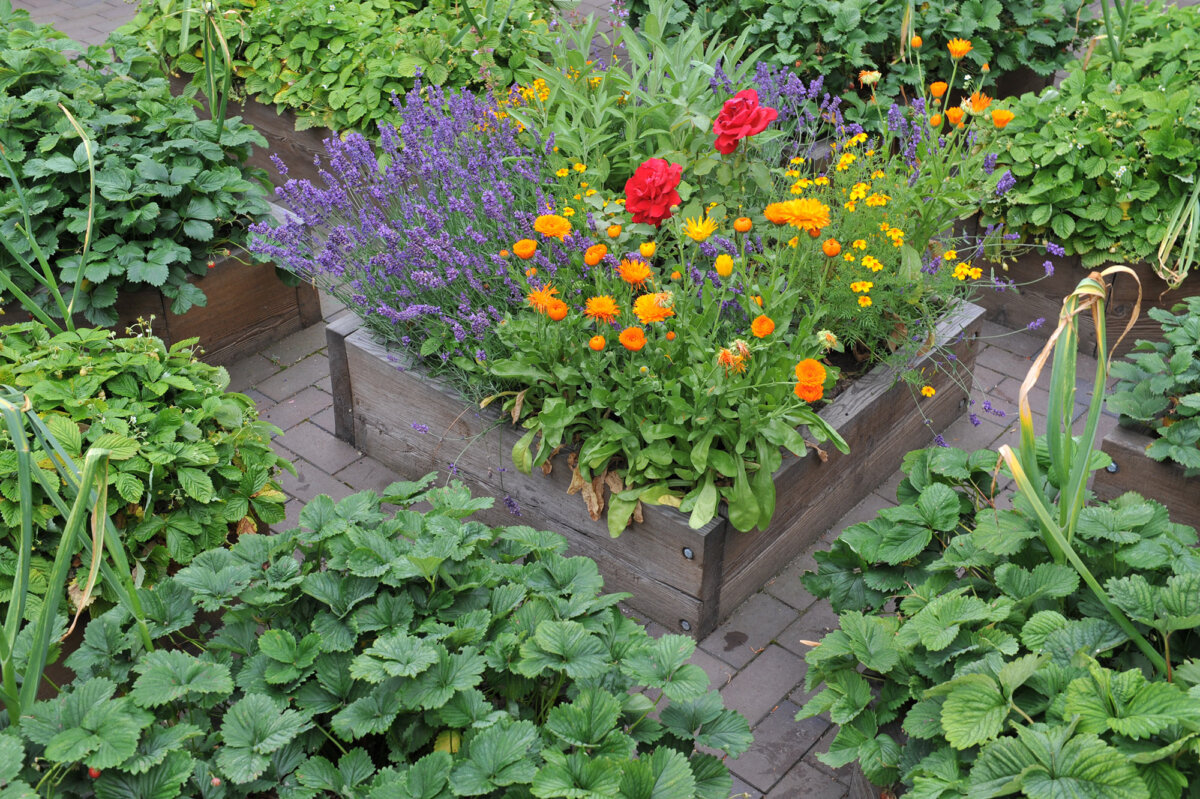
Lavender can make a great anti-snake fence. It has a pungent scent that snakes don’t like and would rather avoid. Lavender’s scent disturbs the snake’s sensitive sense of smell. It can be grown in U.S. hardiness zones five to 10.
Pink Agapanthus
This stately plant, with its pink, trumpet-like flowers, is a member of the onion family. And like the onion, the pink agapanthus’s strong odor will deter snakes.
It’s a fast-growing plant that will thrive in U.S. hardiness zones seven to 10.
Pair Plants With Other Methods
According to Carpenter, snake-deterring plants aren’t 100 percent guaranteed; they’re best used in conjunction with other deterrents.
“The real power comes when you combine plants with short grass,” said Carpenter, since snakes prefer taller grasses that provide cover. She also recommends eliminating brush piles, rodents or insects that provide food sources for snakes, and sealing gaps under sheds, porches, and garages. Steel mesh or hardware cloth can be used to block entry points.
But plants can be a strong part of your arsenal when it comes to repelling snakes.
 Friends Read Free
Copy
Facebook
Tweet
Friends Read Free
Copy
Facebook
Tweet