
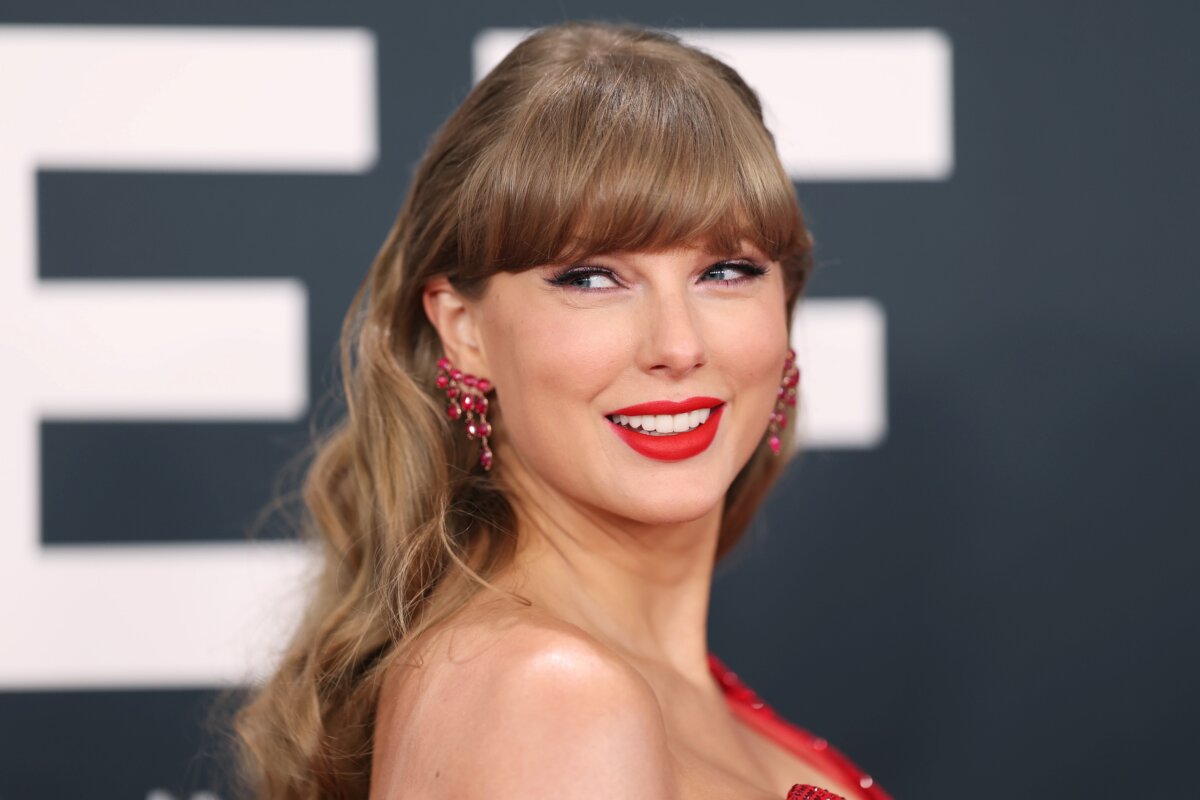
Activist hedge fund Pershing Square said on April 7 that it plans to purchase Universal Music Group—home to Billie Eilish, Lady Gaga, and Taylor Swift—to help revive the valuation of the world’s largest music label.
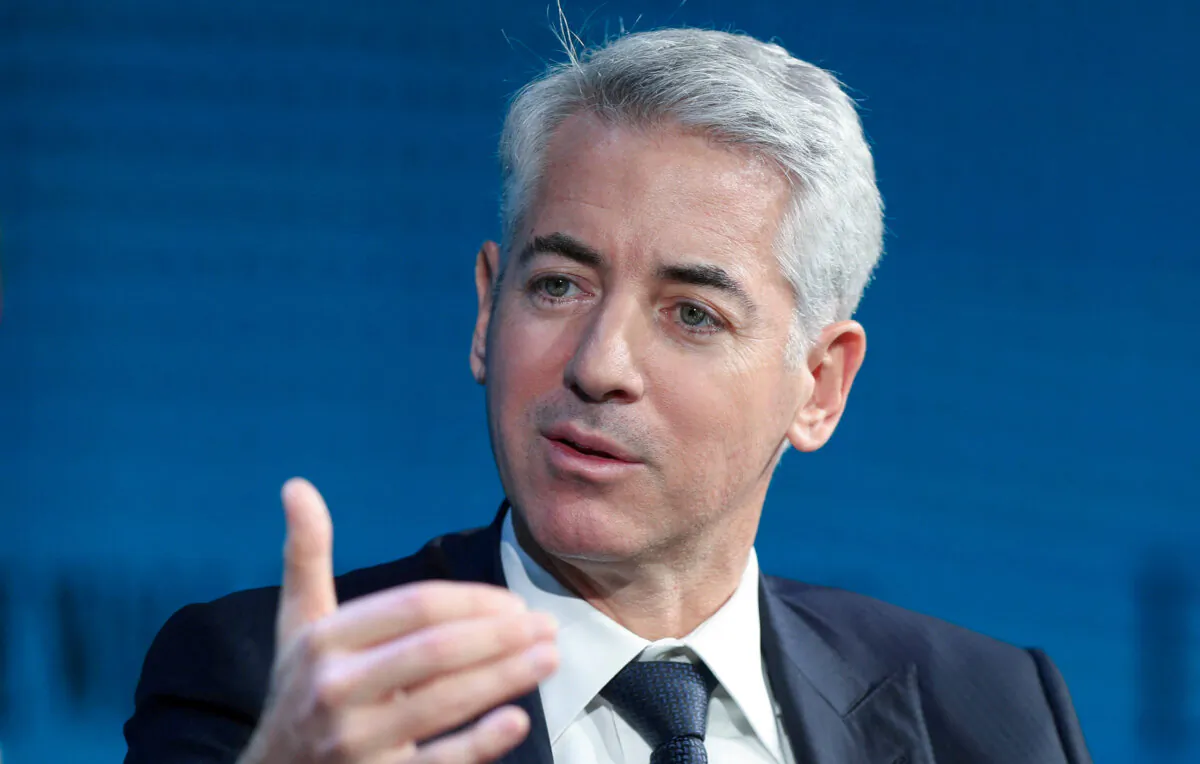
Pershing Square, founded by billionaire investor Bill Ackman, proposed buying Universal Music Group in a cash-and-stock deal valued at 55.8 billion euros ($64.4 billion).
Shareholders would receive 9.4 billion euros ($10.85 billion) in cash and 0.77 shares of new stock for each share of Universal Music Group. This would represent a 78 percent premium from the stock’s April 2 closing price, the company said in a news release.
Shares of the Amsterdam-listed Universal Music surged by 10 percent during the April 7 session.
Universal Music was separated from its former parent, French media conglomerate Vivendi. Controlling shareholder Vincent Bolloré held on to a 5.9-billion-euro ($6.83 billion) stake. It debuted on the Euronext Amsterdam exchange in 2021, valued at 46 billion euros ($53 billion).
If the proposal were approved, Pershing’s SPARC Holdings would merge with Universal Music Group, forming a new Nevada-based corporation listed on the New York Stock Exchange.
Ackman has previously advocated for Universal to be listed in the United States, arguing on X in 2024 that the company “trades at a large discount to its intrinsic value with limited liquidity in significant part due to it not having its primary listing” on the New York Stock Exchange.
Over the years, the music label has excelled at building a “world-class artist roster” and bolstered its business performance, Ackman noted.
“However, UMG’s stock price has languished due to a combination of issues that are unrelated to the performance of its music business and importantly, all of them can be addressed with this transaction,” he said in a statement.
Music to Investor Ears
Ackman identified several reasons he believes the stock—down by 25 percent over the last five years—has underperformed the broader market.
In a letter to shareholders and directors, Ackman stated that Universal Music’s valuation has been weighed down by several structural and governance concerns, including uncertainty surrounding the Bolloré Group’s sizable 18 percent stake and the company’s decision to delay a long‑anticipated U.S. listing.
If Universal Music were included in the broader S&P 500 index, it would be the only music company listed on the popular stock benchmark.
“It’s not just the index inclusion,” Ackman said during a question-and-answer conference call with analysts on Tuesday. “It makes the stock ownable by the large number of investors whose mandate does not allow them to invest in companies that are listed only, for example, on the euro.”
Investors have also been frustrated by Universal Music’s underutilized balance sheet, which has depressed returns on equity, and by the absence of a clear, publicly articulated capital‑allocation strategy or long‑term earnings framework, he added.
Compounding these issues, the market has given the company little credit for its 2.7-billion-euro ($3.12 billion) Spotify stake, while the company’s investor‑relations efforts and overall communication have been viewed as suboptimal, limiting confidence in management’s strategic direction.
Ackman noted that Universal Music has struggled to acquire catalog assets, but its discipline has prevented such purchases.
“We think the company is extremely well-positioned and very thoughtful and disciplined about the way they deploy capital, acquiring capital, catalog assets, and if you’re interested in this music, royalty assets—catalog assets—the right ones are kind of a differentiated fixed income sort of asset class,” he said.
Pershing executives stated that Universal Music could leverage artificial intelligence (AI) tools to bolster productivity and reduce costs.
But while AI music will not be commercially relevant, the new technology could “broaden the idea of who is an artist,” the company said during the conference call.
Looking ahead, Universal Music’s growth could reach 14 percent annually through revenue expansion, margin improvement, and strategic acquisitions.
These actions, the company believes, could also grow annual dividends by 2 percent.
Pershing has also suggested refreshing the board of directors by appointing Michael Ovitz—a talent agent and former president of the Walt Disney Company—as chairman.
Ultimately, Ackman does not believe there is any reason why shareholders would not approve the transaction since it “addresses everyone’s concerns.”
“We don’t think that there are really any elements of the transaction that’s not going to be appealing to any other holders,” Ackman told analysts.
“We’ve designed this transaction to be as friction-free as possible.”
 Friends Read Free
Copy
Facebook
Tweet
Friends Read Free
Copy
Facebook
Tweet