
A new “chipflation” threat is brewing in the economy, Morgan Stanley analysts warn.
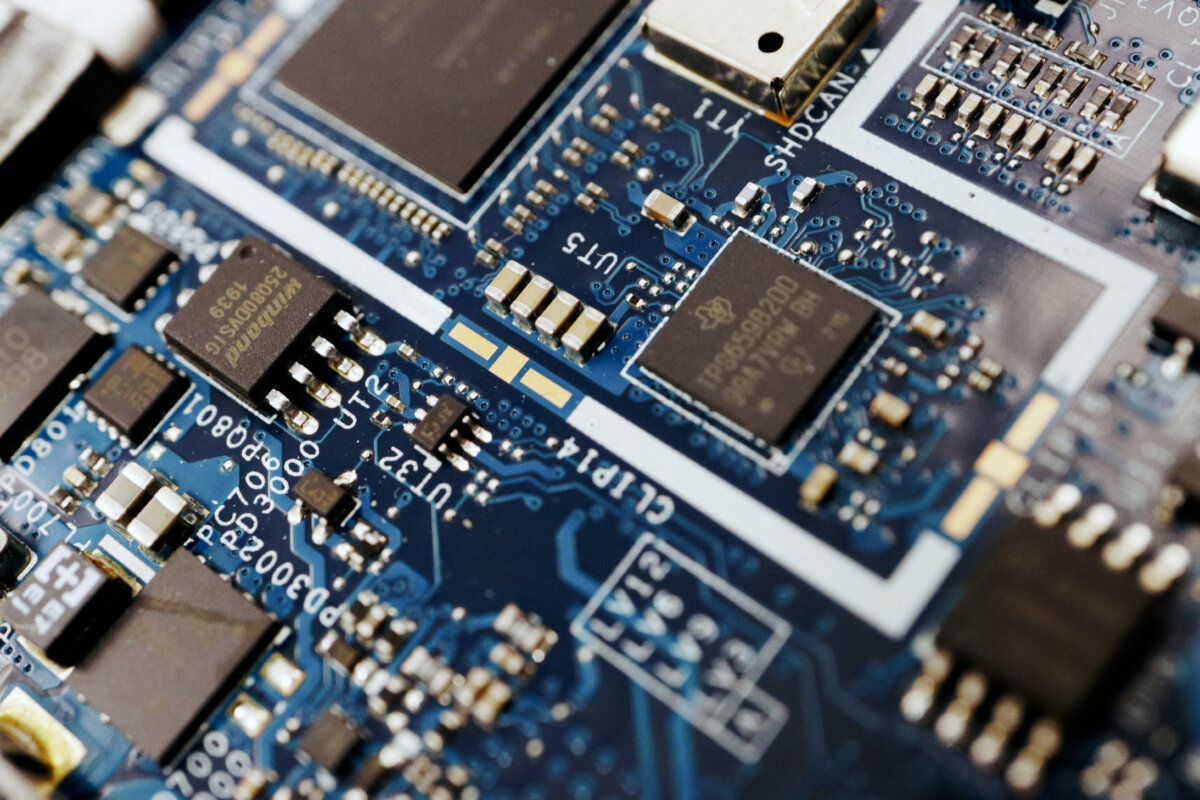
Memory chip prices have surged by up to 600 percent in the past year, driven by a global shortage of Random Access Memory, or RAM, amid intensifying artificial intelligence (AI) demand.
Product scarcity has driven up the share price of various chip stocks. Year-to-date, Nvidia has surged 27 percent, Advanced Micro Devices (AMD) has rocketed 320 percent, and Intel has climbed 73 percent.
As the technology sector prioritizes AI infrastructure investment, particularly data center chips, everyday consumer products have taken a back seat.
The AI hyperscalers—Alphabet, Amazon, Meta Platforms, Microsoft, and Oracle—have updated their capital expenditure forecasts for the year ahead to nearly $1 trillion combined.
This will create persistent heightened demand for semiconductors, and bank analysts say the situation has metastasized into a “macroeconomic concern.”
“What began as an AI infrastructure bottleneck is now spreading into hardware margins, device affordability, cloud costs, inflation and policy,” Morgan Stanley said in a 66-page note.
The latest market trend is forcing tech firms—smartphone makers, computer manufacturers, and video game console producers—to either raise prices or accept lower profit margins.
This past spring, Sony raised the price of the PlayStation 5 from $549.99 to $649.99. Lenovo recently confirmed that it will increase prices across its PC and laptop lineup, effective June 4.
While chipmakers are expanding capacity, industry experts say the problem will take years to rectify due to the costs of building new manufacturing facilities. Additionally, companies are stockpiling RAM and entering into long-term commitments.
Rising chip prices could also eventually filter through the marketplace.
“Memory producers benefit from stronger pricing, margins and visibility. Downstream hardware companies must absorb costs, pass them through, redesign products or risk demand destruction,” Morgan Stanley said.
Consumers are not waiting to see whether these companies pass on or absorb these costs, as they are already adapting to the landscape, new industry data show.
Effects of ‘Chipflation’
The global smartphone market is on pace for its worst year on record, says research firm IDC.
In the quarterly mobile phone tracker, the group estimated that international smartphone shipments could decline almost 14 percent year-over-year to 1.09 billion units in 2026.
It will be a “defining year” for the worldwide smartphone market, says Nabila Popal, senior research director at IDC.
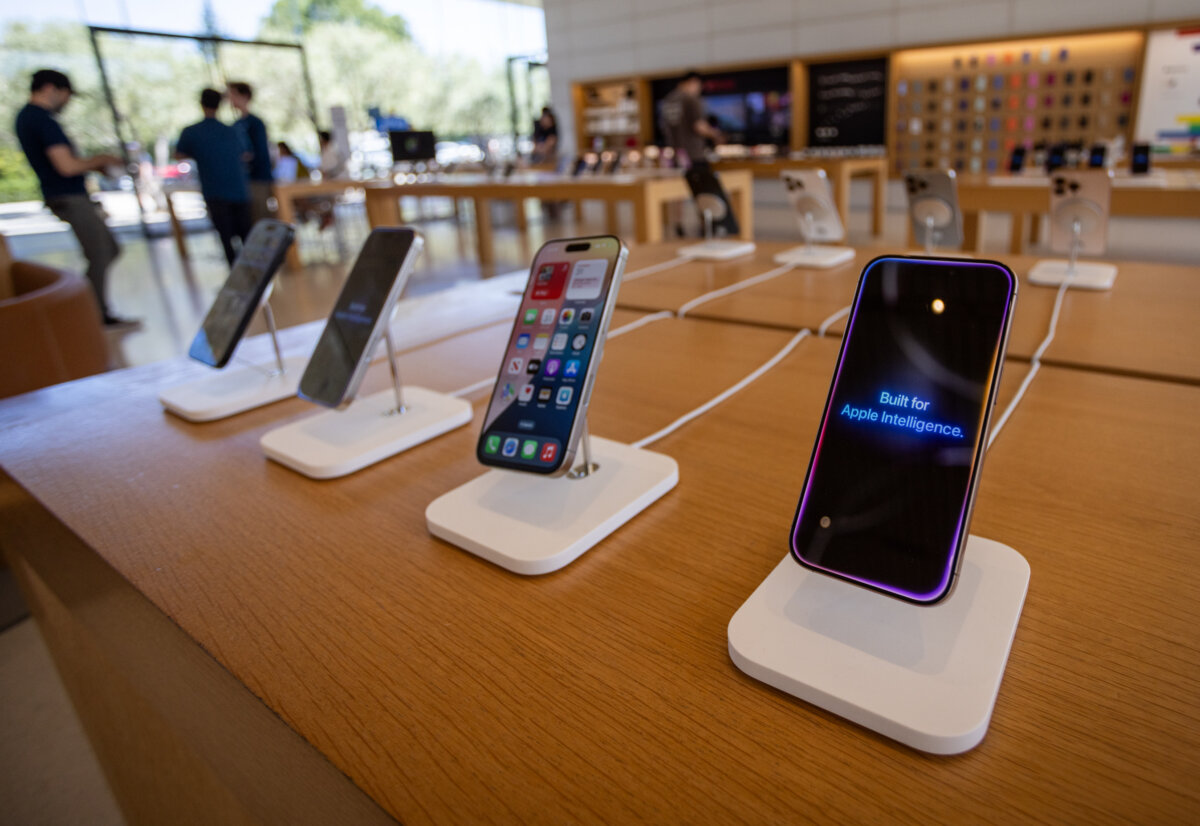
“The deepening memory shortage crisis remains the dominant force behind the record 14% drop this year, but it is no longer the only one,” Popal said.
“For consumers, it means the era of ultra cheap smartphones is over,” she added. “For vendors, it means only those that can adapt their strategies to this new cost environment and sustain demand at elevated price points will survive.”
The global PC market is also poised to face a “turbulent” second half due to the ongoing memory shortage. Global PC shipments will decline more than 11 percent this year, IDC analysts projected in a separate report published on June 2.
So far, U.S. consumers have avoided the direct impact of higher chip prices.
In April, according to the Bureau of Labor Statistics, information technology commodities—computers, software, smartphones, and other consumer items—declined more than 6 percent year-over-year.
But this might not last much longer, say strategists at BlackRock.
Even prior to the recent surge, there had been a slowdown in the decline of chip prices, and the trends suggest “there will be upside risks to consumer goods prices in the coming years.”
“Recent commentary on microchip prices has tended to apply a supply-side framing that we view as misplaced. Instead, we see exponential price rises as a natural outcome of exponential demand,” they wrote in a March 31 research note.
They could be right, as price pressures are showing up in the data, such as in wholesale inflation.
April’s producer price index—a pipeline inflation gauge of what businesses pay for goods and services and that is eventually passed on to consumers—shows electronics and computer equipment surging 8 percent year-over-year. Communication and related equipment have also jumped nearly 12 percent from a year ago.
Reuters contributed to this story.
 Friends Read Free
Copy
Facebook
Tweet
Friends Read Free
Copy
Facebook
Tweet