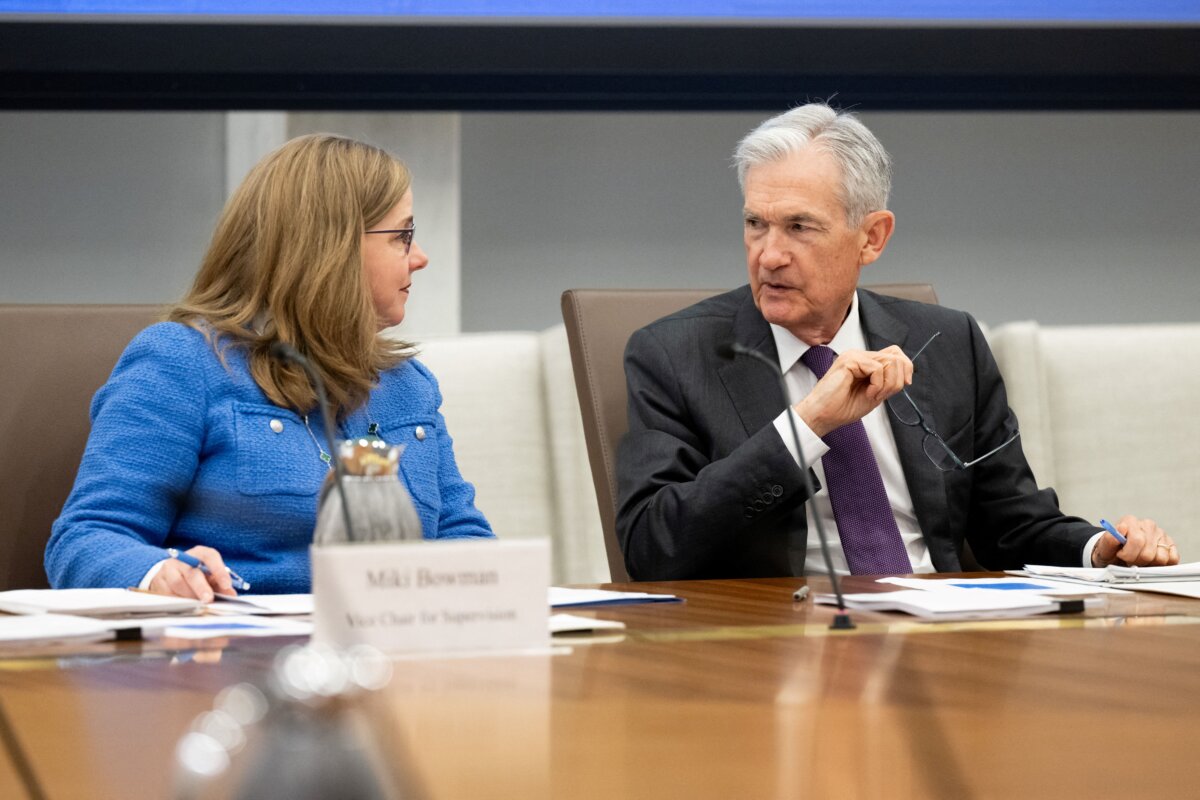

Federal Reserve Governors Michelle Bowman and Christopher Waller on Friday laid out their reasons for breaking with colleagues earlier this week and voting to cut interest rates, citing slowing growth, softening consumer demand, and mounting signs of labor market fragility.
The dual dissent at the July 30 policy meeting—the first by two Fed governors since 1993—underscores a widening divide on how soon the central bank should pivot from its restrictive stance on interest rates.
“I see the risk that a delay in taking action could result in a deterioration in the labor market and a further slowing in economic growth,” Bowman said in an Aug. 1 statement, explaining why she backed a quarter‑point cut at the Federal Open Market Committee (FOMC) meeting.
Waller, in a separate statement on Friday, said tariffs are “one‑off increases in the price level” that should be “looked through,” arguing that monetary policy is currently more restrictive than needed given inflation’s progress toward 2 percent and slowing GDP growth. “When labor markets turn, they often turn fast,” he said, adding that waiting for clarity on tariffs could leave the Fed “behind the curve.”
The Fed voted to hold rates steady at 4.25 to 4.5 percent for the fifth consecutive meeting on Wednesday, with Chair Jerome Powell describing policy as “modestly restrictive” but appropriate for now. He acknowledged tariffs are filtering into inflation data but said the effects are likely a “one‑time shift” rather than persistent. Powell acknowledged “downside risk to the labor market.”
Both Bowman and Waller pointed to weakening hiring trends. Bowman said job gains are concentrated in sectors less sensitive to the business cycle, such as health care and social services, while Waller flagged that private‑sector payroll growth is “near stall speed” after likely data revisions.
Government data showed a sharp deceleration in job creation. The Labor Department reported Friday that nonfarm payrolls rose by 73,000 in July, far below economists’ expectations. The median estimate for employment gains was 115,000, according to FactSet Insights.
June’s job numbers reading was revised lower by 133,000 to 14,000, while payroll employment for May was also adjusted lower by 125,000 to 19,000.
The string of downward revisions suggests that hiring momentum has slowed more dramatically than previously understood, adding to concerns about labor market resilience as higher borrowing costs weigh on growth.
Financial markets quickly repriced expectations for a September rate cut following the payrolls release.
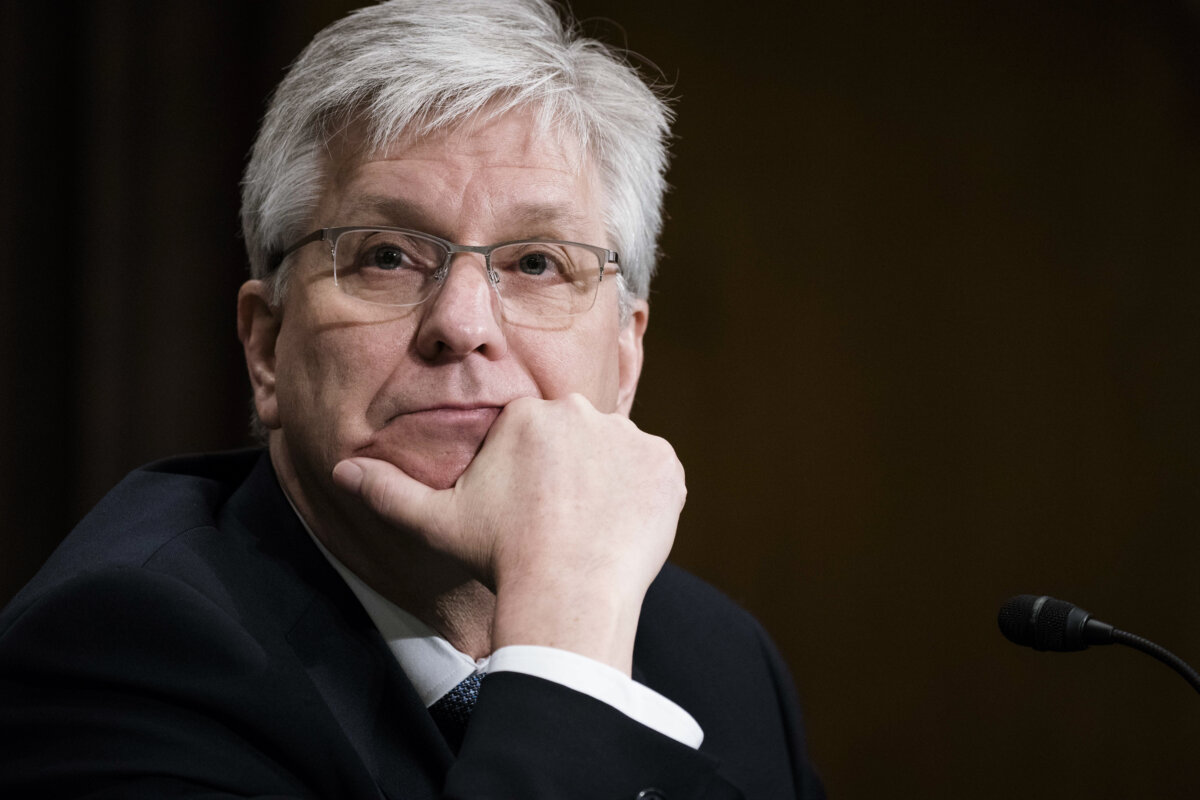
CME FedWatch data showed the implied probability of a quarter‑point cut at the next FOMC meeting jumping to above 80 percent, up from roughly 38 percent before the jobs report. Odds of a larger 50‑basis‑point cut, while still low, also edged higher as traders bet the Fed may need to move more aggressively if the slowdown accelerates.
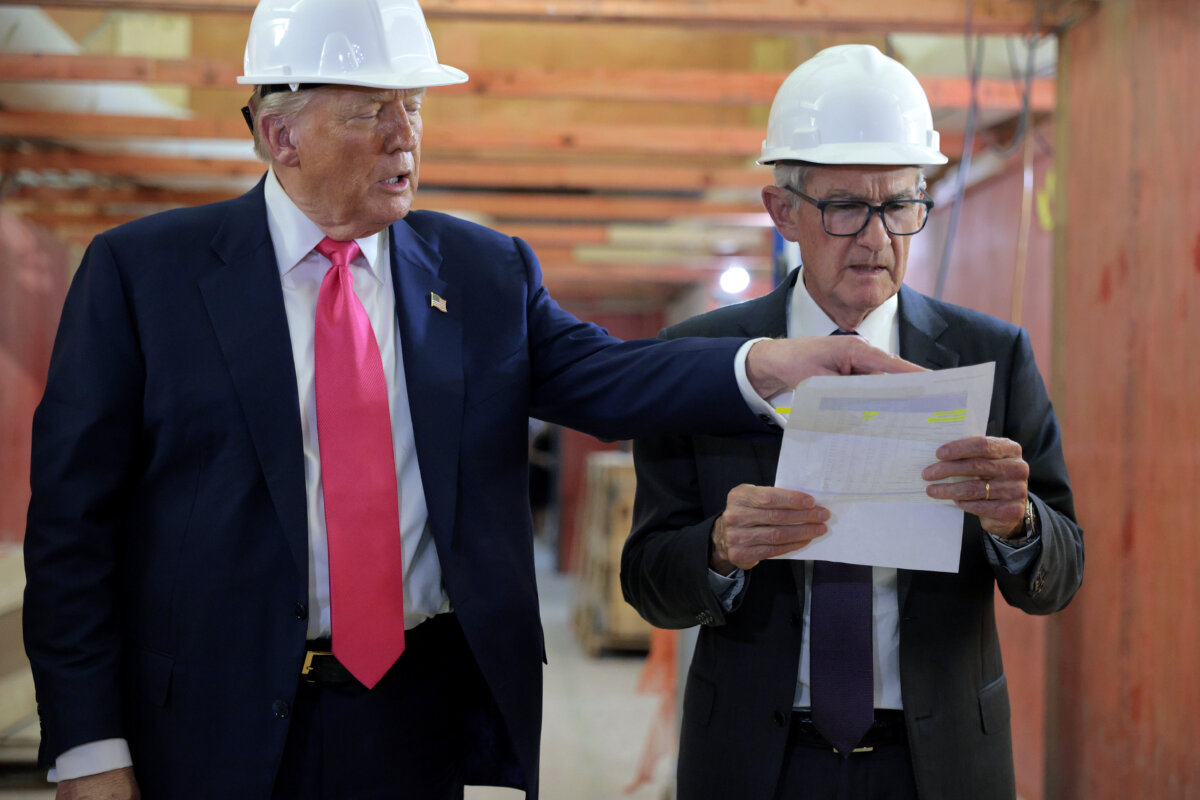
President Donald Trump praised Bowman and Waller’s stance on rates in a Truth Social post, describing them as “STRONG DISSENTS” and predicting that voices calling for rate cuts would only intensify.
The president also once again criticized Powell, calling him “stubborn” for not cutting rates and suggesting that the Fed board should “ASSUME CONTROL” and become more assertive in pushing for rate cuts. Trump has repeatedly called for aggressive cuts to as low as 1 percent, accusing Powell of being “too late” and “too political.”
In her statement, Bowman pointed to softening consumer spending, a cooling housing market, and elevated credit card use among lower‑income households as signs of waning demand.
Job growth, she said, remains moderate and concentrated in sectors less tied to the business cycle, such as health care and social services. She warned that while employers have so far resisted layoffs—a lingering effect of pandemic‑era labor shortages—that could change if demand weakens further.
“The labor market has become less dynamic and shows increasing signs of fragility,” she said, noting that the employment‑to‑population ratio has dropped this year and businesses are cutting back on hiring.
Waller said that, with core inflation near target and growth subdued, the Fed’s policy rate is well above where it needs to be. He noted that the median FOMC estimate of a “neutral” rate is about 3 percent, meaning current rates are more than a percentage point higher than what would be considered neither stimulative nor restrictive.
“The data imply the policy rate should be around neutral,” Waller said. “I see no reason that we should hold the policy rate at its current level and risk a sudden decline in the labor market.”
 Friends Read Free
Copy
Facebook
Tweet
Friends Read Free
Copy
Facebook
Tweet