
Several car makers reported a slump in electric vehicle (EV) sales in the United States in October—the first month without a federal tax credit.
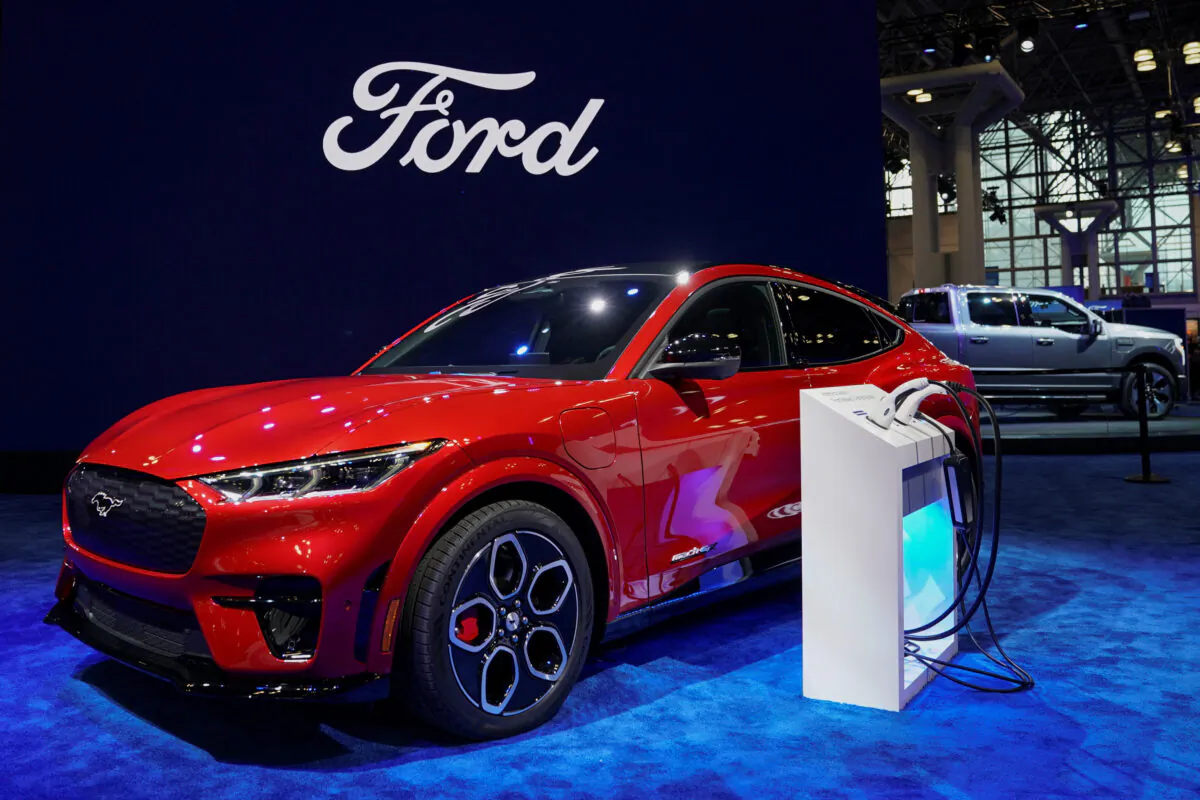
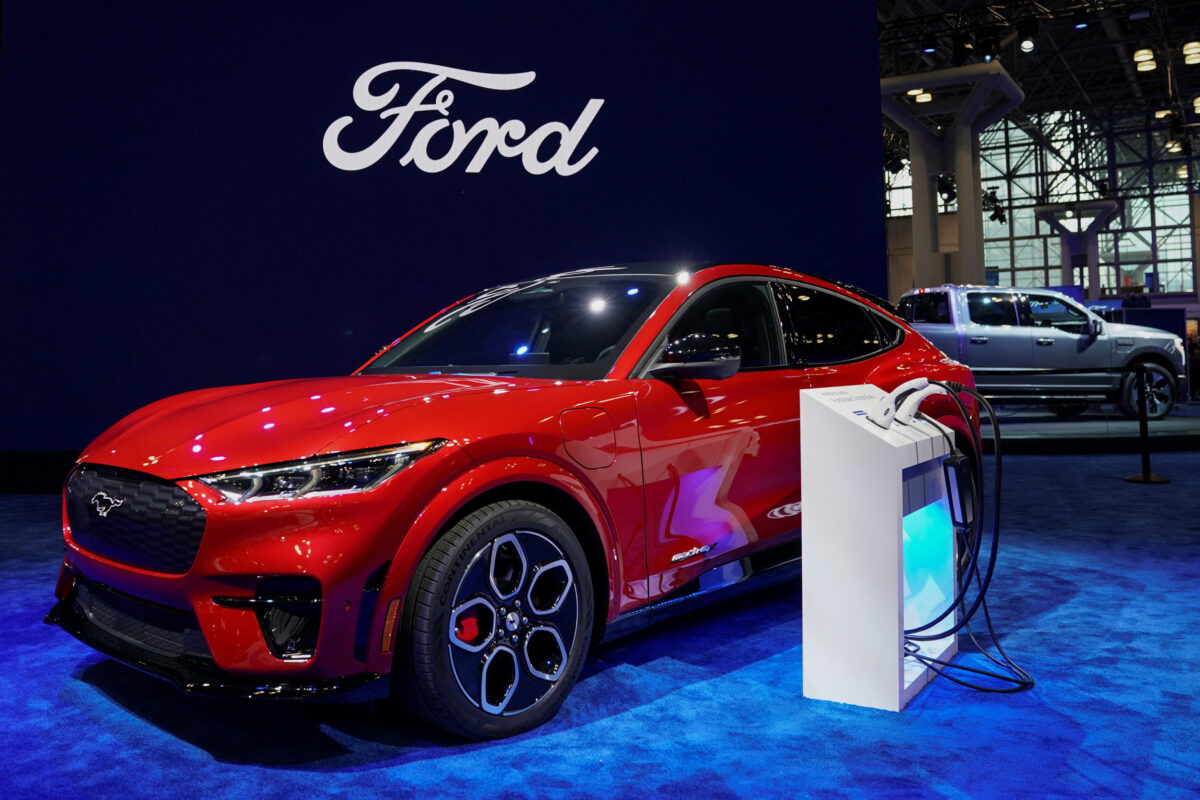
Dearborn, Michigan-based Ford on Nov. 3 reported that its October EV sales plummeted by nearly 60 percent from September, to just 4,709 units, while hybrid vehicle sales held steady at 17,498 units.
The company sold 1,543 Lighting electric half-ton trucks in October, down by 61 percent from September’s 3,957 units. It sold 2,906 all-electric Mustang Mach-Es, a 62 percent decrease from the 7,643 units sold in September.
Ford on Oct. 1 reported record EV sales for the third quarter, driven, in part, by the sale of 11,712 electric vehicles and 17,591 hybrid vehicles in September, as buyers scrambled to take advantage of the $7,500 New Clean Vehicle Credit before it expired on Sept. 30.
Hyundai Motor Co. on Nov. 1 reported that October sales of its Ioniq 5, Ioniq 6, and Ioniq 9 electric vehicles tumbled by 77 percent to 2,357 units from a record 10,297 in September. The South Korean automaker’s U.S. subsidiary is based in Fountain Valley, California.
“We saw strong EV demand leading up to the expiration of federal tax credits, and while that shift has temporarily disrupted the market, we’re confident it will reset,” said Randy Parker, president and CEO of Hyundai Motor North America.
Kia, in which Hyundai holds a 33-percent stake, reported similar results among its all-electric models. In September, Kia sold 3,094 EV 9 vehicles and 2,116 EV 6s, but those numbers dipped in October to 666 and 508, respectively—an overall month-to-month decline of 77 percent.
Jessica Caldwell, head of insights for car shopping guide Edmunds, said in a blog post on Nov. 3 that the Sept. 30 deadline of the federal tax credit clearly spurred a flurry of EV sales and that future sales may be directly correlated to financial incentives.
“With the credit now off the table, the market appears to be settling into a more natural rhythm,” Caldwell said. “October marks the start of a reset period: one defined less by incentive-driven urgency and more by buyers motivated by genuine interest in EV ownership.
“The coming months will serve as an important proving ground for the EV market as it adapts to life without the $7,500 federal credit.
“Automakers are already adjusting strategies: Some are extending lease programs or trimming [suggested retail prices], while others are introducing certified pre-owned EV programs and other offerings designed to make electric ownership more attainable.”
The widespread declines in EV sales were sharper than some industry expectations. Last month, Ford CEO Jim Farley predicted during Ford’s Pro Accelerate forum in Detroit that EV sales would be cut in half once the federal tax credit expired.
 Friends Read Free
Copy
Facebook
Tweet
Friends Read Free
Copy
Facebook
Tweet