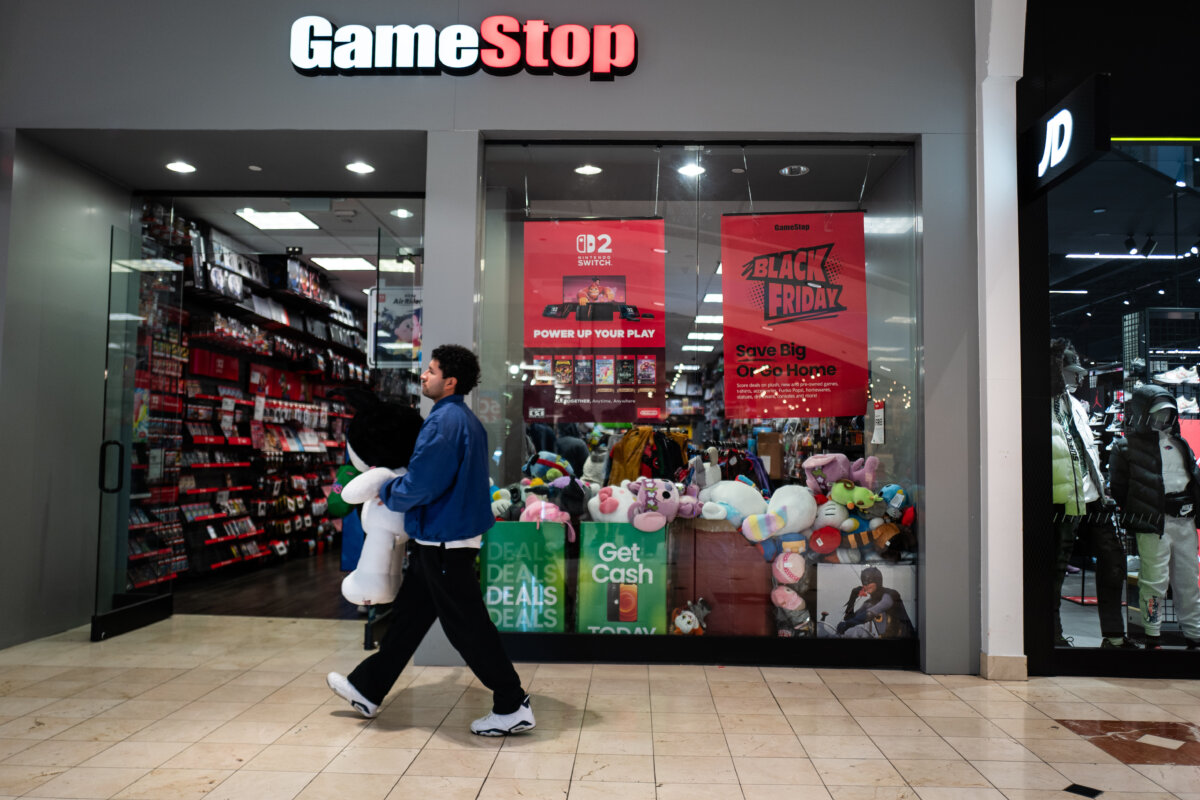

Video game retailer GameStop has proposed buying eBay in a $55.5 billion cash-and-stock deal.
In a May 3 announcement, GameStop offered to purchase the e-commerce platform at $125 per share, with 50 percent in cash and 50 percent in GameStop common stock.
The bid values eBay at a 20 percent premium to its May 1 close of $104.07. The offer is also almost 50 percent above the stock’s Feb. 4 price, when GameStop said it began accumulating a 5 percent stake through derivatives and common stock.
GameStop has stated that it believes it can deliver $2 billion in annualized cost reductions within 12 months of closing, focusing on administration, product development, and sales and marketing.
“Beyond cost, GameStop’s ~1,600 US retail locations give eBay a national network for authentication, intake, fulfillment, and live commerce,” the retailer said.
Ryan Cohen, who became CEO of GameStop in 2023, also wrote in a letter to eBay that he would not take a salary, cash bonus, or “golden parachute” if he heads the combined company.
“I will be compensated solely based on the performance of the combined company,” he said.
In a May 4 statement, eBay confirmed that it received the offer, noting that it had no discussions with or outreach from GameStop before the proposal.
In the meantime, in consultation with financial and legal advisers, eBay’s board will examine the deal and determine the best course of action for shareholders, the company said.
‘Good Blueprint’
GameStop stock is down nearly 7 percent as Wall Street has become skeptical it can follow through on the acquisition, as market watchers are befuddled by the math.
GameStop’s market value is slightly more than $11 billion, and its balance sheet is $9 billion. The company says it has secured a $20 billion financing letter from TD Bank, although it is not locked in.
Still, the retailer faces a funding gap of about $16 billion.
In an interview with CNBC’s “Squawk Box” on May 4, Cohen said the remaining sum could be filled in by issuing more shares, although he urged viewers to read the details on the GameStop website.
“It makes us one of the largest shareholders. So they have a fiduciary duty to their shareholders to evaluate this proposal,” Cohen said in the tense interview. “This is a business that is under-earning and can make a lot more money. And GameStop is a good blueprint for that.”
Cohen said that eBay should earn far more in the years ahead because it will be run more efficiently. He argued that with user growth stalled and $2.5 billion going into sales and marketing, there is significant excess spending to cut, and he said that the business can support more leverage as its profitability improves.
He also pushed back against some of the skepticism, pointing to past criticisms of GameStop.
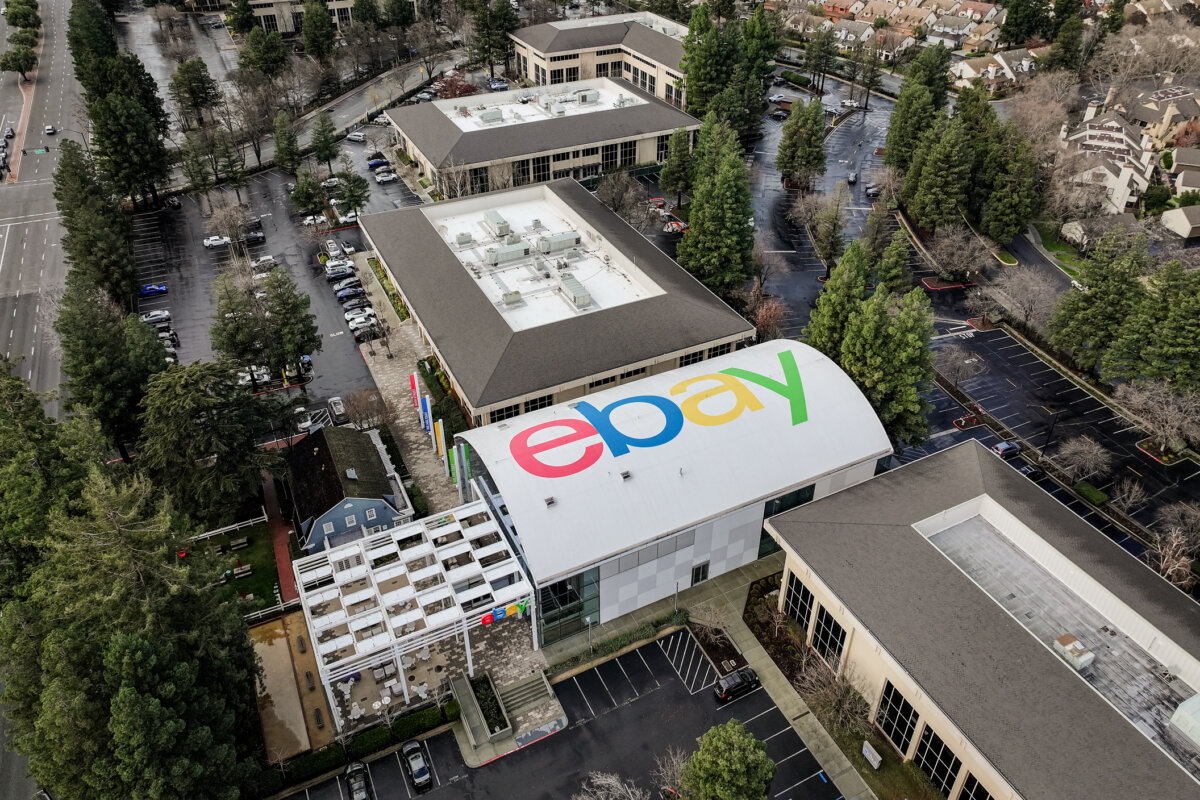
“Didn’t you guys call for GameStop’s demise multiple times? Like, it should have been bankrupt by now?” he said. “Look at our financial performance. Is it better than you guys anticipated? Because you guys said it was going to be doing really, really poorly, and it’s actually doing OK.”
During the retail-driven meme-stock frenzy in 2021, GameStop shares soared by 1,600 percent to an intraday high of $483. The mania eventually faded, and shares returned to pre-spike levels.
For now, the outlook is mixed for GameStop investors, since the purchase will require substantial financing and share dilution, according to Bernard Zambonin, equity research analyst at DM Martins Research.
“So it doesn’t surprise me that the initial market reaction, where GME shares didn’t skyrocket after-hours after the announcement, was more restrained,” Zambonin said in a May 4 note.
Shares of eBay rallied by about 6 percent to kick off the trading week, reaching about $110.
As for eBay shareholders, this would be a bullish move.
“I would say that for eBay shareholders, the market tends to think along the lines that maybe there might be a buyer willing to pay a lot more than the current price,” Zambonin said. “No wonder the knee-jerk reaction after the official announcement of GameStop’s intentions.”
Since its founding in the 1990s, eBay has experienced a roller-coaster ride. Over the past decade, the website has faced intense competition in the e-commerce space—at home and abroad—from rivals such as Amazon, Etsy, Walmart, and China’s Shein and Temu.
It has executed strategic moves in recent years by pushing “focus categories” and investing in artificial intelligence. It also bought Etsy’s secondhand clothing app Depop for about $1.2 billion.
 Friends Read Free
Copy
Facebook
Tweet
Friends Read Free
Copy
Facebook
Tweet