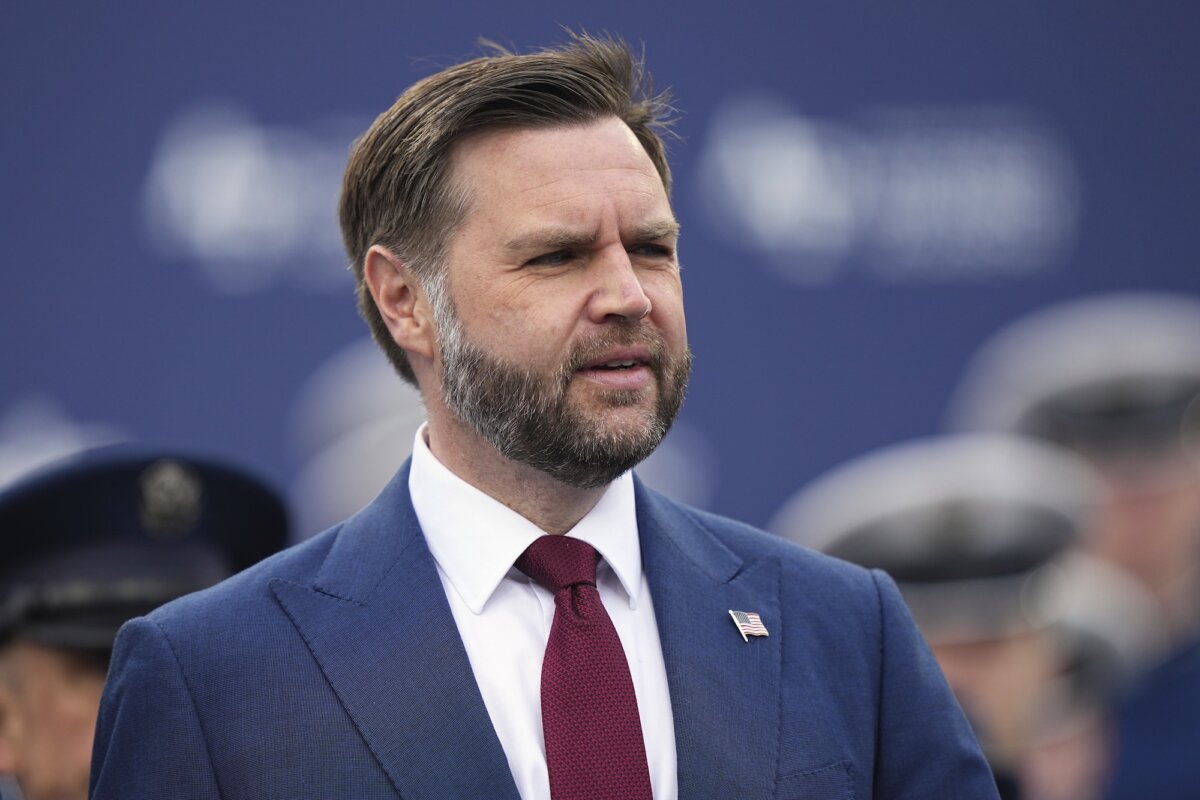

Details about the deal signed between the United States and Iran remained under wraps June 15, but U.S. Vice President JD Vance clarified Iran could have access to $300 billion in reconstruction funds if its leaders honor the agreement.
The two countries signed a preliminary memorandum of understanding (MOU) agreement June 14 to end military operations and reopen the Strait of Hormuz, while setting 60 days for negotiations to finalize the terms of removing the Iranian regime’s highly enriched uranium reserves and ending its atomic program, which remains a topic of tension.
When asked by CBS News’s Ed O’Keefe during a June 15 morning show about the funding, the vice president said there had been some “misreporting” about the agreement.
“Well, Ed, that’s the sort of thing they could have access to, funded by the Gulf Coast Coalition, so long as they honor their end of the obligation.”
The coalition is comprised of Gulf Arab nations interested in regional and economic stability and would not require U.S. funding.
Vance said the United States is most interested in Iran giving up its nuclear program and its stockpile of enriched uranium, and allowing international inspectors access to monitor compliance.
If those requirements are met, along with opening the Strait of Hormuz and meeting other conditions of the agreement, Vance said the United States would be amenable to Iran receiving financial aid from regional countries to rebuild after the war.
“We absolutely are open to the Gulf Coast countries investing in the reconstruction of Iran, but only if Iran ends their nuclear program, ends their enriched stockpile of material, and is really open to an inspection and enforcement regime that gives the American people confidence they’re never going to have a nuclear weapon,” Vance said.
Damage from the conflict by U.S. and Israeli military operations in Iran could range from $50 billion to $300 billion, the nonpartisan foreign policy think tank Foundation for Defense of Democracies estimated.
The most likely estimate is about $144 billion in economic damage, the foundation said. This range includes losses from crude oil revenue and the reconstruction of assets.
Vance also said the United States was working with the International Atomic Energy Agency (IAEA), an autonomous group within the United Nations that serves to prevent the proliferation of nuclear weapons, to ensure Iran destroys its enriched uranium stockpile.
Iran had limited full access to IAEA inspectors long before the conflict began in February.
On June 12, 2025, the IAEA formally declared that Iran was in breach of its non-proliferation obligations. The next day, Israel launched a military operation targeting Iran’s nuclear fuel sites. Iran then passed a bill that completely barred IAEA inspectors from accessing its nuclear facilities after the locations were bombed.
In October 2025, Iran declared that all restrictions on its nuclear program were void.
In its latest report on Feb. 27, the IAEA said Iran had cut off access to facilities producing and processing enriched uranium to inspectors for eight months. “During the current reporting period, Iran did not provide access to the Agency to any of Iran’s four declared nuclear enrichment facilities,” it said.
The IAEA added that it couldn’t verify if Iran had stopped its enrichment activities or verify the size of its uranium stockpile.
Vance said the agreement would ensure the United States would be present with IAEA inspectors to ensure Iran destroys its highly enriched uranium.
“The U.S. will be there to confirm and ensure that [uranium] will be destroyed,” Vance told CBS News. “We have comprehensively destroyed their nuclear program. This agreement is about ensuring they don’t rebuild it.”
Sen. Lindsey Graham (R-S.C.) expressed concern in a social media statement over the weekend after hearing the agreement could include a $300 billion reconstruction payment to Iranian leaders, calling the idea “tone deaf.”
After hearing Vance clarify the details of the agreement on June 15, Graham said the agreement could lead to “broader peace.”
“The proposal as envisioned by the Vice President and the Trump Administration to end the Iranian conflict would be transformative for the region and a major achievement, leading to broader peace,” Graham posted on X. “I look forward to reviewing the actual document rather than relying on Iranian propaganda reports. The sooner it is released, the better.”
President Donald Trump and Vance digitally signed the MOU with Mohammad Bagher Ghalibaf, speaker of the Iranian Parliament, on June 14. An official signing ceremony is planned to take place in Geneva on June 19.
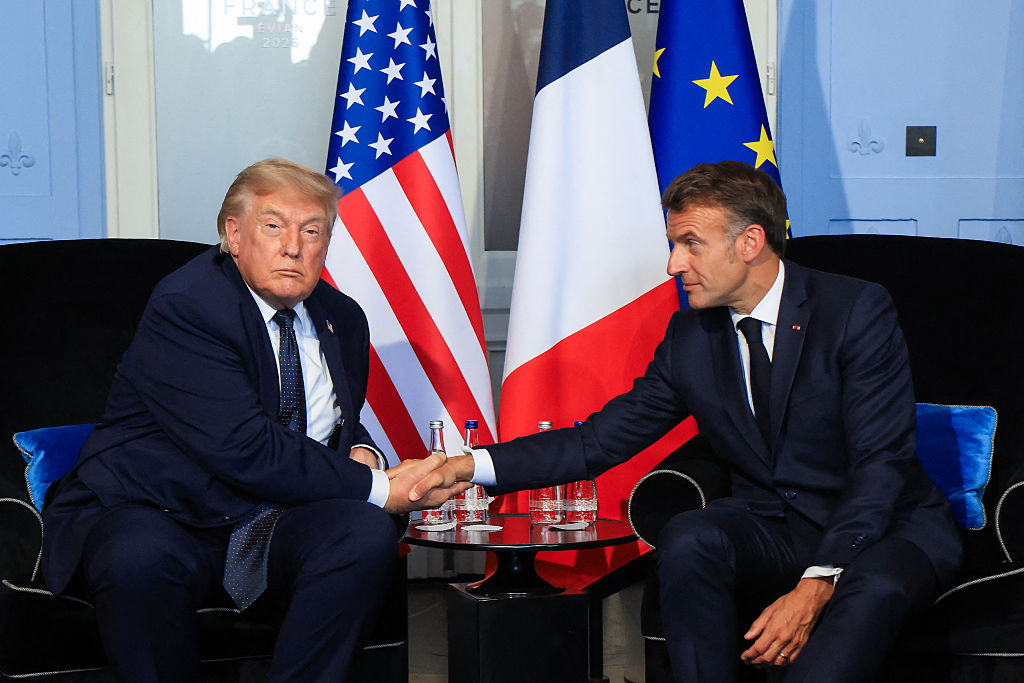
Trump discussed the scope of the agreement during remarks following a meeting with French President Emmanuel Macron in Évian-les-Bains, France, during the G7 summit on June 15.
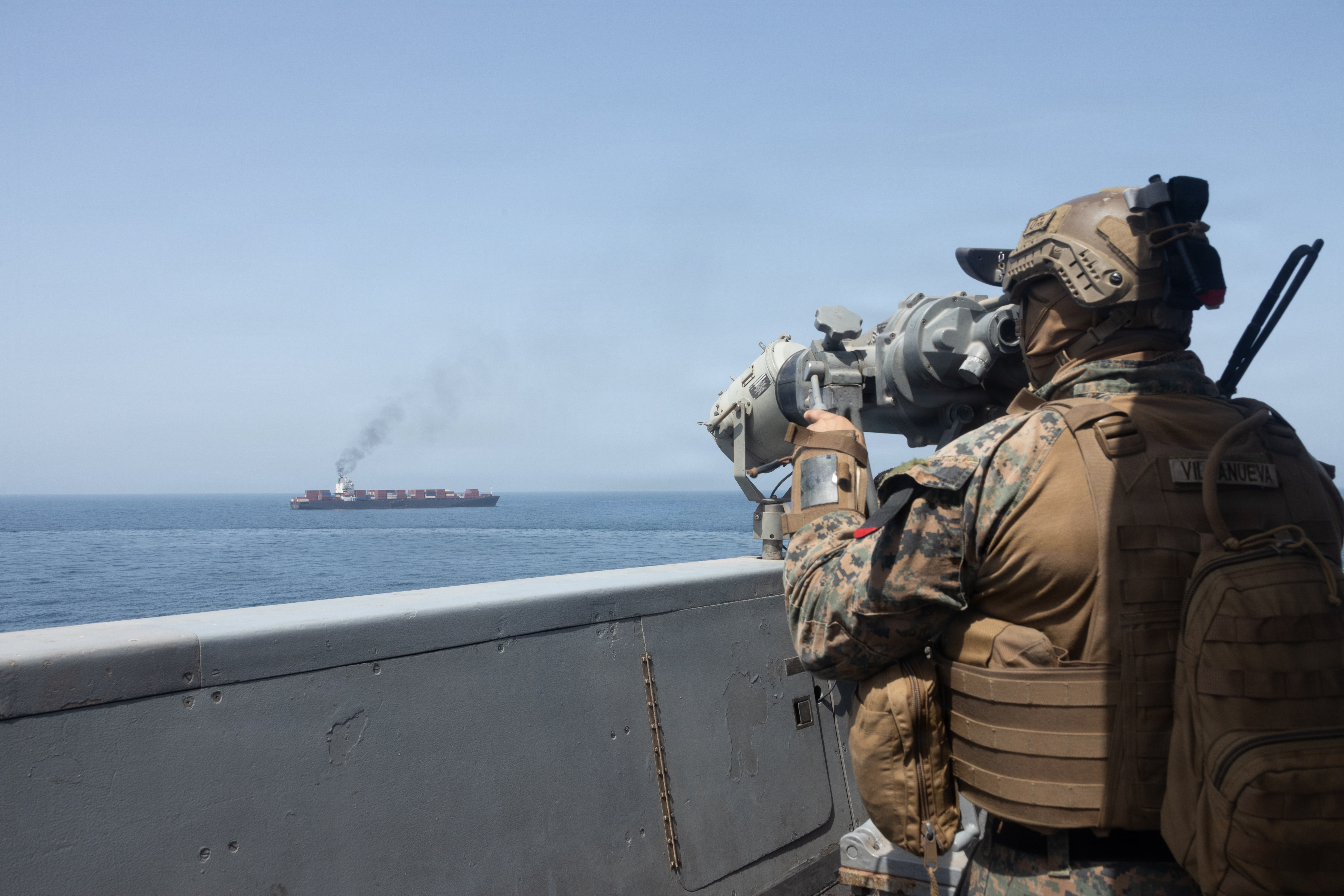
The plan calls for the United States to continue to station its military force around Iran while negotiations proceed, Trump said.
The U.S. president said he expects the Strait of Hormuz to be “completely opened” in five days and that ships are starting to move through the passage.
 Friends Read Free
Copy
Facebook
Tweet
Friends Read Free
Copy
Facebook
Tweet