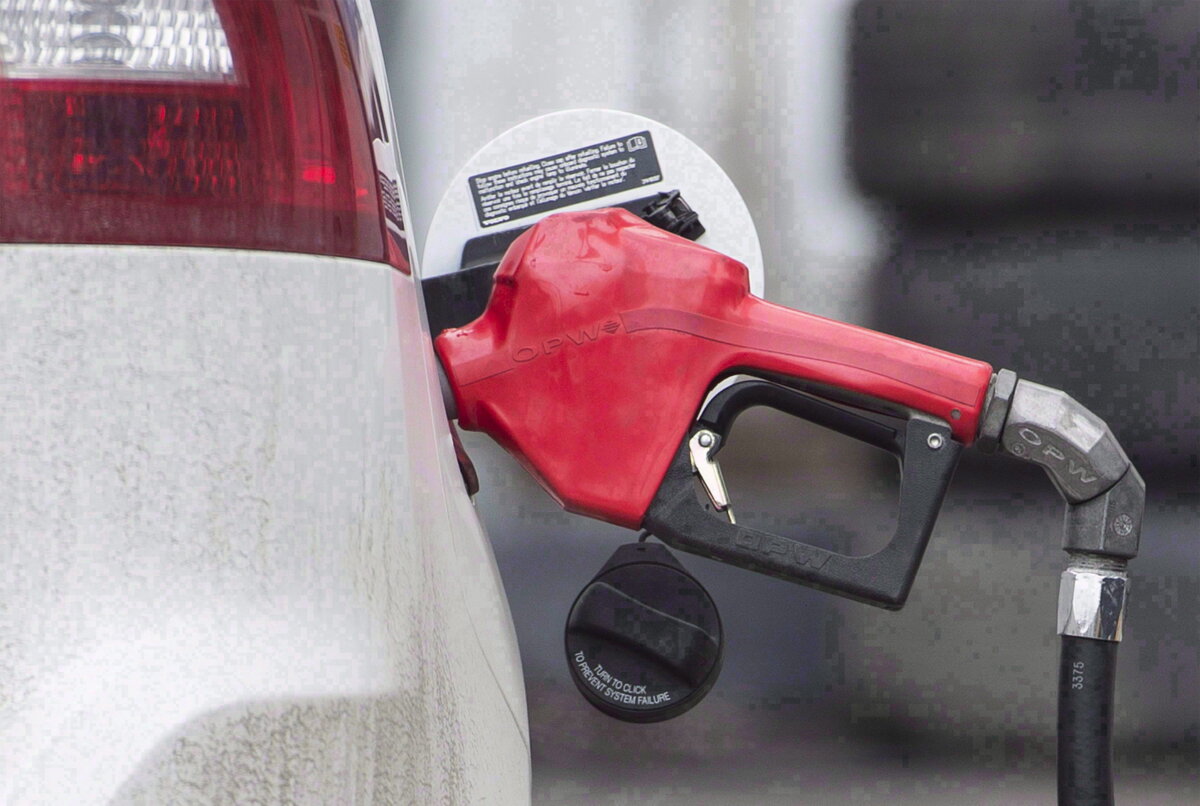

With the United States and Iran set to sign an agreement that could completely reopen the Strait of Hormuz to oil tankers, Canadians may still not see energy prices meaningfully fall any time soon.
A memorandum of understanding (MOU) between Iran and the United States, to be officially signed on June 19, is set to reopen the Strait, a waterway through which around 20 percent of global oil and gas supplies run. Tehran has severely disrupted the flow of ships through the Strait since March.
But this deal may not provide immediate substantial relief for Canadians at the pump, according to Canadians for Affordable Energy President Dan McTeague, who says it will take six or seven months to replenish global oil inventories that have already been drawn down to critical levels.
McTeague said Canadians can expect gas and diesel prices to remain elevated in the short-term, and potentially rise much higher as oil traders realize the “disconnect” between current prices and the cumulative shortage of 1.6 billion barrels of oil.
“The reality is that it’s going to take a long time to get back to where we were just a few months ago, given the extensive lag time and damage that’s been done in terms of production fields as well as transportation,” he said.
US–Iran War
After the United States and Israel launched air and missile strikes on Iran in late February, Iran responded by virtually shutting down the Strait of Hormuz by attacking ships attempting to cross. While the United States has attempted to help ships cross the waterway, overall shipping flows have been dramatically reduced.
The United States and Iran are set to sign an MOU on June 19 in Switzerland, which reportedly includes Iran reopening the Strait and the United States ending its naval blockade of Iran. The two countries will then enter into 60 days of negotiations on issues like Iran’s nuclear program.
While West Texas Intermediate oil prices have fallen from around US$110 in April to around $US80 currently, McTeague said the pricing of futures markets do not reflect the current oil deficit. With approximately 14 million barrels of oil offline during the closure of the Strait compared to global consumption of over 100 million barrels per day, the energy crisis caused by the Iran war is larger than the prior three global energy crises of 2022, 1979, and 1973.
McTeague said oil prices have been kept relatively low due to China reducing its imports, International Energy Agency countries agreeing to release 400 million barrels from their emergency oil stockpiles, and U.S. President Donald Trump’s repeated announcements of imminent peace that have “discouraged a lot of other people from taking [long] positions on oil.”
McTeague said the futures markets have been “on happy pills for the past several weeks” when it comes to oil prices, and have not taken into account how long it will take for oil tankers to refill at ports in the Middle East and travel to their destinations, or for energy facilities destroyed in the war to be rebuilt.
When it comes to the U.S. Strategic Petroleum Reserve, which recently hit its lowest levels since 1983 of around 349.5 million barrels, McTeague said that “problems” would emerge if the levels reached around 250 million to 300 million barrels. Many of the oil reserves are kept in massive underground salt caverns, which need a minimum amount of oil to maintain adequate pressure to avoid degrading.
Canadian Gas Prices
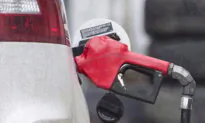
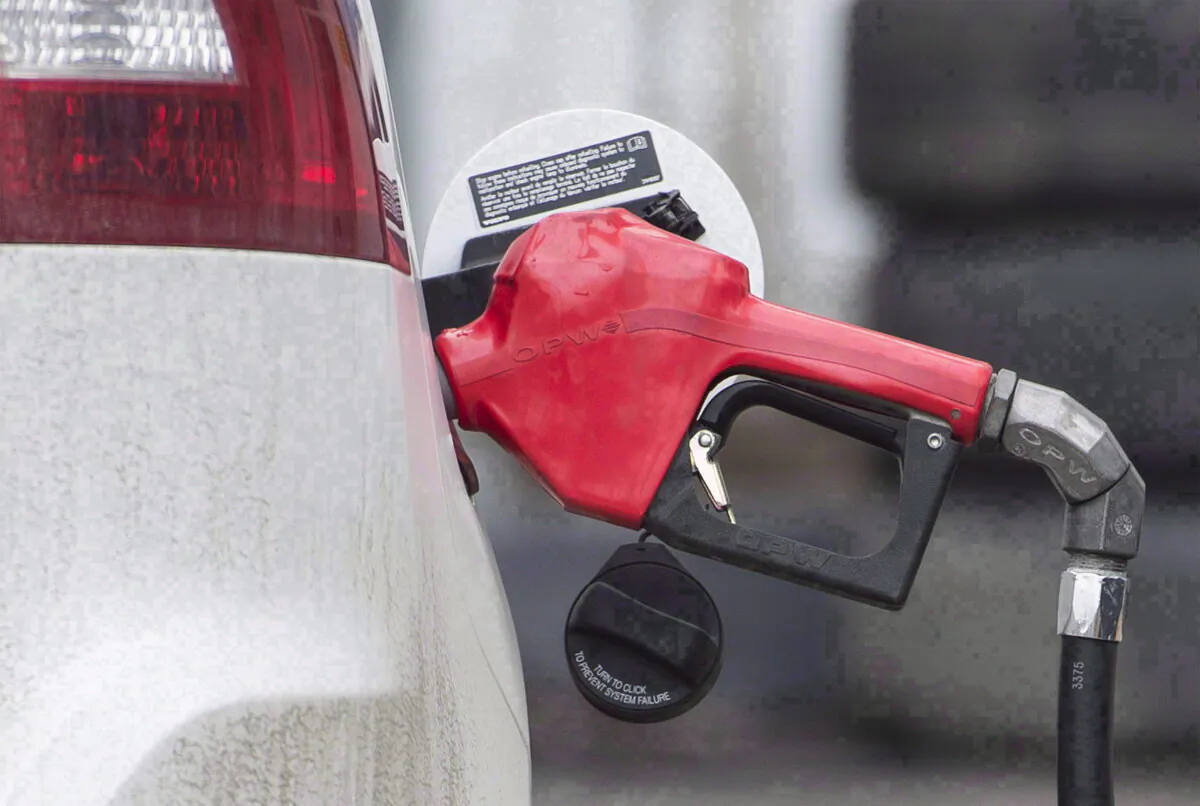
While McTeague said that he believes gas prices could come down this week in anticipation of the U.S.–Iran agreement, on a longer-term basis, “higher sustained, supported prices are here, inevitably, regardless of what the Wall Street day traders and computer whizzes want to think.”
McTeague said he foresees gas prices remaining above $1.60 a litre for Canadians for the mid-term. He also noted that the Liberal government’s temporary suspension of the federal fuel excise tax in April, which was expected to lower gas costs by 10 cents per litre on regular gasoline and 4 cents on diesel, will be lifted on Sept. 7.
“Sooner, and I think not later, markets are going to have to say, ‘hang on a second, here we have a very serious shortage, and it cannot be repaired by lower prices or playing this speculative short-selling game that we’ve seen being led by the Trump administration,’” McTeague said.
McTeague said that sustained higher oil prices will lead to higher inflation for Canadians, particularly when it comes to the “global workhorse” of diesel, which is used for transporting goods and in farming equipment.
Trevor Tombe, a professor in the University of Calgary’s department of economics, told The Epoch Times that the longer the Strait of Hormuz remained closed, the higher oil prices would rise. But he also said that Canada is one of the few countries that benefits from higher oil prices, particularly in the energy-producing provinces of Alberta, Newfoundland and Labrador, and Saskatchewan.
“As an individual, you’re certainly strained at the pump, no question. Household budgets are challenged when energy prices are high, but GDP growth tends to increase because we generate more income when the price of something we export a lot of rises,” he said.
 Friends Read Free
Copy
Facebook
Tweet
Friends Read Free
Copy
Facebook
Tweet