
Businesses, especially small ones, are facing a growing number of lawsuits related to the Americans With Disabilities Act (ADA), costing them tens of thousands of dollars in settlements and fines and even forcing some to go out of business, according to business owners, advocates, and lawmakers. California leads the nation in the number of such lawsuits, they say.
The ADA, passed into law in 1990, is designed to protect people with disabilities from discrimination, as well as guarantee them the same opportunities as everyone else when it comes to employment, housing, purchasing goods and services, and other aspects of daily life.
The law also requires that businesses and workplaces be compliant with requirements for those with disabilities, such as providing accessible parking, wheelchair ramps, service counters with accessible sections, and restrooms with wider doors and grab bars.
Small businesses in the Golden State are receiving letters from attorneys claiming they are not compliant with ADA regulations and could be subjected to a lawsuit.
‘I Had No Idea’
Taha Saleh owns several gas stations and convenience stores throughout the state and has faced threats from attorneys alleging that some of his businesses were not ADA compliant. He recently discussed this matter with Siyamak Khorrami, host of EpochTV’s “California Insider.”
Saleh said his landlord received a letter from a lawyer stating that they were being sued for noncompliance with ADA regulations in 2021.
“I thought I was in compliance, so it was a bit of a surprise,” he said. “I was worried—I didn’t know what was going to happen.”
Among other items, the attorney’s letter stated that the slope of the wheelchair ramp in front of the store was incorrect and that a new ramp with the proper slope was needed.
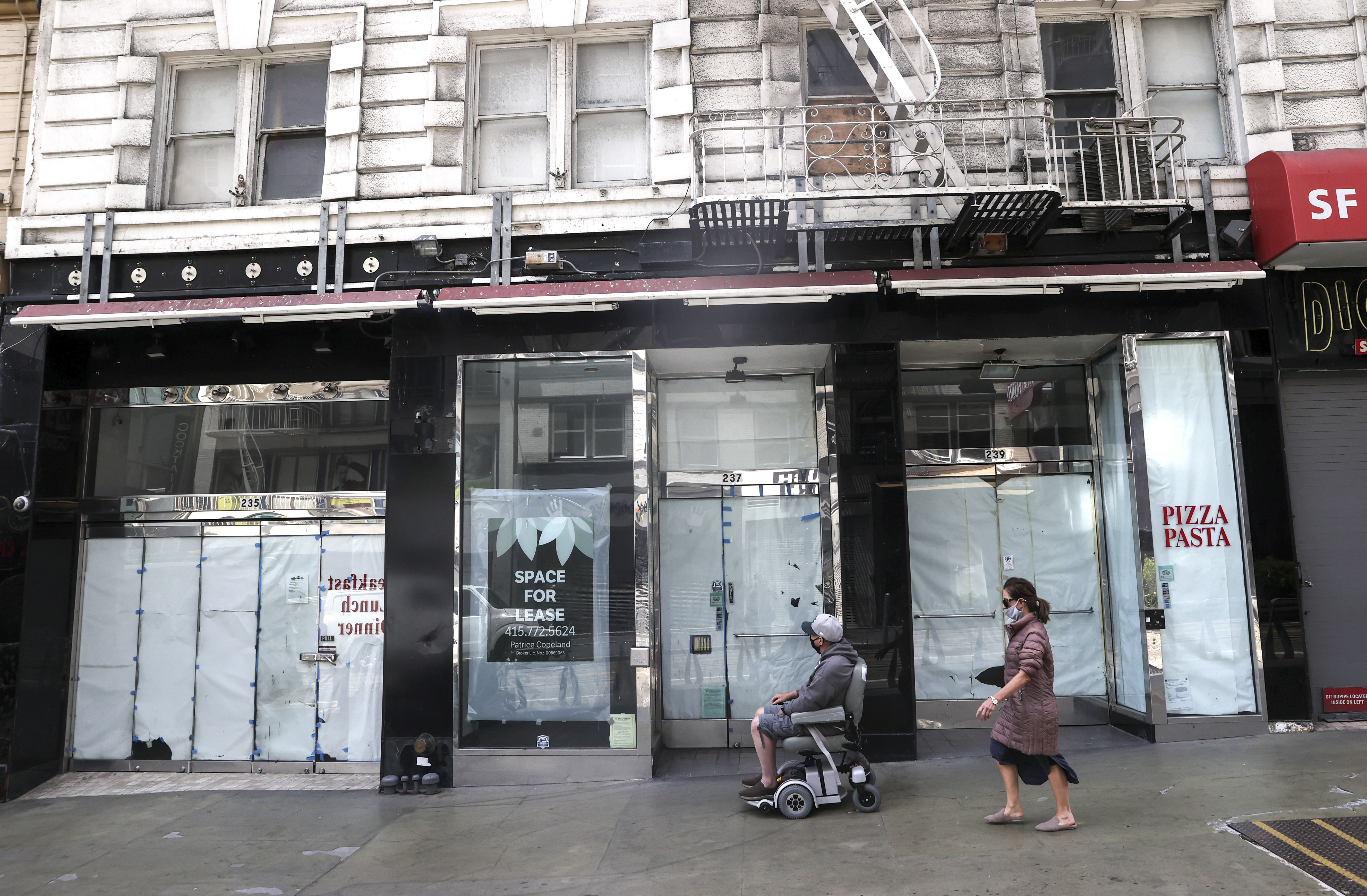
“I had no idea,” Saleh said. “Things change, code changes, so when you’re in compliance at one point, sometimes something changes … and you’re out of compliance, and there’s no way for you to know when that changes.”
Saleh and his landlord hired their own attorney to negotiate the cost of violation fines and plan the necessary upgrades. “I was just really worried about [how] I would operate moving forward. Just a lot of unknowns,” he said. “It’s stressful.”
Making ‘a Quick Dollar’
Saleh said the purpose of many of these lawsuits was to get storeowners to agree to settle the case, and businesses usually do. “They start with the hyperbolic number. It’s millions or whatever if you don’t settle. Because they want you to settle,” he said.
Saleh said the cost of noncompliance was between $4,000 and $5,000 per infraction, with a stipulation that businesses must complete all necessary upgrades in a year. But the attorneys were not focused on whether the upgrades were done, he said.
“I know stores who paid the fine and didn’t get it done for a couple years, and nobody said [anything] because they had their money and they were gone,” Saleh said. “So that to me proves that [it] wasn’t about being in compliance. It’s about how they can make a quick dollar and move on.”
Saleh said he ultimately paid nearly $40,000 in fines and for the upgrades, adding that going to court would have cost much more than settling and making the upgrades.
He is now a member of the California Fuel and Convenience Alliance, where he can meet with other members and keep track of any upcoming ADA changes that could affect his businesses.
“Whenever lawsuits and payouts come out, it costs everybody,” Saleh added. He said that could mean delaying other upgrades or hiring plans, as well as possible price increases for consumers.
He said business owners who don’t have the funding to make the required adjustments to their properties to become ADA-compliant may have no choice but to shut down their businesses.
“I’m sure there are places that didn’t make it,” Saleh said. “They’re like, ‘I can’t do this, I have to shut down.’”
Mass Lawsuit Filing
Victor Gomez, executive director of Citizens Against Lawsuit Abuse, told Khorrami that lawsuits regarding alleged ADA violations are escalating throughout Los Angeles and the state. He quoted a recent Los Angeles Times report about one attorney filing more than 1,000 ADA-related lawsuits.
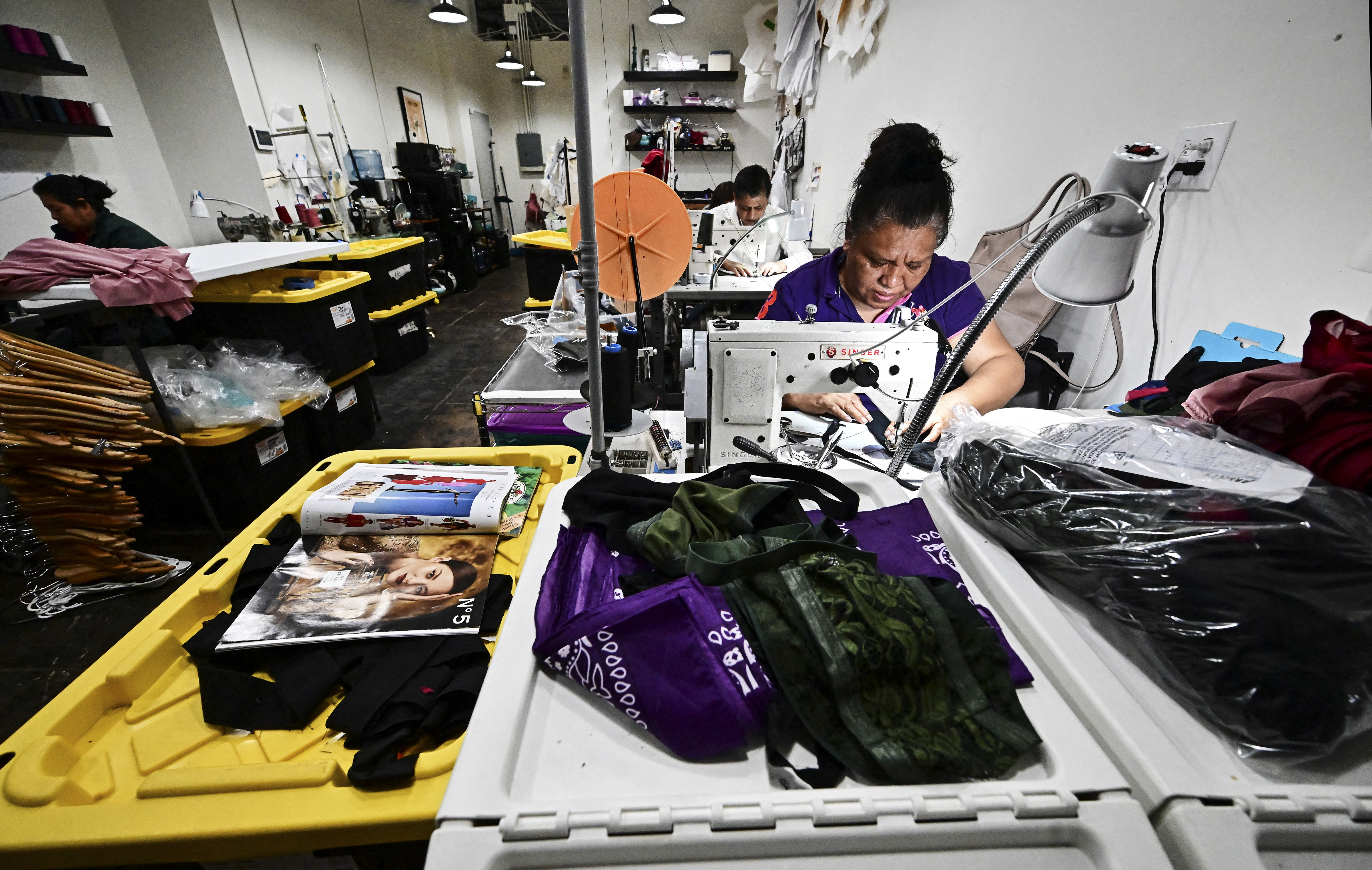
Gomez gave an example of a parking space assigned for those with disabilities. “Those have specific requirements that have to be met by federal law, and even if you’re off a little bit, it triggers a lawsuit,” he said. Even a shop or restaurant’s bathroom sink that’s an inch too high could be subject to ADA violations, he added.
In addition to adhering to ADA requirements, Gomez said, businesses are also subject to California’s Unruh Civil Rights Act, which provides individuals protection from discrimination in housing and public accommodations because of disabilities, age, ancestry, national origin, sex, and sexual orientation.
“Unfortunately, because of that, a third of all nationwide accessibility lawsuits are in California,” he said. “Specific to ADA access, California has created that perfect environment where you could actually sue that coffee shop right down the street from you.”
As a result, he noted, the business owners typically can’t afford to spend thousands of dollars hiring an attorney and going to court. “In many cases these lawyers will say, ‘Well, give me $10,000 or give me $5,000 and I’ll walk away.’ But unfortunately, that doesn’t fix anything.”
Gomez said most business owners are willing to work with people with disabilities so that they can patronize their business, and at the same time avoid a frivolous lawsuit.
Establishments other than private businesses are also being targeted, Gomez noted. “In many cases it could be a school, it could be a school district, it could be a city that may not be in full compliance, where their buildings aren’t perfectly accessible,” he said.
The bottom line, he indicated, is that many attorneys are not interested in fixing the issue, but are just “preying” on small businesses.
“They could care less if the accessibility is there for that person or not,” he argued. “They just want to be able to file the lawsuit, get their money, and walk away. So what better way to do it for them than to target generally ethnically owned businesses?”
In addition to L.A.’s ethnic communities, Gomez said San Jose’s Vietnamese community is being hit hard, while in San Francisco, Filipino and Chinese business owners are repeatedly targeted. Gomez refers to it as a professional “shakedown,” especially among small business owners who may not understand the law and for whom English may not be a primary language.
Changing the ADA
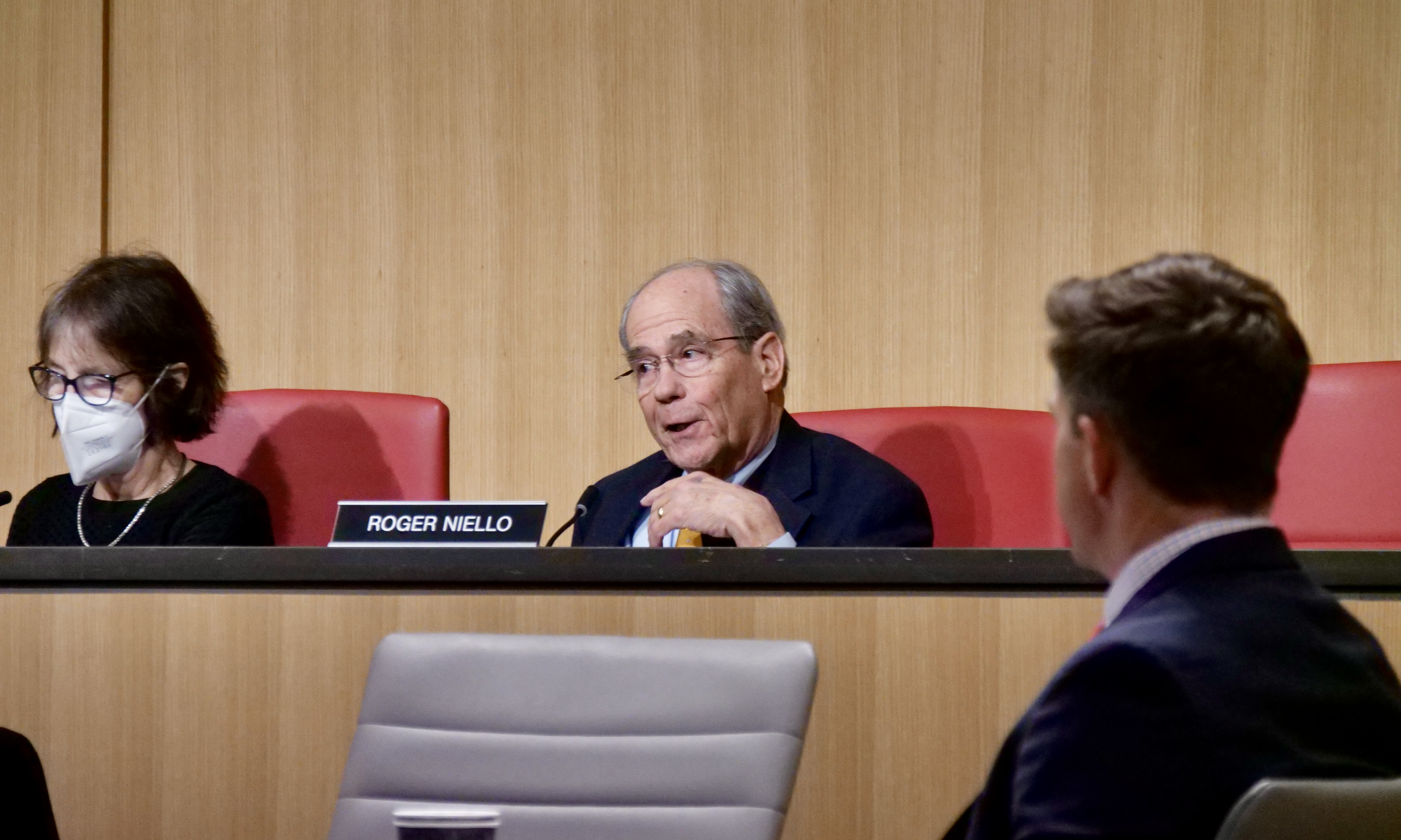
California state Sen. Roger Niello, also featured on the show, told Khorrami about his proposal to change the ADA in light of these escalating lawsuits.
“There are two or three, maybe four law firms in California that make, essentially, a cottage industry … of suing businesses for alleged violations of disability access,” he said. “They issue a threat to sue, and the businesses will settle that threat before the suit, because for $10,000 or $15,000, they can avoid going to court.”
Often, Niello noted, smaller businesses in disadvantaged areas are targeted and intimidated by the legal process, whether the defects even exist or get fixed. “There are far more of these suits and settlements in California than any other state in the country, and businesses are tired of it,” he added.
Niello’s bill states that if a business receives a letter threatening a lawsuit, the business has 120 days to fix an alleged defect and cannot be fined or sued. A similar State Assembly bill requires businesses to have an inspection by a certified access specialist (CASP), which would shield them from any liability.
“The problem is there are 900 CASP inspectors in the state of California, and almost 4 million businesses—it is unworkable,” he stated. “There [are] other clauses in that bill that make it problematic too, but [it] did pass out of the Assembly.”
Currently, Niello said his bill has passed the Senate and is under review at the Assembly. But lawmakers are at a standstill because Niello is reluctant to add a CASP amendment onto his bill.
Niello is hopeful that the legislation will pass this year, and if not, he will bring it up again next year. This is the second time he has offered the bill since 2022.
Gomez’s group is also working with the state legislature to reduce frivolous lawsuits while upholding the rights of disability advocates.
“It’s a good law,” Saleh agreed. “It’s a law that’s made to protect people, to protect some of the most vulnerable members of our society. I think where we’ve gone wrong is when we take something that’s meant to do good, and we find actors that want to exploit it.”
 Friends Read Free
Copy
Facebook
Tweet
Friends Read Free
Copy
Facebook
Tweet