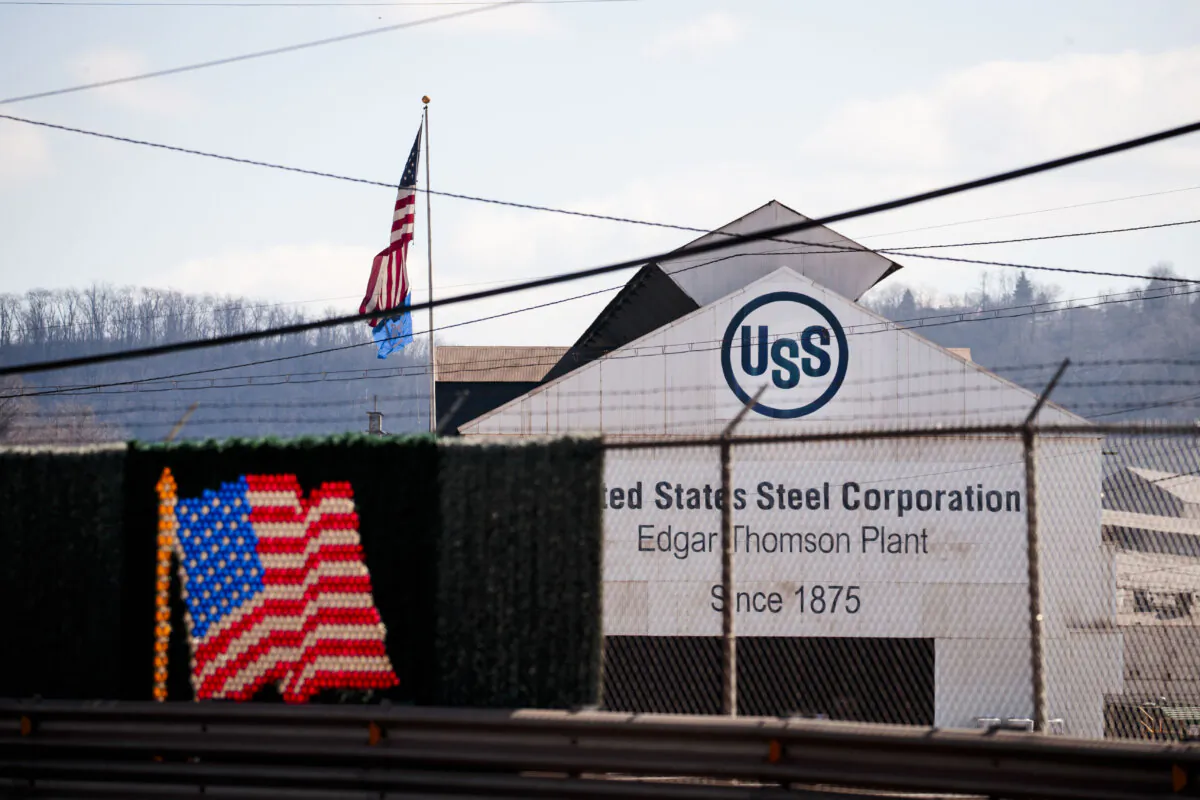

U.S. Steel, the U.S. subsidiary of Nippon Steel, has announced that its Japan-based parent company will double its investment in its Pennsylvania facilities over the next three years, which is expected to modernize the U.S. steel producer and revitalize the local economy.
According to an updated economic impact analysis released by U.S. Steel on June 8, the planned capital investment for its steelmaking facility in Mon Valley is now expected to cost up to $2.5 billion.
The investment is projected to generate $1.7 billion in economic impact for the Commonwealth through 2028, including up to 6,381 jobs. It will also generate an estimated $58 million in state and local taxes.
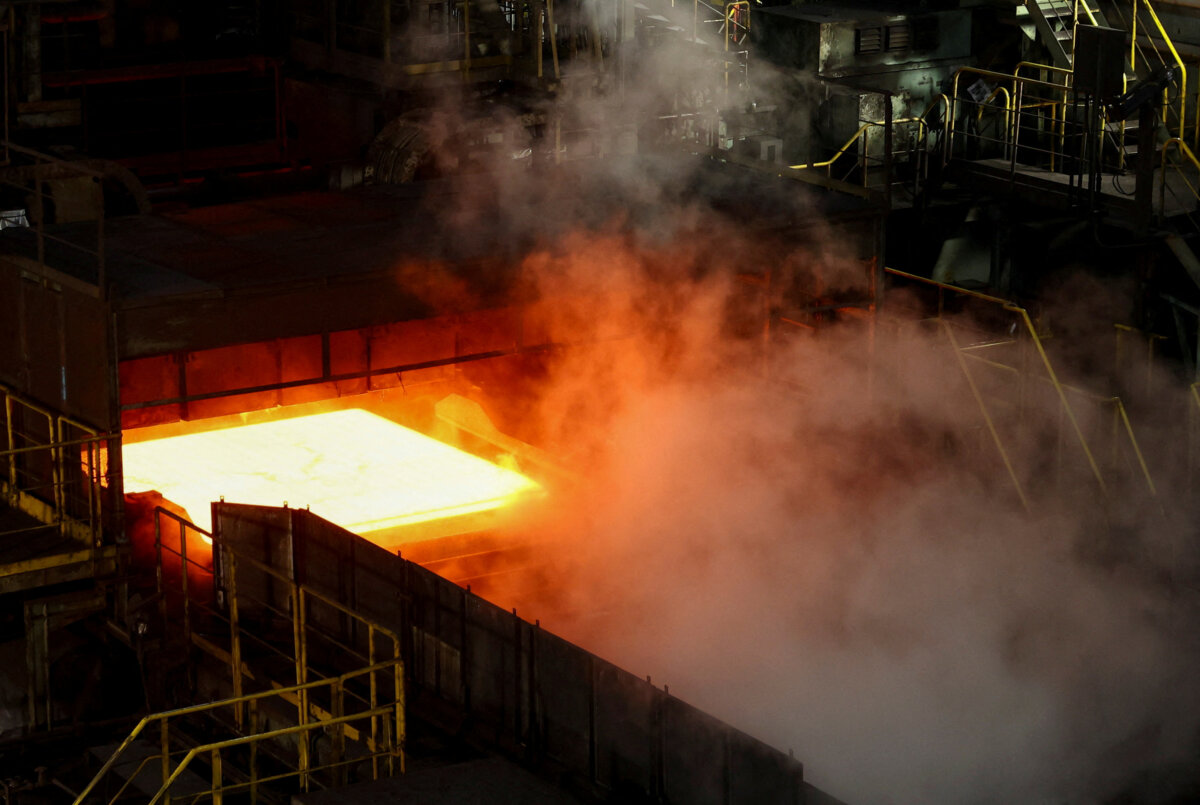
The modernization plan for U.S. Steel’s Mon Valley Works Edgar Thomson Plant in Braddock, Pennsylvania, includes the construction of a new hot strip mill to replace the 87-year-old mill at Irvin Plant, which is to be decommissioned. Improvements are also planned for related Mon Valley Works facilities, such as a new slag recycler to support the hot strip mill.
The investment will bring about a “new era of steelmaking” to the Mon Valley, U.S. Steel stated in its announcement. The upgrade will increase the range of steel products produced, including for automotive and high-value markets.
“The Mon Valley Works is where the American steel industry was first forged, and this investment is proof that its best days are still ahead,” U.S. Steel CEO David B. Burritt said. “This investment means thousands of good-paying jobs protected, a world-class facility, and steel that will supply American automakers and manufacturers for generations. This is what investing in America looks like.”
The Mon Valley Works Edgar Thomson Plant played a significant role in U.S. industrialization and was recognized as a historic landmark by ASM International. It traces its origins to the Edgar Thomson Steel Works, Andrew Carnegie’s first steel mill, which began production in 1875.
In 1901, banker J.P. Morgan merged Andrew Carnegie’s Carnegie Steel Co. with nine other steel companies to form what became U.S. Steel.
Once-thriving steel-producing communities across the United States have suffered economic decline due to decades of globalist policies that fostered unsustainable competition with producers such as China.
For four decades, sharp employment declines across U.S. manufacturing left aging infrastructure and struggling communities in their wake, with towns such as Braddock ranking among the nation’s poorest.
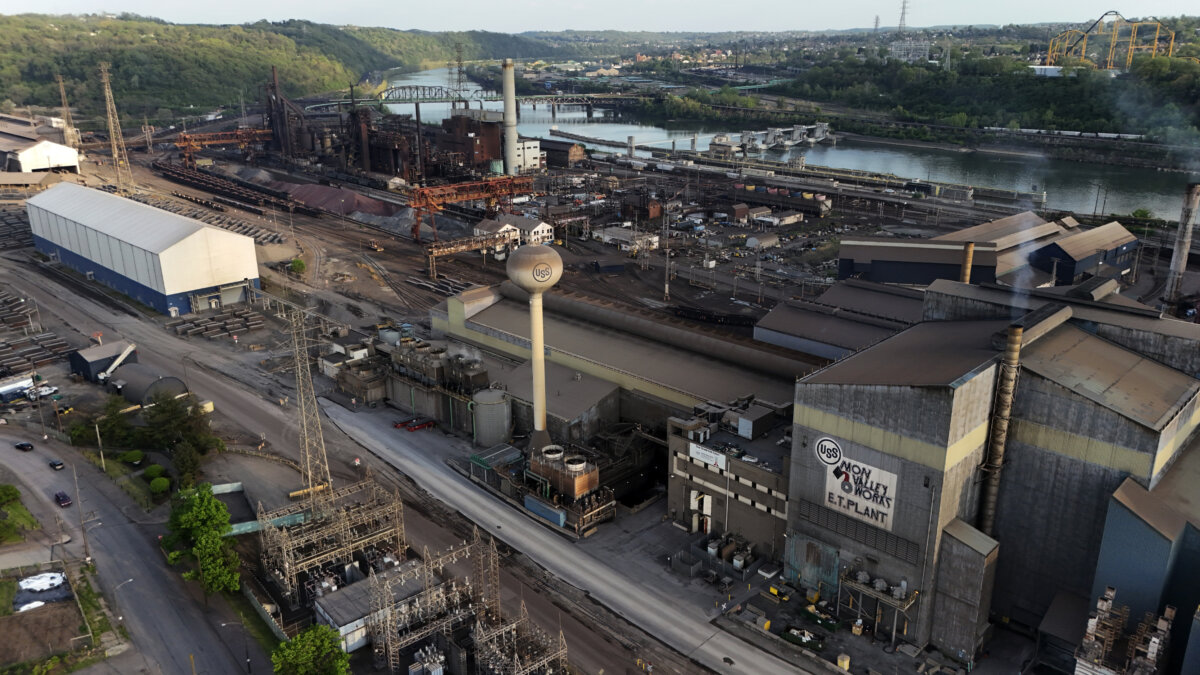
New investment will likely extend the life of the steel works facility for decades to come.
“A world-class facility like this strengthens our ability to meet customer demand for steel that is mined, melted and made in America, while creating lasting economic opportunities for the people and communities connected to this region,” Scott D. Buckiso, executive vice president and chief manufacturing officer for U.S. Steel’s North American Flat-Rolled segment, said of the company’s plans.
Projected Investment Doubled
The updated projections, conducted by Parker Strategy Group, double the minimum $1 billion investment that U.S. Steel first announced in 2019 to modernize the steelmaking complex at Mon Valley, which included technology upgrades from Japan for endless casting and rolling to boost efficiency and quality, while reducing emissions.
U.S. Steel canceled the upgrade in 2021, citing capital reallocation toward sustainability goals such as net-zero by 2050 and other priorities under the Biden administration. In 2023, Nippon Steel announced a $14.9 billion deal to acquire U.S. Steel, bringing the capital needed to avoid the looming closure of Pennsylvania’s last steel producer, which has operated for more than 150 years. Nippon in August 2024 also promised to match U.S. Steel’s earlier $1 billion investment commitment for Mon Valley Works.
Both the outgoing Biden administration and then-President-elect Donald Trump opposed the acquisition by Nippon on national security grounds. Once back in office, Trump approved the acquisition after negotiating for the Tokyo-based company to commit to big investments in U.S. Steel while rolling out his 50 percent U.S. tariffs on steel imports.
“Nobody’s going to get around that,” Trump said at the time of his tariff policies.
The deal was finalized in June 2025 to address national security concerns, with U.S. Steel becoming a wholly owned subsidiary of Nippon Steel North America as part of a partnership with the U.S. government. Washington would retain a “golden share” over governance, with a U.S. CEO/board majority and U.S. executive veto power over key management decisions.
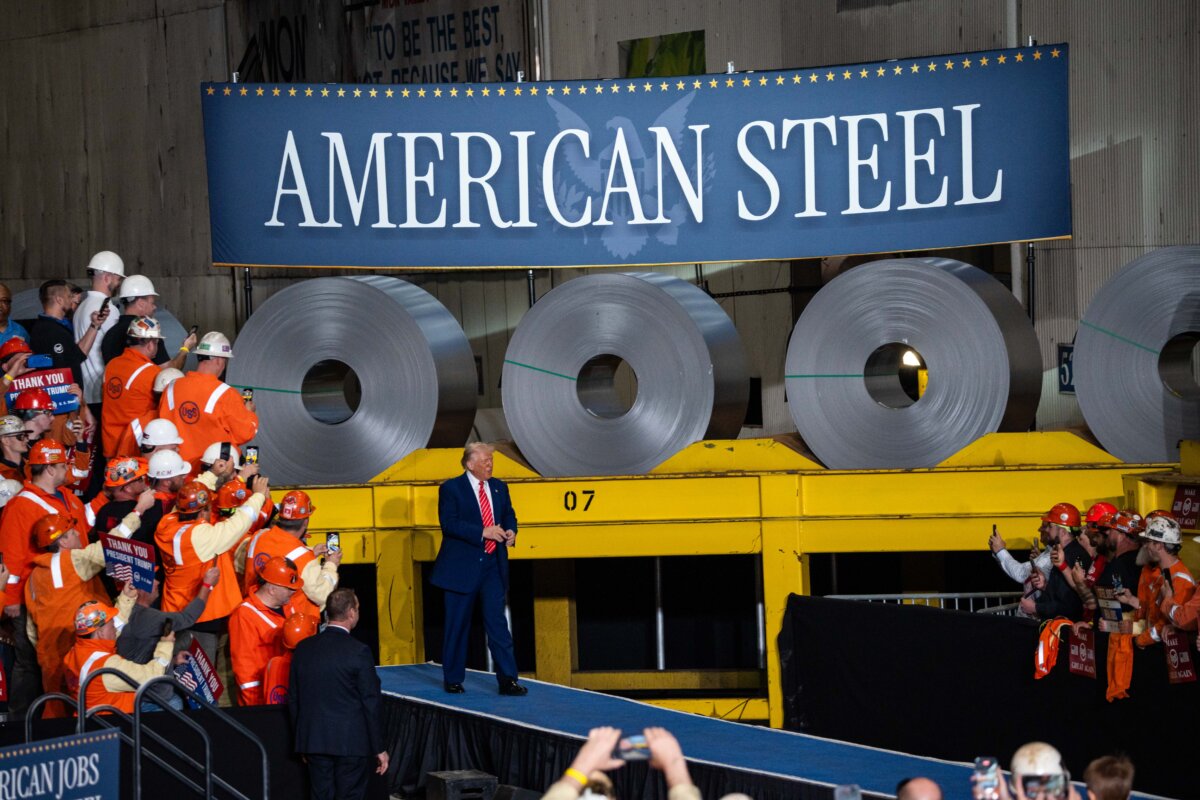
Nippon also agreed to keep the iconic U.S. industrial company’s name and continue operations in Pittsburgh, upholding U.S. Steel’s mantra “mined, melted, and made in America” while honoring union commitments.
The investment in Mon Valley is part of Nippon’s broader pledge to invest $14 billion in the United States.
 Friends Read Free
Copy
Facebook
Tweet
Friends Read Free
Copy
Facebook
Tweet