
The Organisation for Economic Co-operation and Development (OECD) has found that state subsidies helped drive nearly 60 percent of Chinese firms’ gains in global market share.
The OECD report, released on June 1, said that, compared with other firms based in OECD countries, Chinese firms received an average of three to eight times more government assistance between 2005 and 2024.
Using firm-level data from its Manufacturing Groups and Industrial Corporations database, known as MAGIC, the Paris-based organization tracked subsidies received by major companies across 15 industrial sectors.
Unlike government disclosures, the database focuses on what firms actually receive in grants, tax benefits, and below-market financing.
The OECD said the database offers a rare look into subsidy programs that are often difficult to measure, particularly in China.
OECD Secretary-General Mathias Cormann told reporters on June 1 that subsidies accounted for roughly 22 percent of global market share gains achieved by companies that expanded between 2005 and 2024.
For Chinese companies, the effect was far greater.
Almost 60 percent of Chinese firms’ market-share gains could be explained by the subsidies they received, the OECD found.
The report also found that Chinese companies received significantly more support than firms in major emerging economies such as Brazil, India, and Indonesia.
Much of that support came through direct government grants and below-market borrowing, according to the OECD. This allows companies to obtain financing at interest rates below those available in the normal market.
The OECD said that China’s state-owned enterprises were among the largest recipients of subsidies.
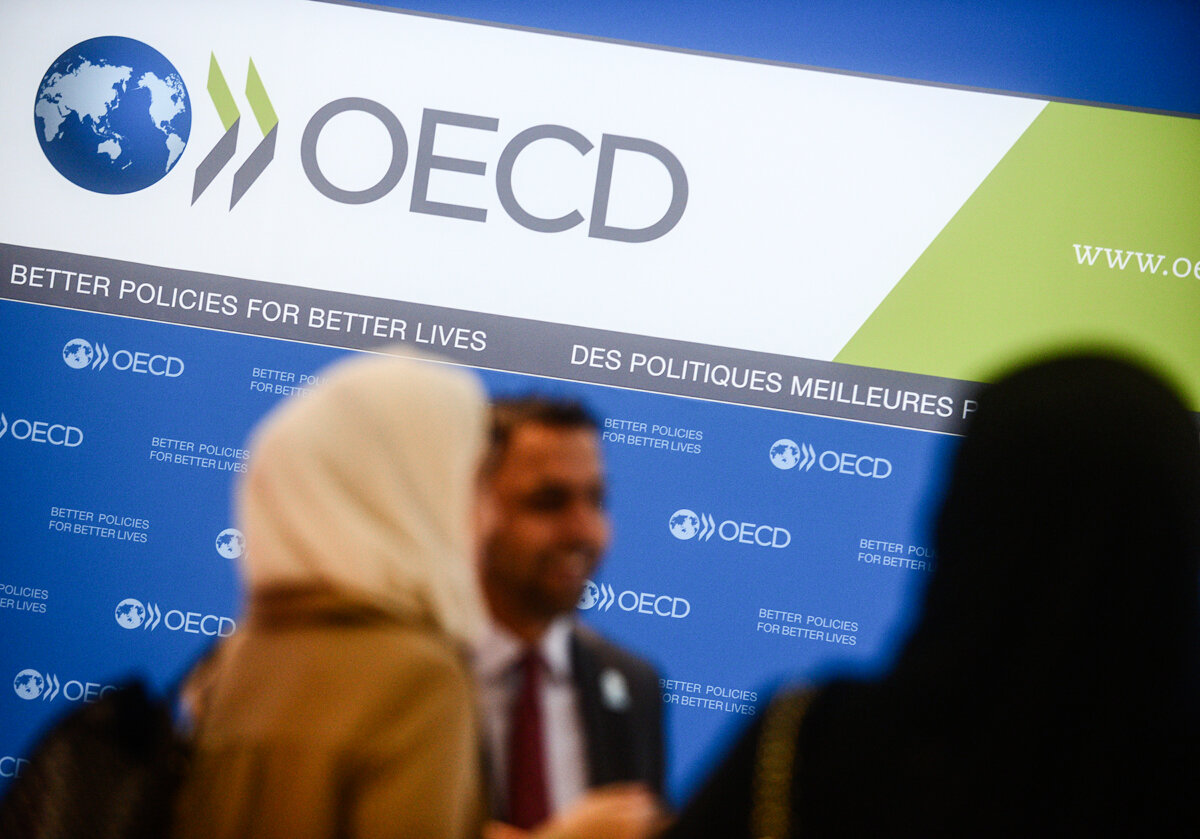
The report found that companies with government ownership exceeding 25 percent generally received significantly more support than privately owned competitors, particularly through grants and low-cost financing.
China–EU Trade
The report found that industrial subsidies reached $108 billion in 2024, near a record high and the highest sustained level since governments intervened heavily during the 2008–2009 global financial crisis.
The findings come as trade tensions between the European Union and China continue to rise amid concerns over growing Chinese exports and a widening European trade deficit with Beijing.
Last week, the European Commission said the EU’s trade and investment relationship with China is no longer sustainable, citing concerns about industrial competition and economic security.
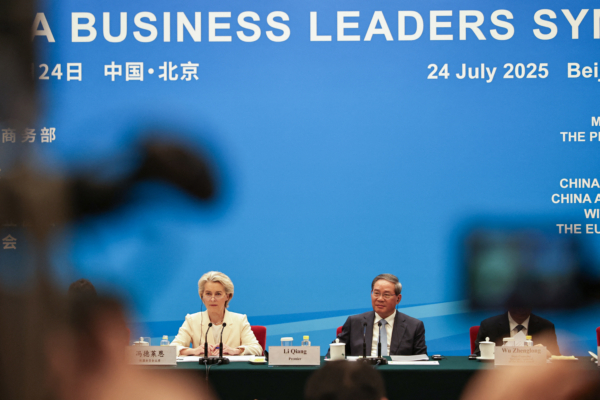
The EU has sought to curb imports of some Chinese electric vehicles with tariffs, citing concerns that state subsidies distort competition.
Despite the measures, Chinese manufacturers have continued to increase their share of the European market, particularly in hybrids.
Officials attending an OECD ministerial meeting in Paris on June 4 and 5 are expected to discuss ways to make global trade more balanced and transparent amid growing concerns about subsidies and industrial competition.
Strategic Industries
The OECD report found that government support was concentrated in sectors considered strategically important by many governments.
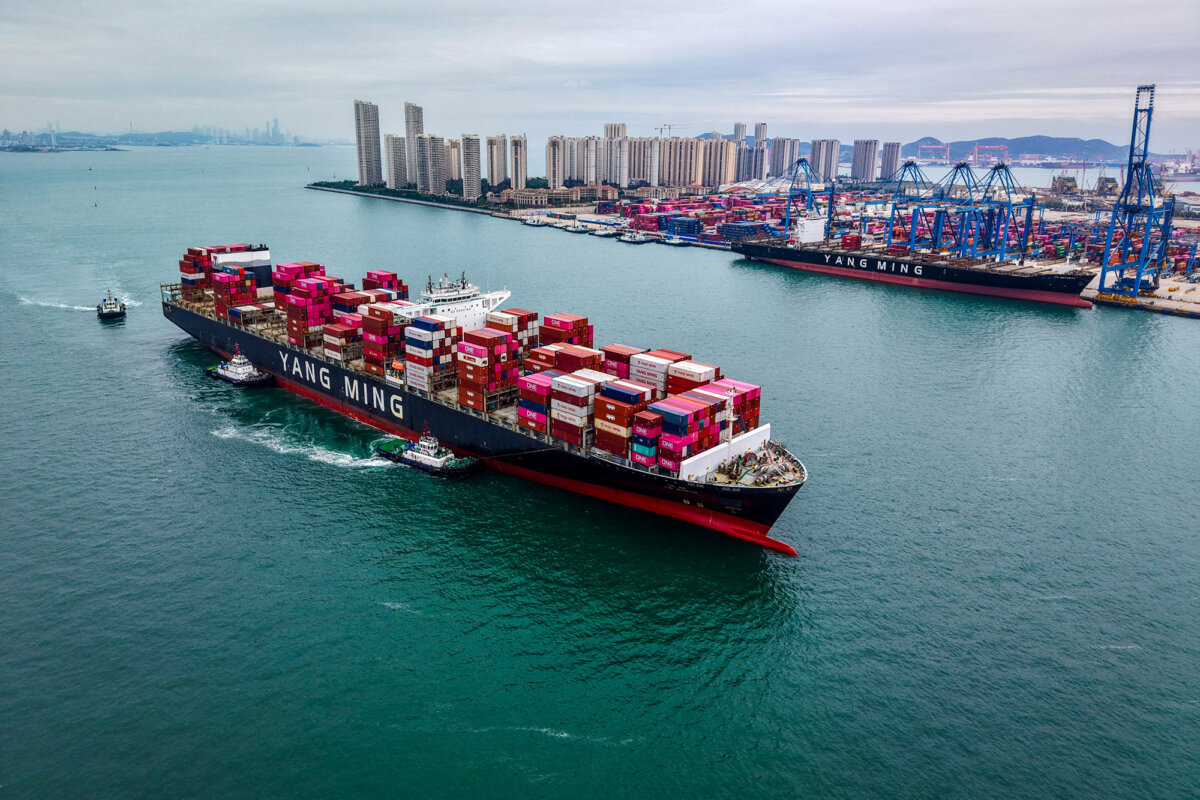
As a share of company revenue, solar photovoltaic panels, semiconductors, aluminum, steel, and shipbuilding received the largest subsidies between 2005 and 2024.
In 2024, state ownership was highest in shipbuilding, followed by steel, aluminum, fertilizers, rail equipment, aerospace, and defense.
The OECD said that government-controlled companies can become vehicles for industrial policy when governments use them to pursue strategic goals rather than operate as ordinary shareholders.
The OECD said renewable energy equipment, advanced technology industries, and heavy manufacturing consistently ranked among the most heavily supported sectors in its database.
Reuters contributed to this report.
 Friends Read Free
Copy
Facebook
Tweet
Friends Read Free
Copy
Facebook
Tweet