
The U.S. Department of Agriculture (USDA) on Monday confirmed two more cases of the New World screwworm parasitic infection in Texas, including one in Andrews County and the other in La Salle County.
In one of the cases, according to a news release issued by the USDA, a veterinarian in Andrews County submitted samples from an infected dog, noting that “early reports indicate the dog was recently in Mexico.”
The other case in La Salle County involved a calf, the department said, without providing details. Investigations are ongoing in both new cases.
Two other cases of the parasite were confirmed in Texas this past week, with the USDA saying one of the cases involved a one-month-old calf in Zavala County. That’s around six miles from the location of the first confirmed case involving a 3-week-old calf in southern Texas.
“Over the past week, USDA has identified and expeditiously confronted four confirmed detections of New World screwworm. While we address these instances that require immediate attention, and continue to sample suspected cases, we are simultaneously working to eradicate the pest entirely,” Dudley Hoskins, a USDA undersecretary, said in a June 8 statement.
He added that the department needs “the partnership of animal owners across the region” and advised people to “please stay vigilant, check your animals closely, and report anything that looks suspicious.”
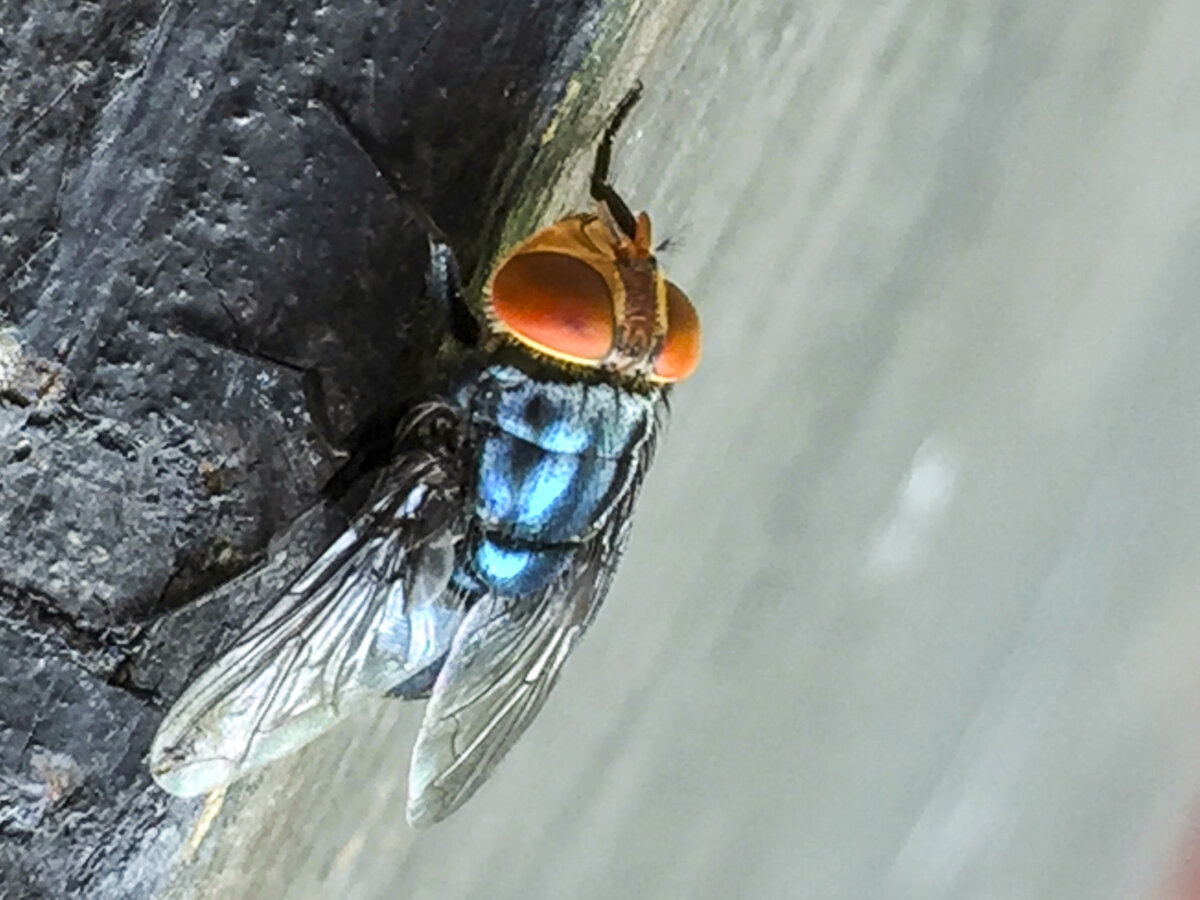
The USDA said that around 75 staffers from the federal agency and the Texas Animal Health Commission are leading “an aggressive unified response” to mitigate the threat posed by the screwworm, a flesh-eating parasite, adding that it will “continue to surge additional trained personnel as needed to ensure an effective response.”
A roughly 12-mile quarantine zone is set up for each new case of the parasite by the USDA and Texas state officials, the department noted. Other actions include increasing trapping along the border of those zones, conducting surveillance of wildlife, and outreach to local communities.
The USDA said it has activated a dispersal facility at the Moore Aire Base in Edinburg, and released sterile flies in Texas and in northern Mexico. Dispersal flights are scheduled for Tuesday, it added.
“Anyone who suspects a screwworm infestation should immediately contact their veterinarian, state animal health official, or USDA,” the department also warned. “USDA has established this contact page to ensure everyone can easily find the correct contact information for these groups.”
The deadly flies were detected in Mexico late in 2024, after years of being contained at the southern end of Panama. The fly was an annual warm-weather scourge of cattle ranchers from at least the 1930s through the 1960s, until the United States eradicated the pest by breeding sterile male flies and dropping swarms of them from planes to mate with wild females. The USDA said the most recent case was the first in Texas since 1966.
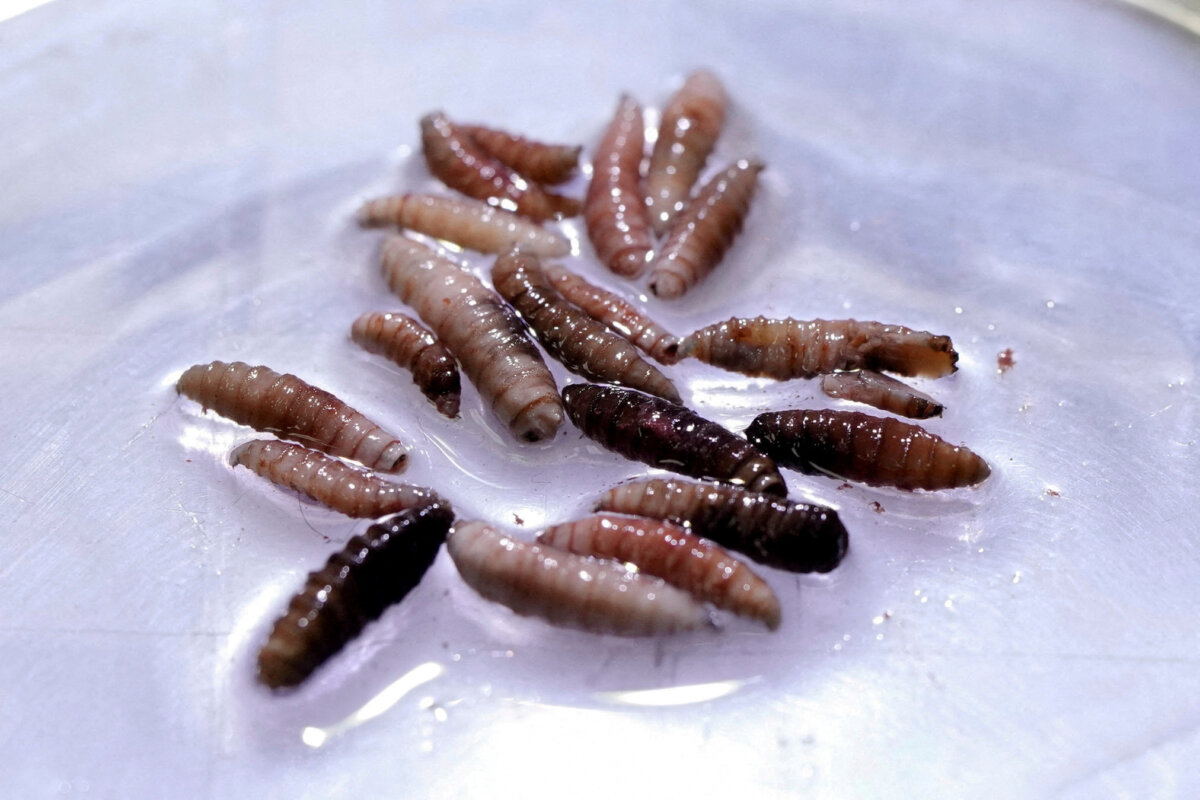
According to the Centers for Disease Control and Prevention, the New World screwworm is a type of fly that lays eggs inside open wounds or in the eyes, ears, nose, or mouth. The eggs then hatch and become parasitic, flesh-eating maggots, the agency says.
While the flies are generally found in South America or the Caribbean region, the fly has been moving north in recent years, it says.
The USDA warns that the parasite can “cause serious, often deadly damage” to livestock, birds, wildlife, and pets, and in some cases, people.
The Associated Press contributed to this report.
 Friends Read Free
Copy
Facebook
Tweet
Friends Read Free
Copy
Facebook
Tweet