
The U.S. Department of Agriculture (USDA) said on Friday that a second case of the flesh-eating New World screwworm has been detected in Texas.
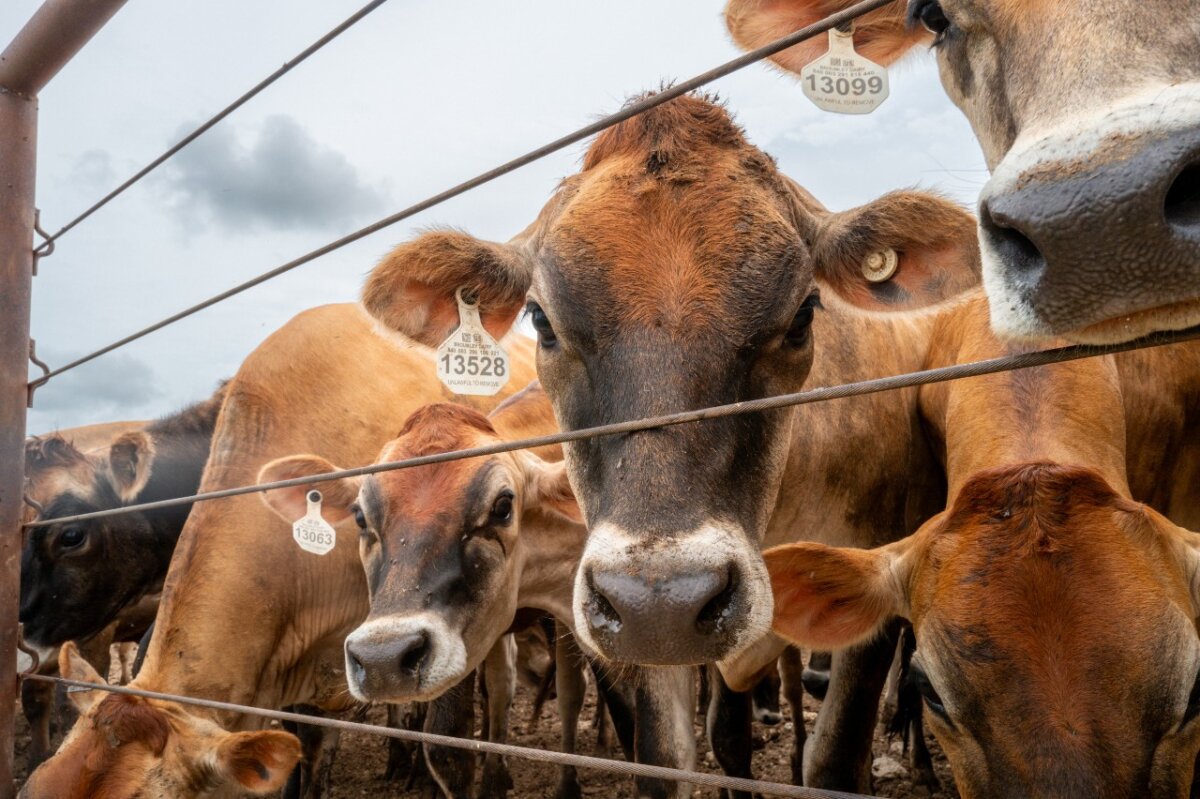
The parasite was found in a one-month-old calf in Zavala County, Texas, just 5.6 miles away from the location of the first confirmed case, which involved a three-week-old calf in South Texas.
“USDA has responded expediently with respect to this second detection, demonstrating our utmost preparedness,” Dudley Hoskins, the department’s under secretary for marketing and regulatory programs, said in a statement.
“This second detection is within the established movement control zone and enhanced sterile insect dispersal area,” Hoskins added.
The USDA’s Animal and Plant Health Inspection Service confirmed the second case following the testing of “a number of suspected cases,” according to the agency.
Other samples collected from the surrounding area of the affected calf have all come back negative, it added.
New World screwworms are flesh-eating parasites that infect livestock, wildlife, and, in rare cases, humans. Screwworm fly maggots burrow into the living tissue of animals, causing severe wounds that can be fatal.
Signs and symptoms of screwworm infestations include irritated behavior, head shaking, a decaying odor, and the presence of maggots, or fly larvae, in wounds, according to the USDA.
Agriculture Secretary Brooke Rollins previously told U.S. lawmakers that the USDA believed it could contain the case, the first in Texas since 1966, and said screwworm is not a food safety threat.
“If we all work together and follow these treatment and movement restriction guidelines, there is no reason to believe that this incursion will result in any sort of establishment of the pest on our side of the border,” Rollins told reporters on a June 4 call.
To eradicate the pest, the USDA said it has deployed mobile response trailers and released sterile flies in the infestation area, including 2 million sterile screwworms twice a week through aerial releases and 4 million sterile flies per week through ground releases in and around the detection zone in Texas to maximize impact.
The agency has also issued emergency use authorizations for several screwworm treatments for cattle, horses, swine, goats, captive exotic animals, and wildlife.
“Movement control zones are in place, surveillance is intensified, and treatment supplies are available through @TAHC [Texas Animal Health Commission],” the USDA said in a post on June 5.
“We have defeated this pest before, and we will do it again. America’s livestock producers have USDA’s FULL support.”
Texas Gov. Greg Abbott issued a disaster declaration for Zavala and Uvalde counties on June 5, authorizing the use of all available state resources to combat the screwworms.
The governor also ordered that all state personnel, including those from Texas’s University Systems, be mobilized to accelerate the shipment of sterile flies into Texas and the construction of a sterile fly production facility in Edinburg.
Screwworms were eradicated from the United States in the 1960s when researchers began releasing large numbers of sterilized male screwworm flies that mated with wild female screwworms, producing infertile eggs.
Owen Evans and Reuters contributed to this report.
 Friends Read Free
Copy
Facebook
Tweet
Friends Read Free
Copy
Facebook
Tweet