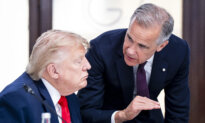

President Donald Trump on Sunday made his first public comments since U.S.–Canada trade negotiations broke down, accusing Canada of wanting “the benefits of being a State, without being one” and of imposing “massive amounts of Tariffs” on American farmers for years.
The United States imposed 50 percent tariffs Aug. 21 on some Canadian imports after last-minute negotiations between the two countries failed to produce an agreement.
The tariffs had been scheduled to take effect Aug. 19, but Trump delayed them for three days while negotiations continued.
The proposed deal would have reduced U.S. tariffs on Canadian steel, aluminum, automobiles, and lumber. It also included cooperation on aerospace supply chains, critical minerals, forced-labor enforcement, and the formal launch of negotiations over the U.S.–Mexico–Canada Agreement.
U.S. Trade Representative Jamieson Greer said Canada declined to finalize a deal under terms the two sides had agreed to earlier in the week. Greer said Canada made new demands and backed away from other commitments, upsetting what he described as a carefully negotiated agreement.
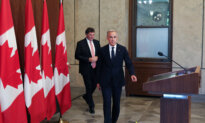
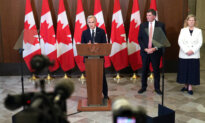
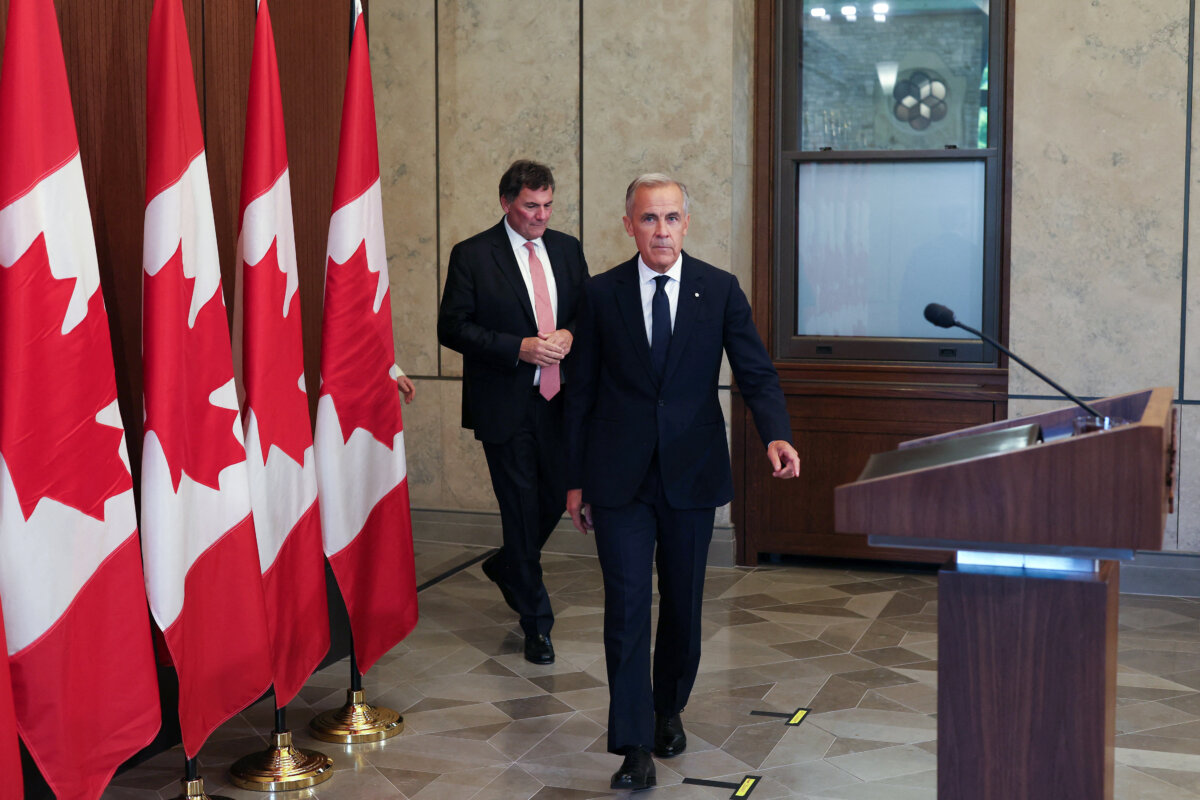
Canadian Prime Minister Mark Carney disputed the U.S. account, saying last-minute changes sought by Washington were “unfair” and “uneconomic.” He suspended negotiations and ordered Canadian negotiators to return to Ottawa.
Carney said Canada reluctantly decided to impose the measures after rejecting what he called a “bad deal.” Both countries blamed the other for the breakdown. Carney accused the United States of seeking restrictions on Canada’s ability to negotiate trade agreements with other countries.
Carney said Canada would respond to the U.S. tariffs “dollar for dollar.” Canada’s retaliatory tariffs on U.S. goods are scheduled to begin Sept. 8.
The prime minister added Canada was committed to working together to build one Canadian economy by removing internal trade barriers.
The new U.S. tariffs affect about 5 percent of Canadian exports to the United States and target products including dairy, alcohol, and other consumer goods.
The Trump administration has said the tariffs are a response to several Canadian trade policies, including its dairy supply-management system, provincial restrictions on sales of U.S. alcohol, and Canadian retaliatory tariffs on automobiles.
Canada had removed nearly all of its earlier retaliatory tariffs but retained counter-tariffs on U.S. autos, steel, and aluminum. Ottawa has maintained that U.S. tariffs on those sectors violate the U.S.–Mexico–Canada Agreement. Canada also said during negotiations that it intended to preserve its dairy supply-management system.
 Friends Read Free
Copy
Facebook
Tweet
Friends Read Free
Copy
Facebook
Tweet