
Producer inflation rose again in May as goods prices accelerated amid rising energy costs.
The producer price index jumped by 1.1 percent last month, unchanged from April’s downwardly revised 1.1 percent increase, according to new Bureau of Labor Statistics data released on June 11.
The consensus estimate suggested a 0.7 percent gain.
Economists monitor this measure as a pipeline inflation indicator, since it reflects the prices businesses pay for goods and services and pass on to consumers.
On a 12-month basis, wholesale inflation climbed to a higher-than-expected 6.5 percent, from a downwardly adjusted 5.7 percent in the previous month. This marked the highest year-over-year level since the 7.4 percent reading in November 2022.
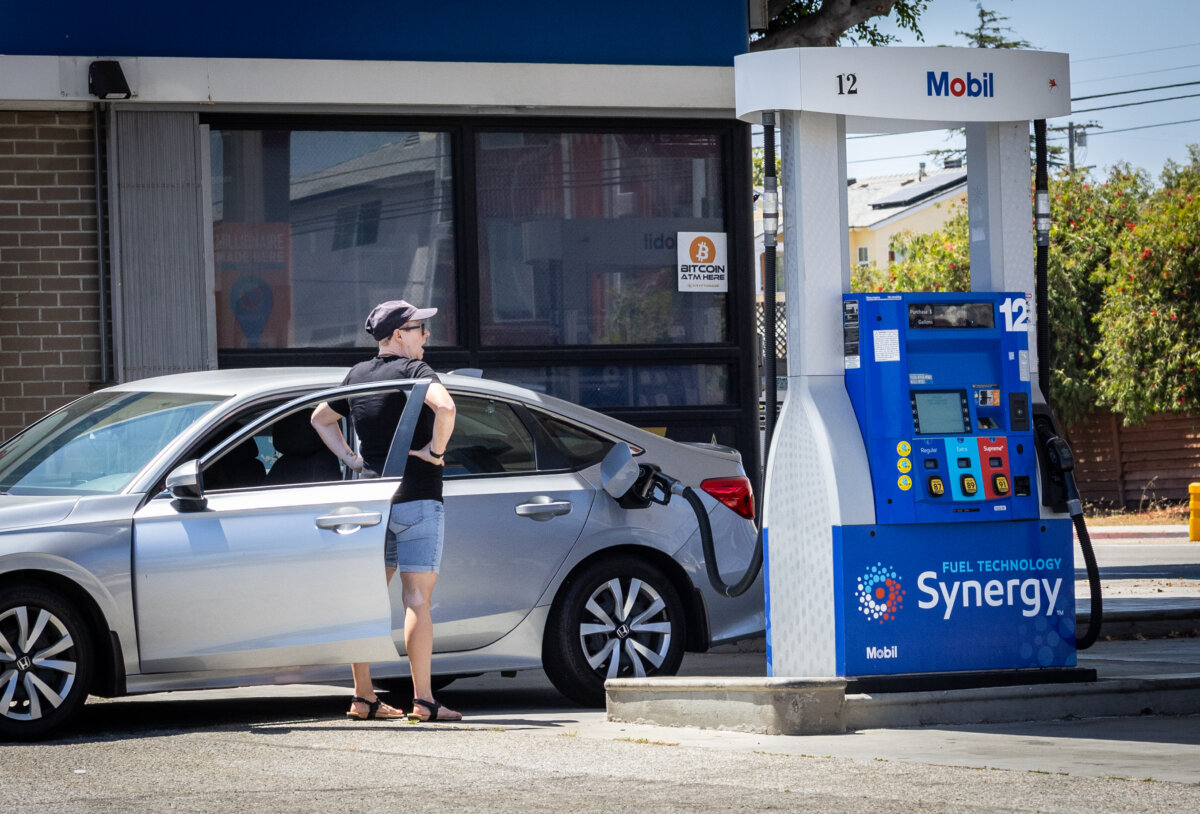
Close to 80 percent of May’s increase was fueled by a 2.8 percent jump in goods. Additionally, 80 percent of the rise can be traced to energy, which spiked by nearly 11 percent.
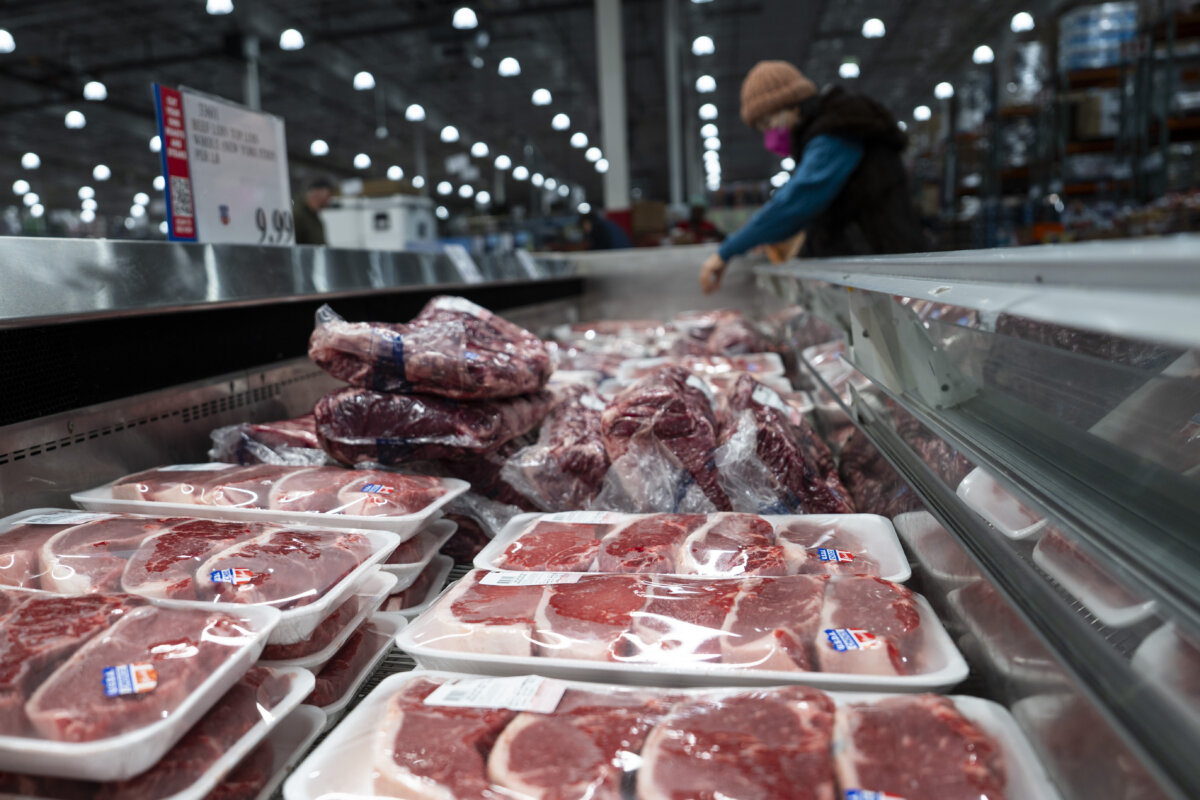
Prices for diesel and jet fuel, plastic, industrial chemicals, and natural gas liquids also contributed to the number. The pork index declined by more than 10 percent.
By comparison, prices for final demand services ticked up 0.3 percent, driven by transportation and warehousing services.
Because of the war in Iran—now in its fourth month—global energy markets have been upended. Despite stabilizing in recent weeks, oil prices continue to hover at about $90 per barrel, and market watchers warn that crude could remain elevated even after the conflict is resolved because of shrinking inventories.
Oil stocks in the Organization for Economic Cooperation and Development could fall to their lowest levels in more than 20 years, according to the Energy Information Administration.
Global oil supplies are projected to fall by an average of 6.3 million barrels per day in the second quarter and 7.6 million barrels per day in the third quarter.
High energy prices could continue weighing on global financial markets, said Howard Ward, chief investment officer of growth at Gabelli Funds.
“Equity markets continue to react to fluctuations in energy prices and broader geopolitical uncertainty,” Ward said in a note emailed to The Epoch Times.
President Donald Trump said in a June 11 Truth Social post that the United States will be striking Iran “very hard tonight.”
“At some point in the not-too-distant future, we will be taking Kharg Island, and other oil infrastructure points, and assume total control of their Oil and Gas Markets, much like we have with Venezuela, which is working out brilliantly for both Venezuela and the United States of America,” he said on his social media platform.
Producer Inflation Without Energy
A top concern for economic observers and policymakers is that the oil price shock could filter through the U.S. marketplace.
These worries were somewhat alleviated after the bureau reported that core producer inflation, which strips out the volatile energy and food categories, rose by 0.4 percent, less than expected.
This was down from the 0.7 percent reading in April, adjusted lower from the initial 1 percent gain.
Core producer inflation was also unchanged at a lower-than-expected 4.9 percent.
Similar trends were observed in the May consumer price index report. Headline annual consumer inflation surged to 4.2 percent, while core ticked up to 2.9 percent.
These figures suggest that rising energy prices are contributing to the latest inflation pressures and have yet to trigger broader challenges.
Whether the Federal Reserve will look past the oil price shock could be unveiled at next week’s two-day Federal Open Market Committee policy meeting.
“Policymakers are anticipated to keep interest rates unchanged at next week’s meeting, while an interest rate hike remains a strong possibility later this year, which could continue to support both Treasury yields and the dollar,” Bas Kooijman, CEO and asset manager at DHF Capital, said in an emailed note to The Epoch Times.
The Fed’s playbook in these situations is to examine underlying inflation. Based on Fed Chairman Kevin Warsh’s congressional testimony, officials could rely on trimmed inflation gauges as part of their policymaking endeavors.
Trimmed inflation removes outliers that contribute to spikes or sharp drops.
“What I’m most interested in is: What’s the underlying inflation rate?” Warsh said at his Senate confirmation hearing in April. “Not: What’s the one-time change in prices because of a change in geopolitics or change in beef?
“The measures I prefer are looking at things that are called trimmed averages. We take out all of the tail-risks, all of the one-off items, and we ask ourselves whether the generalized change in prices is having second-order effects on the economy.”
According to the Dallas Fed, the 12-month trimmed-mean inflation rate for April was 2.3 percent, slightly above the central bank’s 2 percent target.
Investors are betting that the Fed will leave policy unchanged throughout the year, with markets eyeing an interest rate hike in December 2026 or January 2027.
Correction: A previous version of this article misspelled the name of DHF Capital CEO Bas Kooijman. The Epoch Times regrets the error.
Zachary Stieber contributed to this report.
 Friends Read Free
Copy
Facebook
Tweet
Friends Read Free
Copy
Facebook
Tweet