
The trade deal between the United States and Vietnam has created a sense of cost certainty in the U.S. retail sector as businesses place their holiday orders with manufacturers, Bank of America retail analyst Lorraine Hutchinson said during a July 8 interview with CNBC.
On July 2, the two countries signed a trade agreement under which U.S. goods would face zero tariffs in the Asian nation while goods shipped to the United States would be subject to a tariff of 20 percent.
The deal was signed seven days before the initial 90-day pause on Washington’s reciprocal tariffs on imports from several foreign nations was set to end on July 9. This has now been extended to Aug. 1.
Vietnam was hit with a 46 percent reciprocal tariff in April, which now will not come into effect because of the July 2 trade agreement.
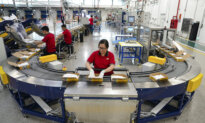
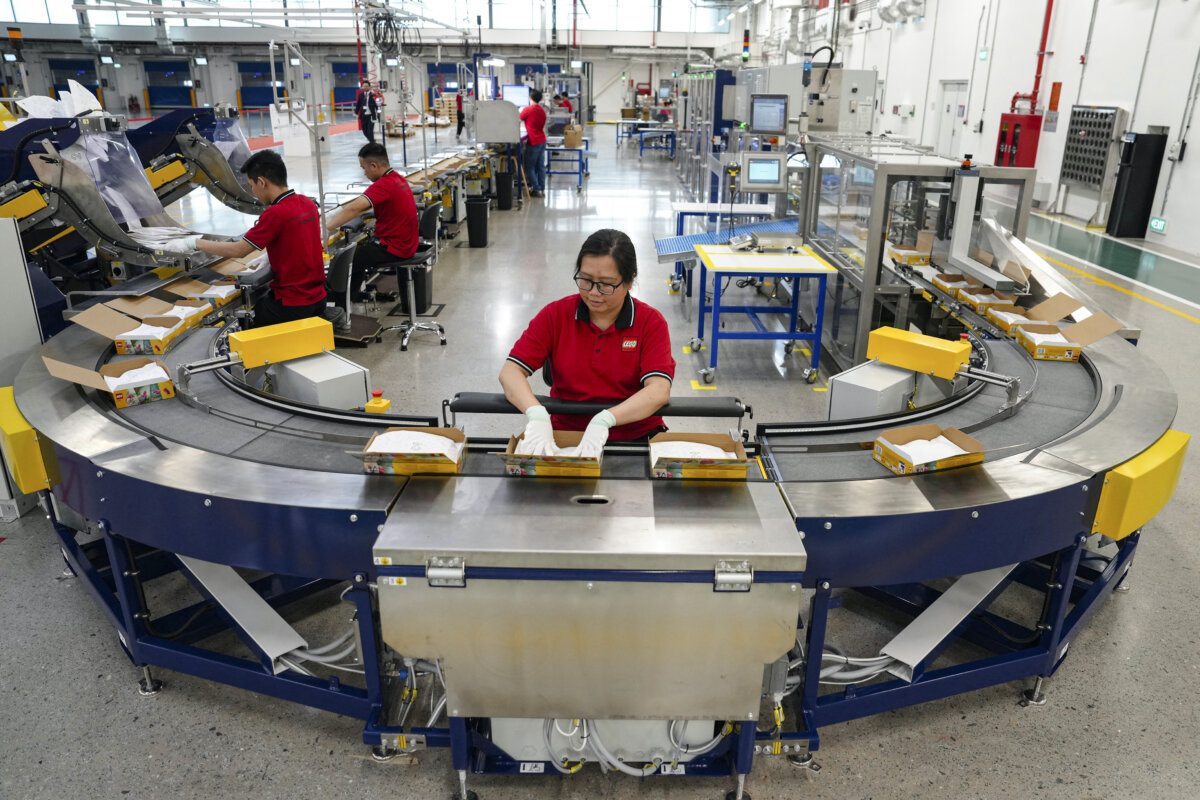
Hutchinson said that for the United States, “Vietnam is the most important country for most public apparel and footwear retailers.” Vietnam was the second-largest source of apparel and accessory imports in the United States in 2024, according to data from Statista. The United States imported $15.11 billion of such products from Vietnam.
U.S. retailers are getting ready to finalize their orders for Christmas, “which is when they make all their money,” Hutchinson said. However, according to her, the tariff situation had created uncertainty among businesses.
“So they’re placing orders for goods, and they didn’t know how much it would cost,” she said. “That is a very difficult thing to do. And so Vietnam coming out at 20 [percent], I think … poses some slight downward estimate revision risk, but really it just gave the retailers some certainty around the price that they’ll pay for these holiday goods.”
Hutchinson said Vietnam is more important than China to the United States when it comes to sourcing apparel and footwear.
As to onshoring the manufacture of apparel and footwear, Hutchinson said this is not “realistic at all,” citing the “very labor-intensive process” involved in producing them.
In a June 17 statement from the National Retail Federation, Jack Kleinhenz, chief economist at the group, predicted that tariff-related inflation would start affecting the retail sector later in the year.
This year, core retail sales have been growing at “about the same pace” as in 2024, he said. Despite a soft labor market, consumer spending has remained steady because of gains in wages and an improvement in the stock market, he said.
“Consumers are seeing their way through the uncertainty with trade policies, but I expect the inflation associated with tariffs to be felt later this year,” Kleinhenz said. “Consumers remain very price sensitive, and those costs are likely to weigh heavily on consumer budgets.”
Tariff Extension
With just a couple of days left before the July 9 deadline for lifting the pause on reciprocal tariffs, President Donald Trump signed an executive order on July 7 extending the deadline to Aug. 1.
On July 7, Trump also issued letters to multiple countries, notifying them about tariffs that would take effect on Aug. 1, with the president warning that the rates could increase if nations fail to correct trade imbalances with the United States or raise their own trade barriers.
According to the letters, key U.S. allies Japan and South Korea stand to face 25 percent tariffs. Other countries facing 25 percent charges are Kazakhstan, Malaysia, and Tunisia.
South Africa, as well as Bosnia and Herzegovina, face a tariff rate of 30 percent; Indonesia faces a 32 percent rate; Bangladesh and Serbia face a 35 percent rate; Cambodia and Thailand face a 36 percent rate; and Burma and Laos face a 40 percent rate.
Trump said in the letter that the tariff rates could be lowered if the countries reduce nontariff barriers and open up their markets.
If the United States is able to come into trade arrangements with more nations before Aug. 1, it would further reduce tariff uncertainty among U.S. retailers.
On July 6, Trump warned nations aligning with the policies of the BRICS bloc that they stand to face more tariffs. BRICS is the initial acronym for Brazil, Russia, India, China, and South Africa. New members joined the bloc later.
“Any Country aligning themselves with the Anti-American policies of BRICS, will be charged an ADDITIONAL 10 percent Tariff,” Trump said in a July 6 Truth Social post. “There will be no exceptions to this policy.”
 Friends Read Free
Copy
Facebook
Tweet
Friends Read Free
Copy
Facebook
Tweet