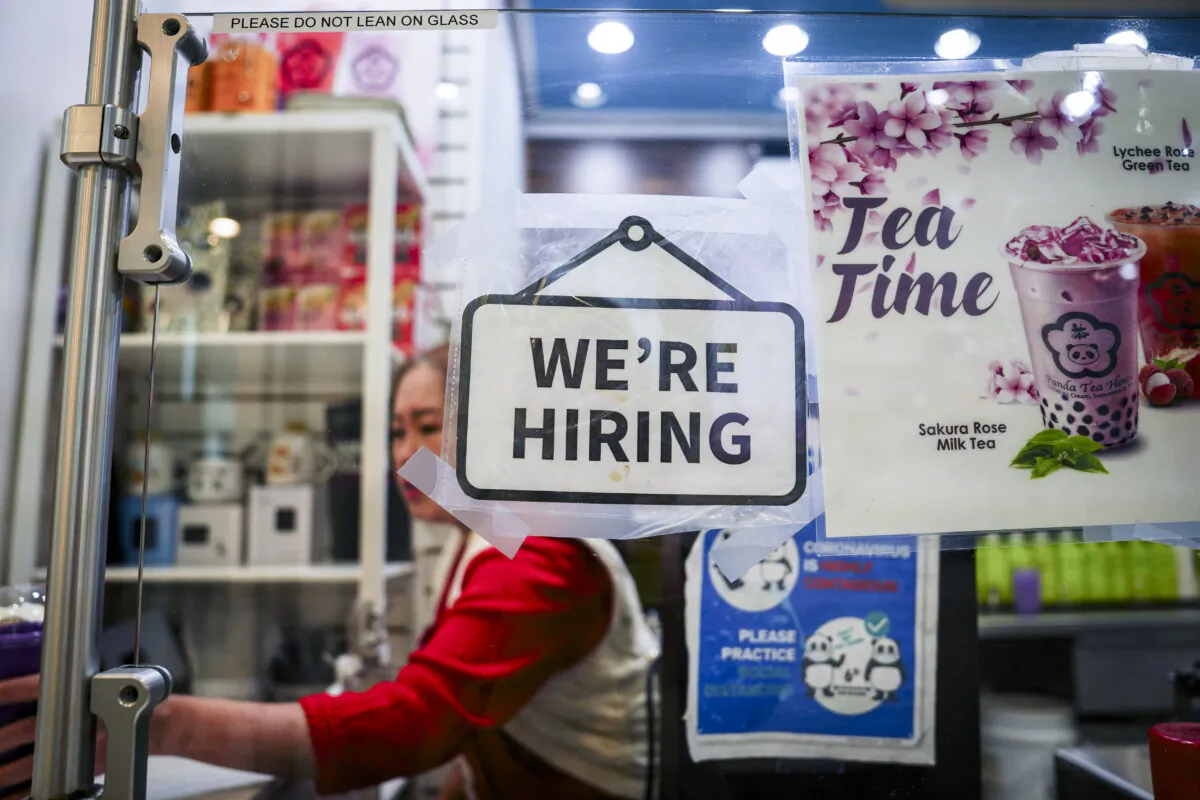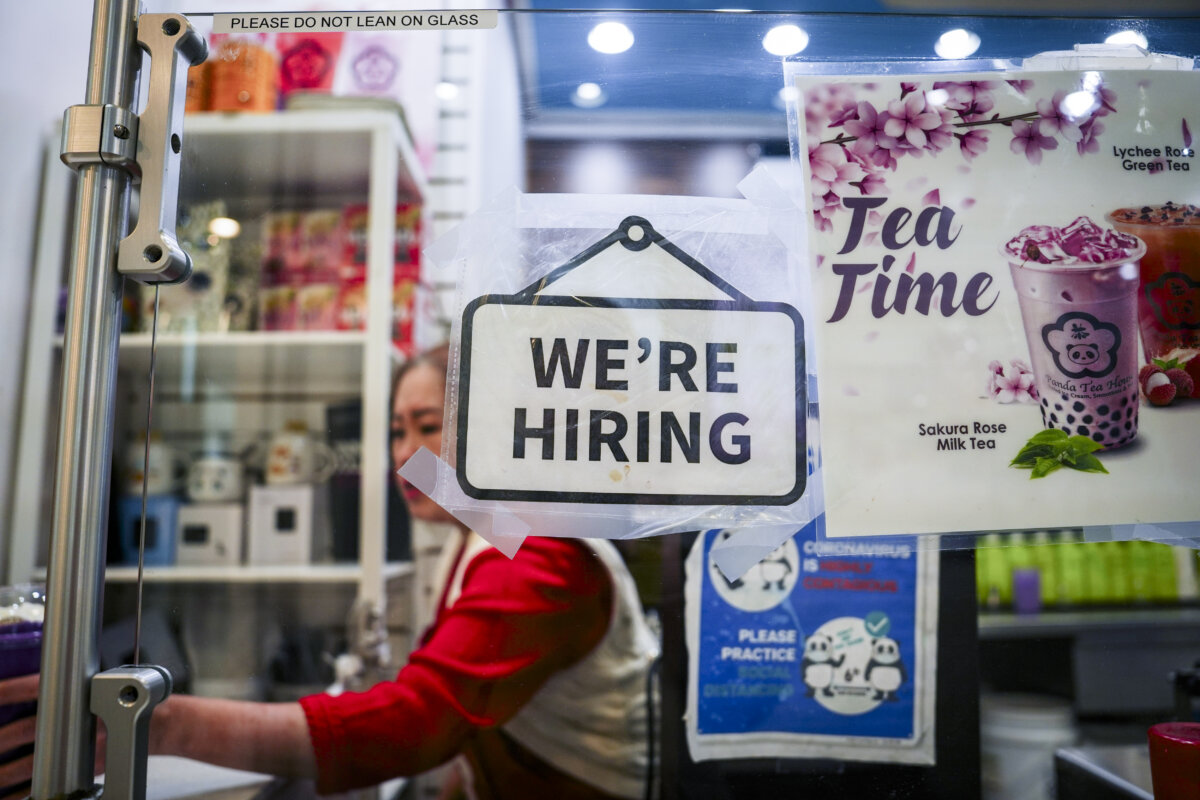

The number of Americans filing applications for unemployment benefits fell below 200,000 for the second time this year as layoffs remain low and the labor market steadies heading into 2026.
For the week ending Dec. 27, initial jobless claims declined by 16,000 to 199,000 from the previous week’s upwardly revised reading of 215,000, according to data released by the Department of Labor on Dec. 31.
The market consensus was 220,000.
Beyond extending its three-week slide, claims are also 5 percent below their level from the same period a year ago.
The four-week average, which eliminates week-to-week volatility, ticked up to 218,750 from 217,000.
Weekly claims under the federal workers program were essentially unchanged at 812, a measure economists are monitoring for signs that the administration’s policy agenda is filtering into government payroll trends.
In a sign that more people could be finding work, fewer Americans received unemployment benefits for the week ending Dec. 20.
Recurring claims—a metric that measures the number of jobless individuals currently receiving unemployment benefits—dropped to a three-week low of 1.866 million from a downwardly adjusted 1.913 million.
Economic observers track this indicator as a proxy for the difficulty the job market poses for those out of work.
The long-term unemployment rate—unemployed 27 weeks or longer as a percent of total unemployed—stayed elevated at 24.3 percent last month, according to the Bureau of Labor Statistics.
Finding Work in 2026
Despite the upbeat data, the U.S. labor market remains stuck in an oft-described “low fire, low hire” environment.
Looking ahead, employment conditions could continue as they are in 2026.
“As a result, both long-term and short-term business planning have remained difficult, and layoff and hiring rates have been low,” Michael Feroli, chief U.S. Economist at JPMorgan Chase, said in a Dec. 10 note.
“Businesses are hesitant to make sweeping changes to either grow or shrink their payrolls when they’re unsure what the next six months might hold.”
But some forecasts suggest the labor market could improve as the year progresses.
The Connecticut Business and Industry Association estimates national payroll growth will average 25,000 in the first quarter, then rebound to as much as 100,000 in the final three months of 2026.
“As most indicators suggest limited risk of a sharp downturn, labor market slack should increase only slightly,” the group said in its latest economic outlook.
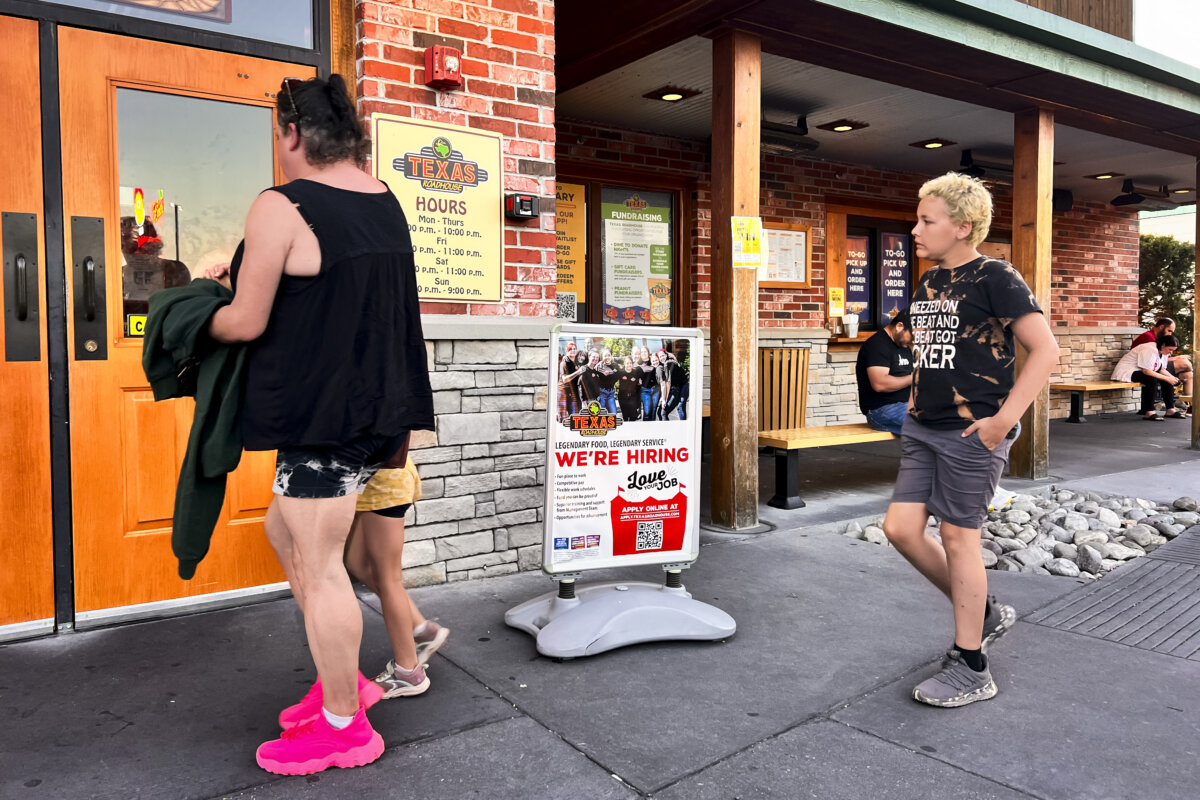
There has been little expectation of a material increase in the unemployment rate, with the Federal Reserve anticipating the median rate to be 4.4 percent next year.
In November, the jobless rate rose to 4.6 percent, the highest level since September 2021. This was driven mainly by a jump in the number of individuals who were previously not in the labor force.
In the aftermath of the pandemic, employment conditions were red-hot as employers navigated a worker shortage. Now that the administration is overhauling immigration and trade policy, the labor market is adapting to these changes.
“The job market is undergoing a transformation,” Jeffrey Roach, chief economist for LPL Financial, said in a note emailed to The Epoch Times.
“Wages are slowing and will make consumer income become a dominant theme in the new year. Further, a rotation in labor supply will also be a theme as we see more individuals formerly not in the labor force begin their job search.”
The final jobs report of 2025 will be released on Jan. 9. Early estimates from Trading Economics suggest the economy added 12,000 jobs in December and the unemployment rate edged higher to 4.7 percent.
In the first 11 months of the year, the United States added more than 600,000 new jobs—far below the 1.6 million added during the same span in 2024.
Payroll gains have been centered mainly in the private sector, while government jobs have slumped.
A growing chorus of monetary policymakers has insisted that the Federal Reserve needs to focus on the labor market and continue lowering interest rates to prevent further deterioration, given the lag effect of Fed policy.
The central bank lowered interest rates three times in 2025 and has penciled in one action in 2026.
 Friends Read Free
Copy
Facebook
Tweet
Friends Read Free
Copy
Facebook
Tweet