
The World Bank has warned that disruptions in the Strait of Hormuz and escalating conflict in the Middle East are triggering a global oil supply shock that is beginning to suppress energy demand worldwide.
In its May 7 analysis, the World Bank said that global oil demand declined by 0.8 million barrels per day year over year in March and is forecast to fall by another 1.5 million barrels per day in the second quarter of 2026.
“Oil demand destruction is emerging,” the World Bank said, citing rising prices, trade disruptions, and reduced economic activity in advanced economies, Asia, and the Middle East.
The warning came as Brent crude prices surged following what the World Bank described as the “near-total disruption” of shipping through the Strait of Hormuz.
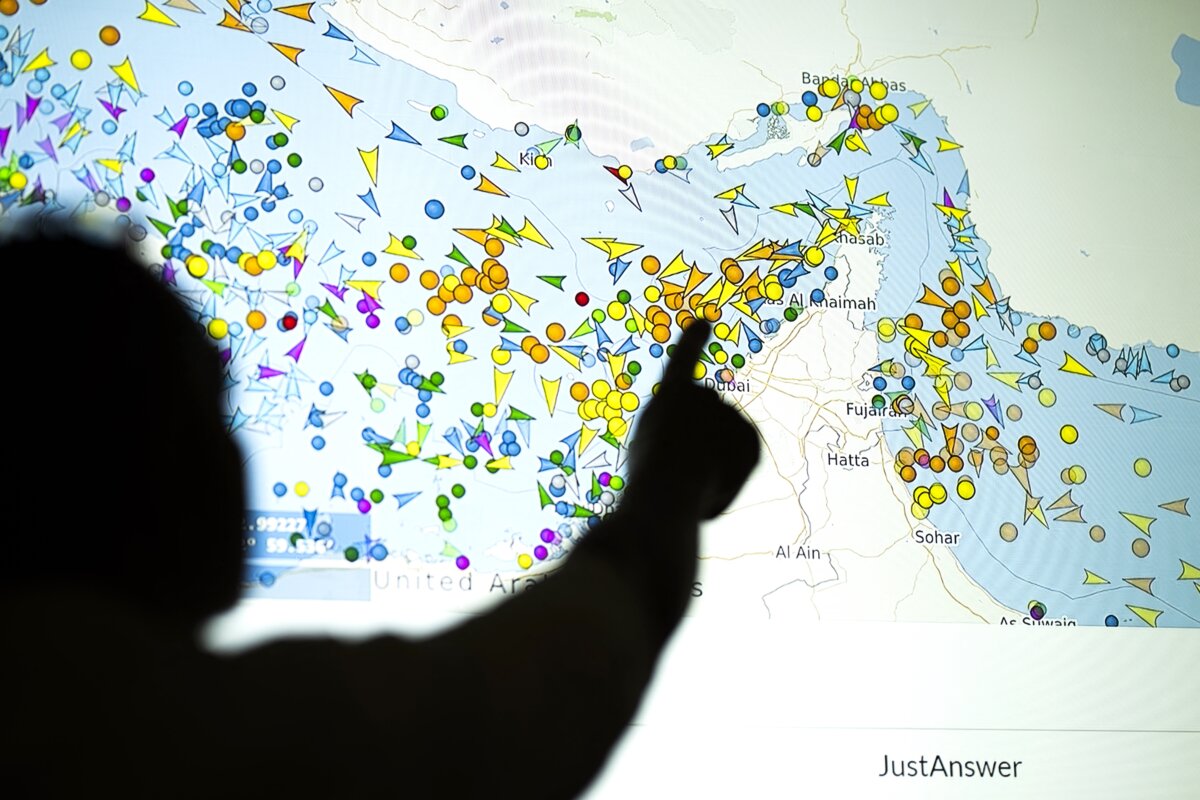
Roughly one-quarter of global seaborne crude oil trade passes through the narrow waterway.
By the end of March, Brent crude prices had risen by approximately 65 percent, or $46 per barrel, marking what the World Bank called the largest monthly increase on record.
Prices later eased after a temporary ceasefire announcement but remained volatile amid uncertainty over negotiations involving Iran and the United States.
Historic Supply Shock
The World Bank projected that global oil output would decline by 6.9 million barrels per day, or 6.6 percent year over year, during the second quarter of 2026, representing the sharpest quarterly decline since the COVID-19 pandemic.
The United States is expected to account for most non-OPEC+ production growth, with output increasing by roughly 500,000 barrels per day, partially offsetting Middle East disruptions.
The report projects that oil markets would face a deficit of 3.7 million barrels per day in the second quarter despite emergency reserve releases and limited increases in supply from other producers.
“Even if disruptions ease later this year, oil markets are expected to stay tight in the near future amid ongoing geopolitical risks, uncertain regional flows, and dislocation of shipping assets,” the World Bank said.
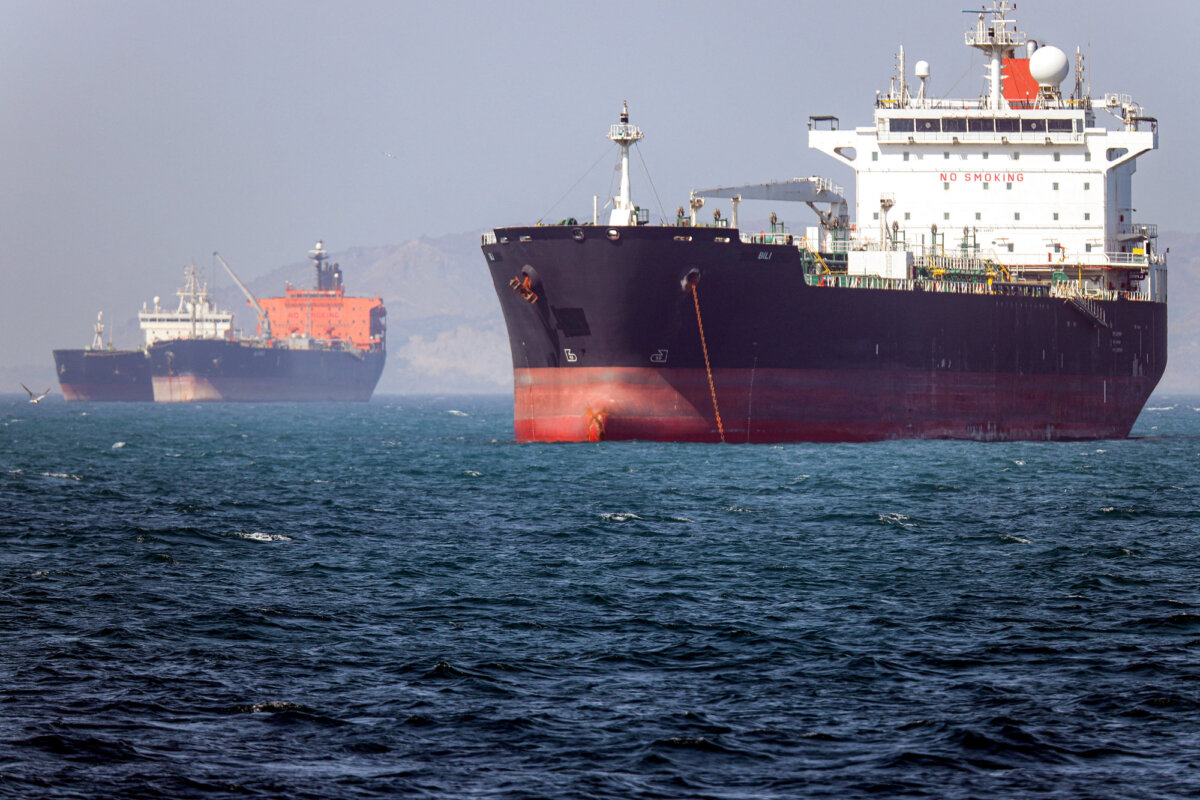
The organization forecast Brent crude would average $86 per barrel in 2026 before declining to $70 per barrel in 2027 if regional supply conditions stabilize. However, it warned that renewed conflict or prolonged shipping disruptions could push Brent prices into a range between $95 and $115 per barrel this year.
In a separate analysis, published on May 7, the World Bank said the conflict had created “unprecedented commodity supply disruptions.” It stated that the shutdown of shipping through the strait triggered “the largest energy supply shock on record.”
Before the conflict, vessels transiting the Strait of Hormuz accounted for nearly 35 percent of global seaborne crude oil trade, 20 percent of refined petroleum product trade, and approximately 20 percent of liquefied natural gas shipments, according to the institution.
The analysis said fertilizer prices would rise by more than 30 percent in 2026, led by a 60 percent increase in urea prices, as disruptions to liquefied natural gas and fertilizer feedstocks increase production costs.
“If greater disruptions drive fertilizer and other input costs even higher, knock-on impacts on food prices could push tens of millions more people into acute food insecurity globally,” the report states.
The World Bank also forecast that base metals prices would rise by 19 percent this year, while precious metals prices were expected to increase by 42 percent amid geopolitical uncertainty. Gold and silver prices are projected to remain near record levels and significantly above their pre-2020 averages.
Inflation Concerns
The World Bank said higher energy prices are weakening global growth prospects while increasing inflationary pressures, particularly in emerging markets and developing economies.
The institution revised its projected 2026 growth for emerging markets and developing economies down to 3.6 percent, a reduction of 0.4 percentage points from its January forecast.
Commodity-exporting developing economies are expected to grow by just 2.4 percent, reflecting direct exposure to the conflict and disruptions in energy trade.
Meanwhile, inflation forecasts for emerging markets were revised upward from 4.1 percent to 5.1 percent this year.
 Friends Read Free
Copy
Facebook
Tweet
Friends Read Free
Copy
Facebook
Tweet