
News Analysis
In light of recent mass layoffs and bankruptcies in China, experts warn that China’s economy is entering a deep recession, possibly a depression, with rising unemployment and systemic risks that could trigger large-scale social instability.
On June 19, Chinese electric vehicle (EV) company Hozon Auto filed for bankruptcy, according to the Chinese Communist Party’s (CCP) state broadcaster CCTV. Another state media report that drew widespread attention on Chinese social media is the mass layoffs at a leading online services platform, 58.com.
The popular platform, known for helping users find housing, jobs, and domestic services, has reportedly initiated mass layoffs affecting 20 percent to 30 percent of its workforce, close to 10,000 employees, mostly from its technical and regional service departments. The news quickly trended on Chinese social media.
Real Estate Collapse and Mass Layoffs
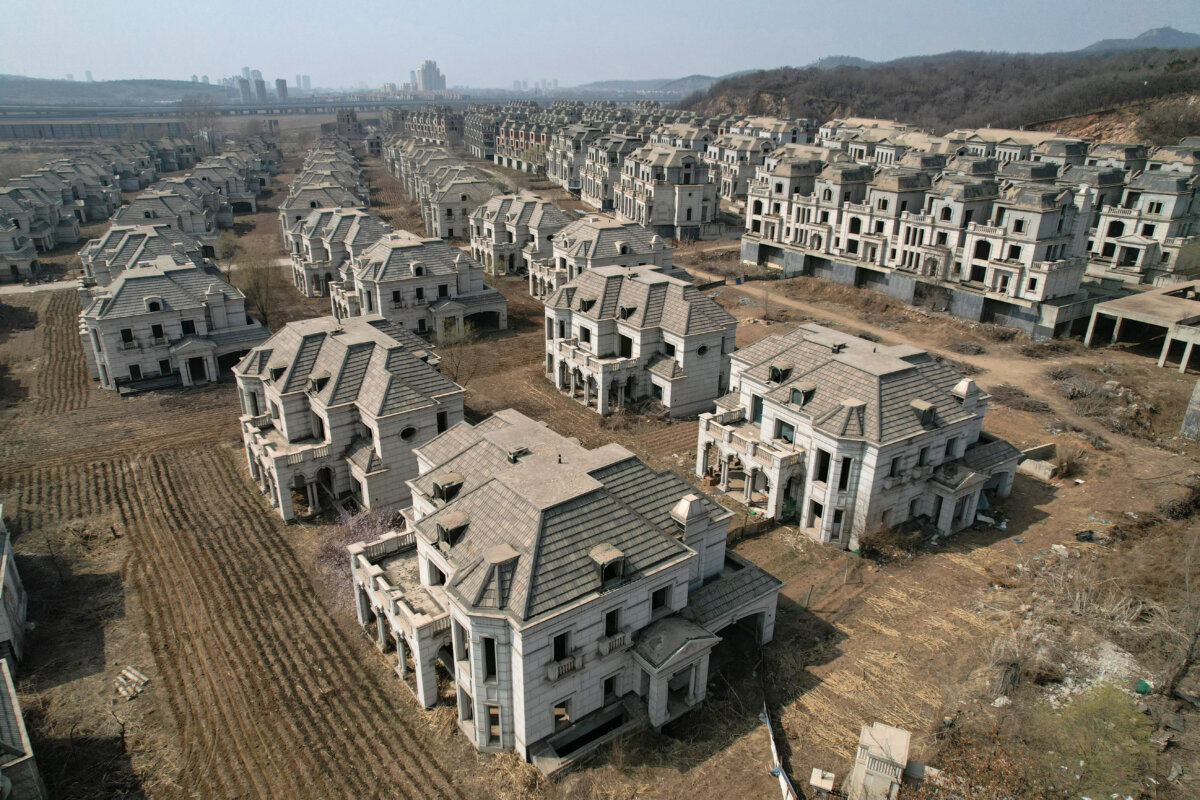
Experts say the layoffs are a direct consequence of China’s real estate collapse.
Professor Sun Kuoh-siang, a business and international affairs expert at Taiwan’s Nanhua University, told The Epoch Times that China’s broader economic downturn has suppressed consumer demand. For platforms like 58.com, which rely on job postings and online service transactions, this environment has proven devastating.
Jiang Pinchao, a renowned U.S.-based Chinese dissident and China watcher, told The Epoch Times that the platform’s decline reflects the ripple effects of widespread real estate bankruptcies.
Rural workers who once flooded major Chinese cities to take construction jobs were the core customer base for 58.com, using it to find jobs and housing. However, with the real estate sector in ruins, many of those workers have returned to rural China, unemployed and unable to rent.
“‘58.com’ lost an entire army of renters,” Jiang said, adding that urban residents, under growing economic pressure, are also cutting costs and avoiding rental upgrades. “The platform’s decline is a textbook example of how the real estate crisis is damaging adjacent industries,” Jiang said.
Another Blow to China’s EV Ambitions
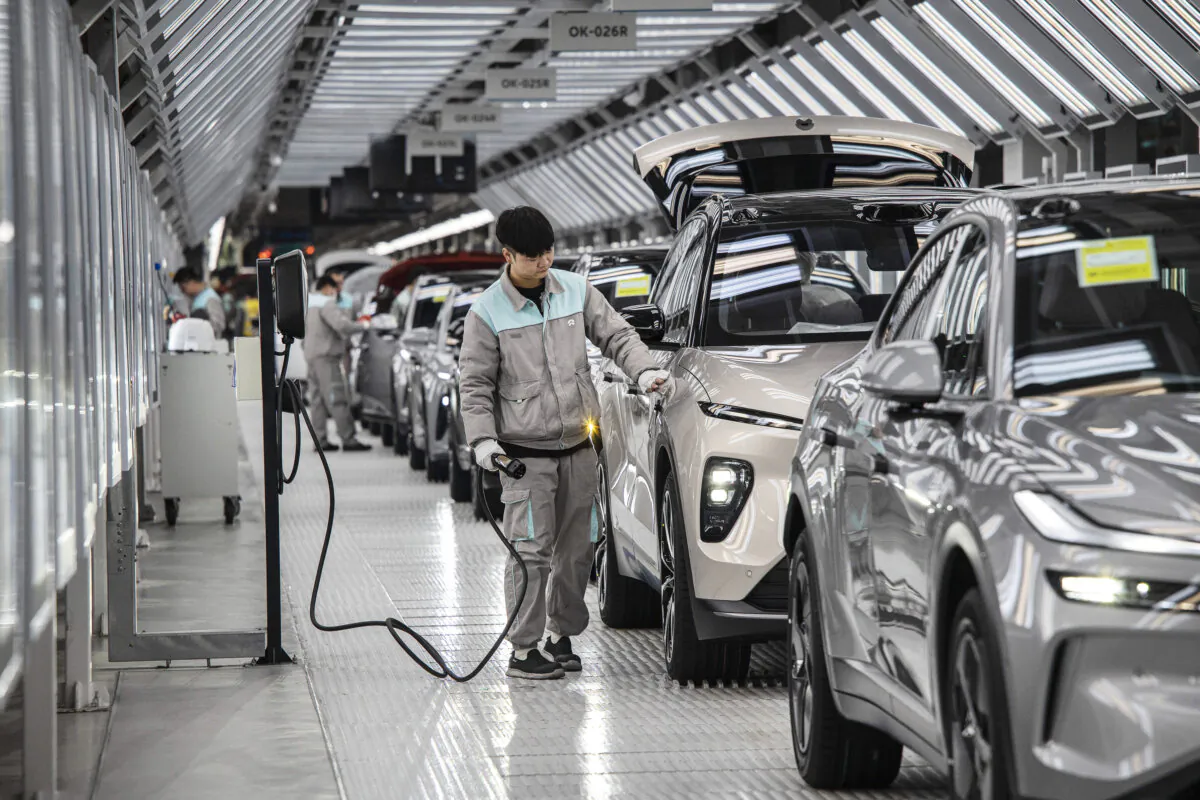
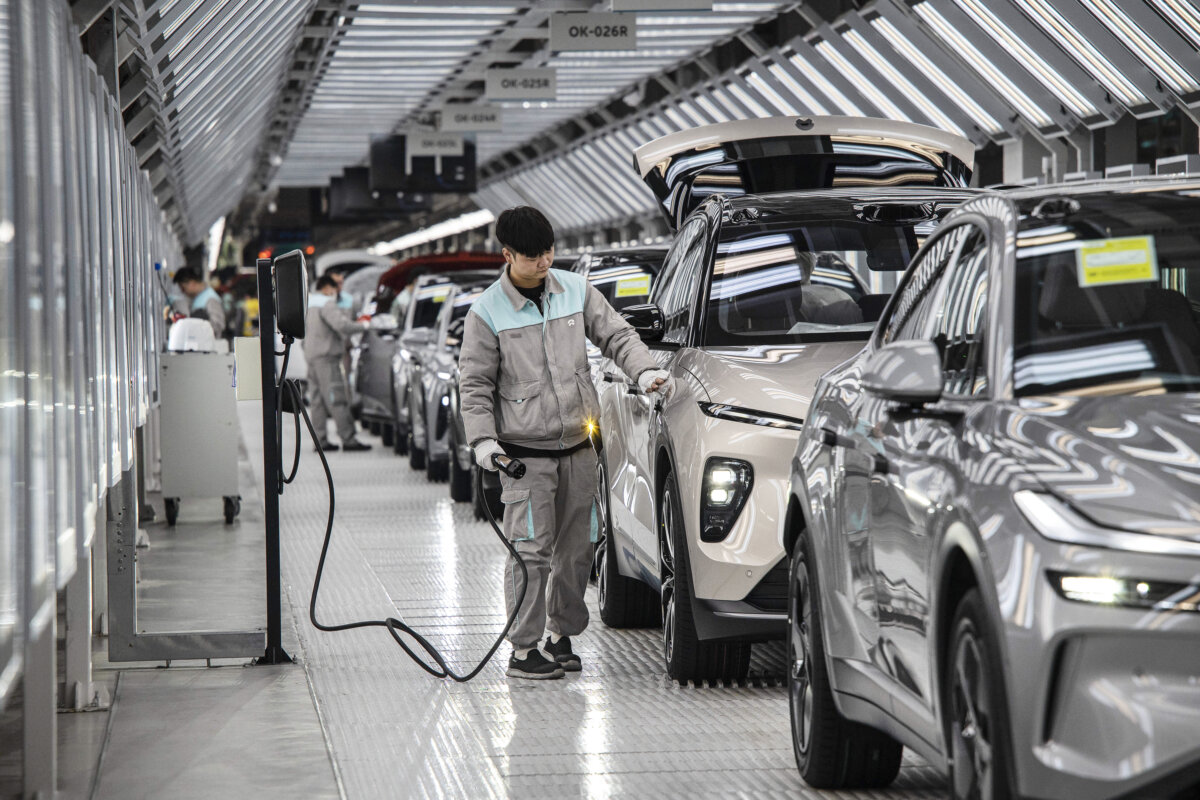
In another major blow to China’s economy, Hozon New Energy Automobile, the parent company of EV brand NETA, is facing bankruptcy proceedings after 1 billion yuan (approximately $140 million) in shares were frozen. Once hailed as a rising star in China’s EV sector, NETA is now struggling to survive amid an increasingly brutal price war.
“The Chinese EV market is oversaturated and plagued by price competition, squeezing profit margins,” said Sun. “Companies without strong core technologies or financial backing are especially vulnerable.”
Jiang noted that NETA relied heavily on low-price competition to gain market share, which made its cars less appealing in export markets, particularly in Europe, where anti-dumping sentiment against cheap Chinese EVs has grown. As exports faltered, domestic competition intensified.
“Compared to major state-backed players like BYD, companies like NETA simply could not keep up,” Jiang said. “In this ‘involution’ spiral of self-cannibalizing competition, the private firms always lose out.”
He added that state-owned enterprises receive preferential treatment and subsidies, which all but guarantee the demise of weaker private players.
While BYD is not state-owned, it is one of the regime’s most heavily state-subsidized companies. It is also deeply involved in the CCP’s military-civil fusion enterprise. The company has research and development centers incubated in three “military-civil fusion enterprise zones,” according to research group Radarlock’s reports from 2019, and it is part of the CCP’s long-term Go-Out strategy from the 1980s to deploy state champions globally to obtain domestically scarce resources abroad and foster comparative advantage.
Oversupply and Overcapacity
China’s real estate sector has long been plagued by oversupply.
Antonio Graceffo, a China economy analyst who has spent more than 20 years in Asia, wrote in a commentary on The Epoch Times earlier this month that President Donald Trump’s trade war with China is pushing the CCP to keep housing prices artificially high to avoid a banking crisis. This demonstrates the risk of default in the real estate sector that could crash the banking system.
Graceffo pointed out that China’s EV sector is also operating at overcapacity, and the United States and EU anti-dumping countermeasures have led to a significant decline in China’s EV exports, with EV and hybrid vehicle exports down 9 percent year-on-year in May.
According to Jiang, the collapse of both the real estate and automobile industries, two of China’s economic pillars, spells long-term trouble. At its peak, real estate made up nearly 30 percent of China’s GDP.
“Without a rebound in the property market,” he said, “a full economic recovery is virtually impossible. Electric vehicles are also collapsing, and we are just at the beginning. “We are in a depression, but we haven’t hit bottom yet.”
Sun echoed the concern, noting that shrinking demand in the property market and automobile sectors also drags down entire supply chains, including construction, building materials, advertising, logistics, and human resources.
“The result is a vicious cycle of job losses and falling consumption,” Sun said. “China is in a state of deep recession.”
Frank Xie, professor of business at the University of South Carolina Aiken, told The Epoch Times that he expects more bankruptcies to follow. “China’s ‘economic winter’ isn’t over—it’s only getting colder,” he said.
Xie pointed out that despite the Chinese regime’s efforts to obscure its economic data, the signs of systemic economic distress are clear. “We’re likely on the path to a full-blown depression,” he said.
Toll on China’s Most Vulnerable Group
Beyond the economic crisis, experts are increasingly concerned about the human toll and the potential for social unrest.
Jiang pointed to rural Chinese workers as the most vulnerable group. Many had left their homes to work in cities, only to be laid off in the downturn.
“Now the cities have no jobs, and when they return to the countryside, there’s no farmland left for them either. So what are they supposed to do?” he said.
He identified China’s rural areas, agriculture, and farmers as the three long-ignored disaster zones.
“If this continues, we could see large-scale uprisings, something like a peasant rebellion [in China’s history],” Jiang said. “After all, the largest segment of China’s demographics is still made up of farmers.”
Cheng Wen and Yi Ru contributed to this report.
 Friends Read Free
Copy
Facebook
Tweet
Friends Read Free
Copy
Facebook
Tweet