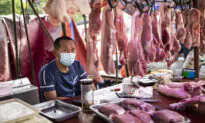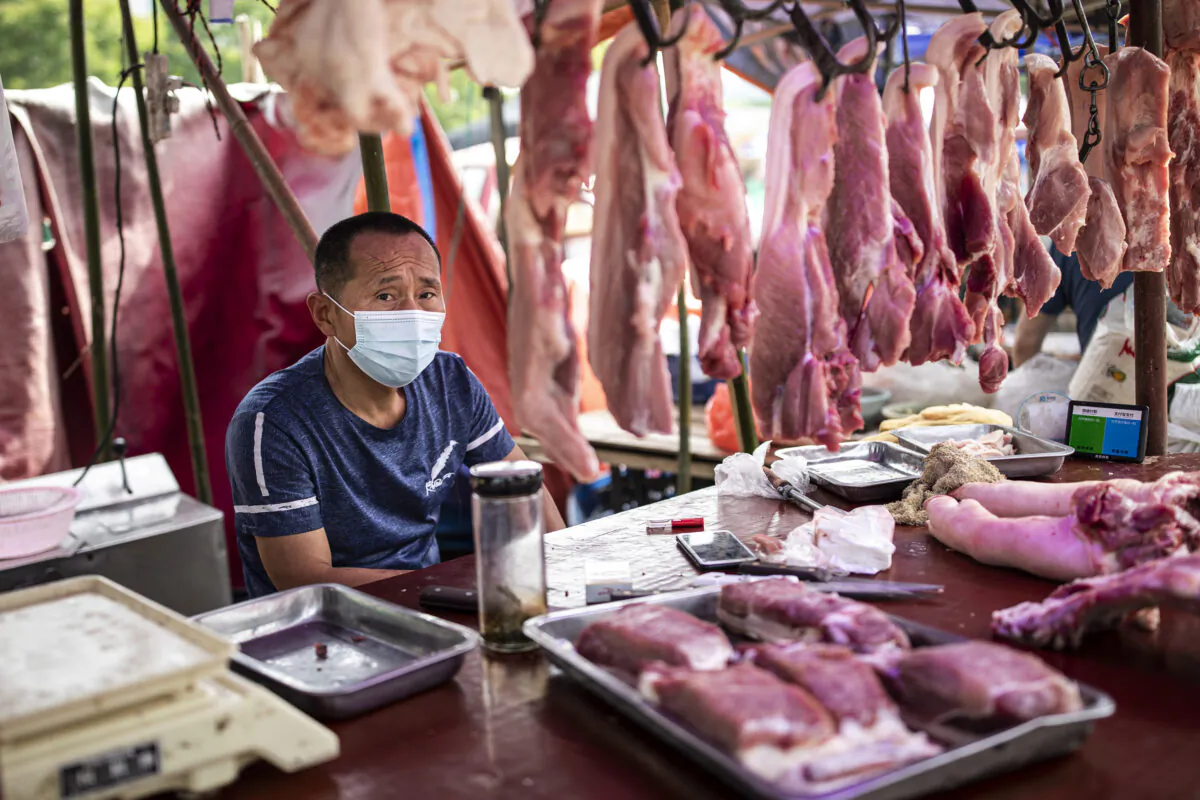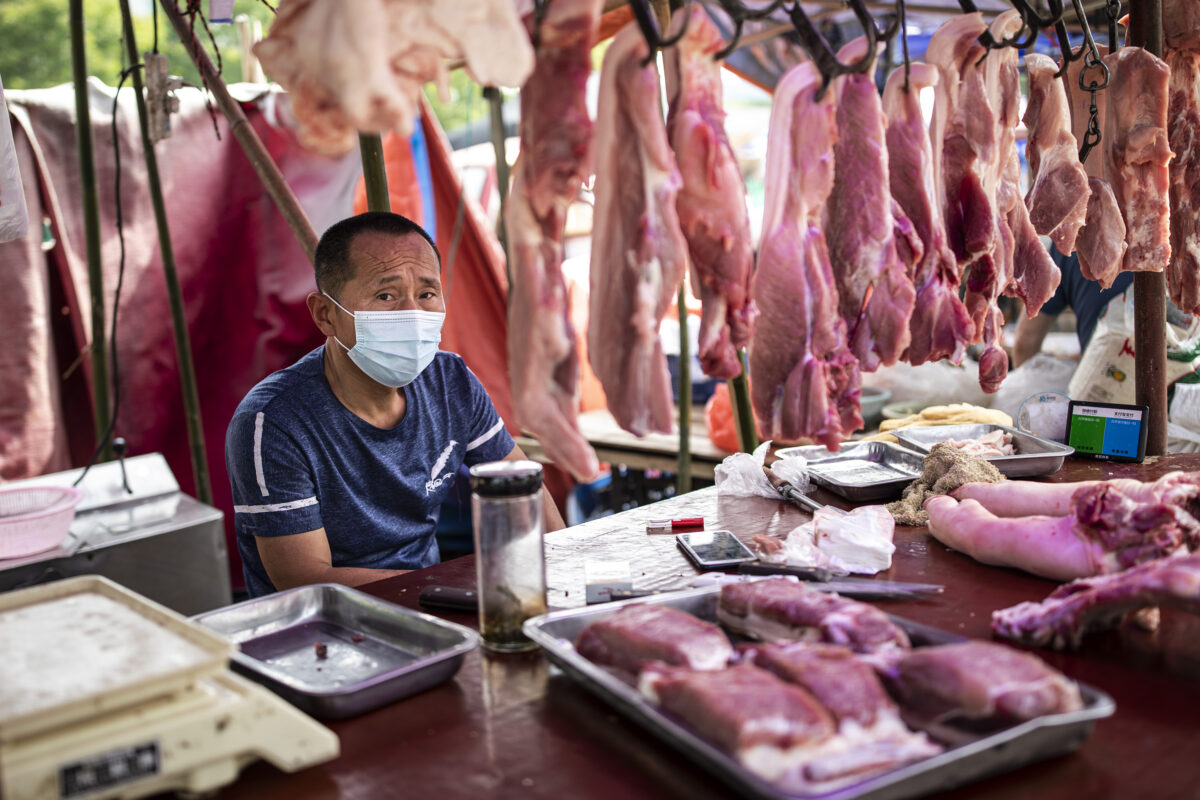

Rising prices of both grain and animal feed triggered by the Iran war have put extra pressure on tens of millions of Chinese pig farmers, while domestic hog prices have hit a 16-year low.
Analysts told The Epoch Times that the root cause of the Chinese hog farmers’ struggle was systemic overcapacity and lasting weak domestic demand caused by the Chinese regime’s economic policies.
Pork is the primary meat in China, accounting for up to 70 percent of total meat consumption.
Pork prices in China have long served as a key indicator for monitoring retail prices, livelihoods, and consumption patterns in the country, reflecting demand, inflation, and structural stability in the agricultural sector.
Soon after the Iran war broke out on Feb. 28, the Iranian regime blocked the Strait of Hormuz, firing at commercial cargo ships and oil tankers. The blockade of this key waterway has driven up international oil prices and the cost of many products, including fertilizers, grains, and animal feed.
March data show that soymeal prices on the Chinese market have risen by 7 percent, while corn has increased by 4 percent. These are the main pig feeds used in China.
Meanwhile, the price for live hogs has plummeted to 9.69 yuan per kilogram ($1.45), marking a 16-year low.
It’s estimated that the cost of raising a live hog weighing 60–62.5 kilograms ranges from 12.2 to 12.5 yuan per kilogram ($1.83–$1.88), meaning that farmers suffer a loss of 280–350 yuan ($42–53) for every hog sold.
Since 2025, prices for hogs in China have kept declining. Last October, the average price fell below the 11 yuan ($1.59) per kilogram threshold. Following the Chinese new year holidays that fell on Feb. 17 this year, the prices have continued to drop.
At the end of 2025, China’s live pig inventory stood at 429.67 million head, an increase of 2.24 million from the end of 2024, while pork consumption in China reached its limit.
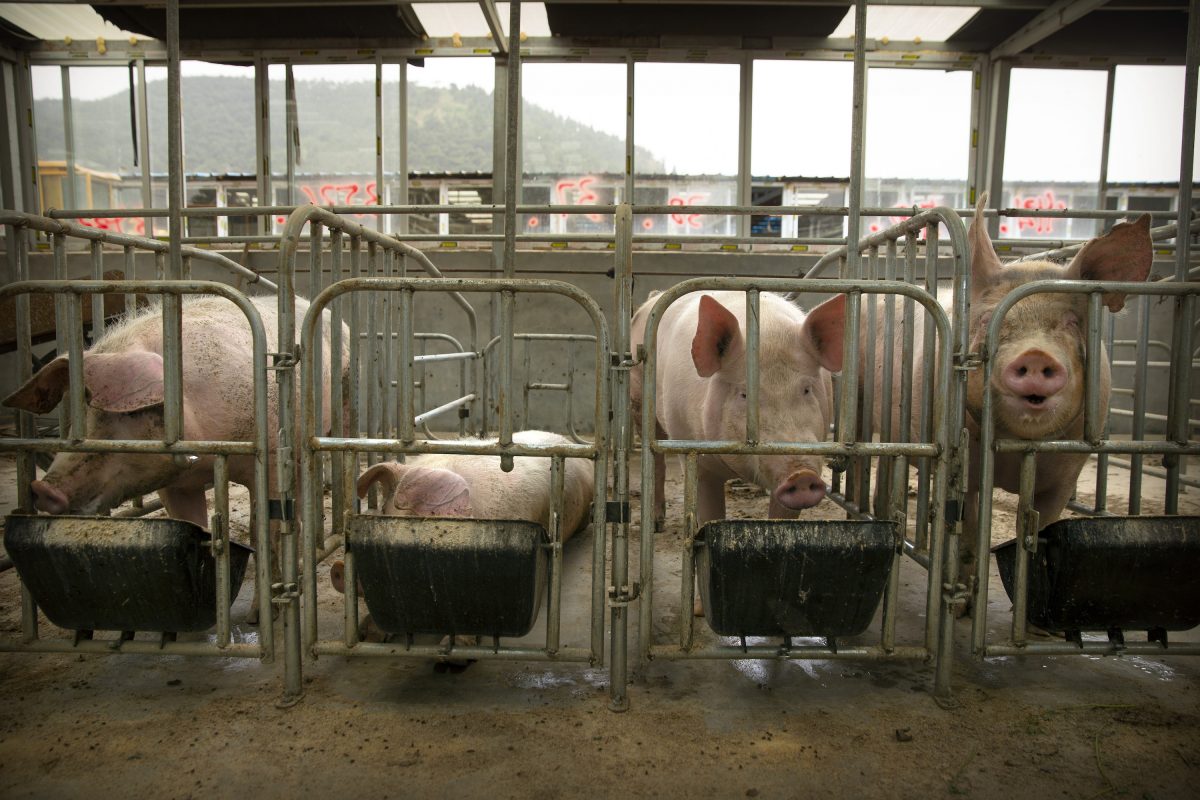
The pressure that the Chinese pig farmers are facing is “the epitome of China’s weak domestic demand and the fragility of its agricultural supply chain,” Davy J. Wong, a U.S.-based independent economist told The Epoch Times.
Overcapacity Coupled With Weak Consumption
Wong attributes the decline in hog prices to oversupply and weak demand.
“On one hand, excessive production expansion in the preceding period has left the breeding sow inventory at levels still exceeding the official target; on the other hand, consumer-side recovery remains sluggish, and overall domestic demand is subdued—consequently, prices have been driven down to very low levels.”
Meanwhile, pork prices have been declining in China. As of March 26, the average price of pork at wholesale markets nationwide stood at 15.65 yuan ($2.27) per kilogram, a decrease of 0.9 percent from the previous day, according to data released by China’s ministry of agriculture, further declining from 15.98 yuan ($2.31) per kilogram on March 20 and 16.17 yuan ($2.34) per kilogram on March 13.
The primary reasons for the price drop are the expansion of production capacity prompted by the Chinese regime and currently sluggish consumer demand, Wang He, a U.S.-based China analyst, told The Epoch Times.
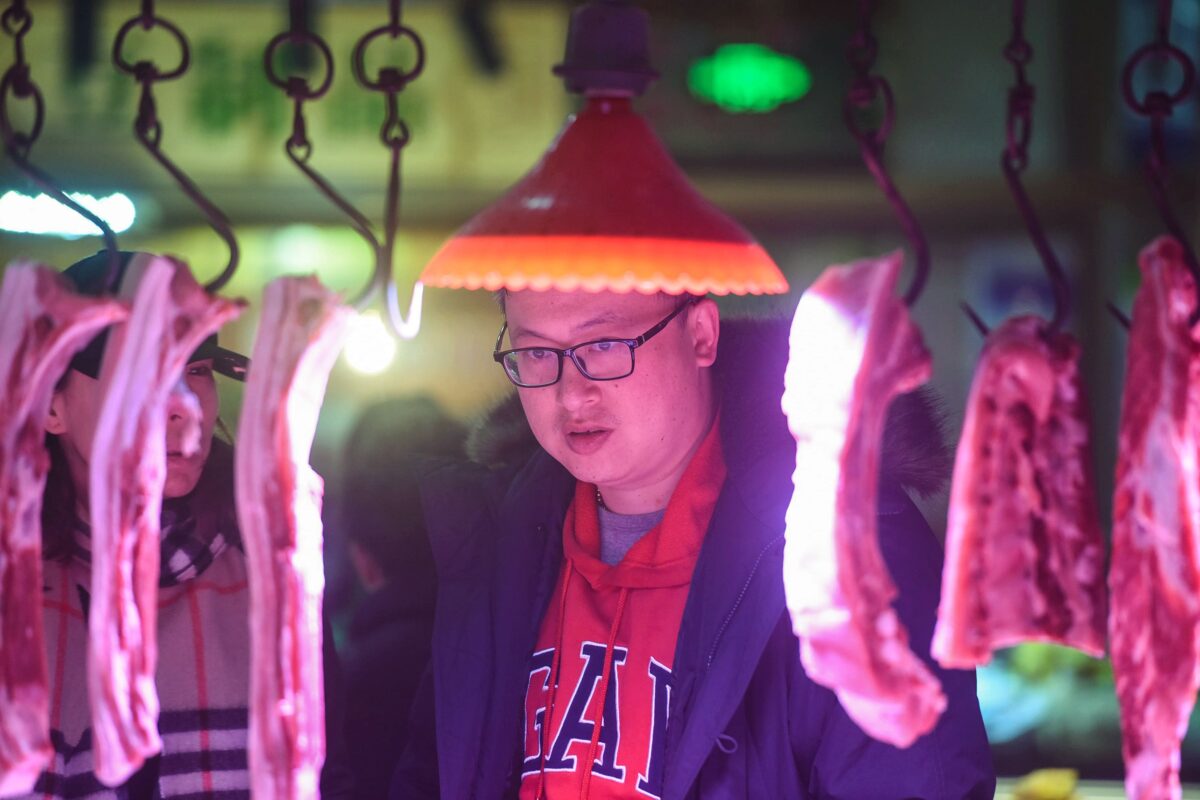
Market concentration in pig farming is rising rapidly in China as the industry shifts toward fewer, larger operations, Wang noted.
According to public data, from 2008 to 2023, the number of individual farmers had declined by more than 52 million—a reduction of over 72 percent, with only about 20 million remaining.
In 2025, the market share of large-scale pig farms—those with an annual output exceeding 500 head—surpassed 70 percent.
“This structural adjustment within China’s pig farming sector is making life increasingly difficult for many small and medium-sized enterprises, while larger firms are poised to capture an ever-larger share of the market,” Wang said.
Under the current circumstances—characterized by overall capacity expansion, falling prices, and rising production costs—the pig farming sector is facing further polarization, he said.
The Iran war has driven up costs across the entire supply chain for agricultural inputs, Wong said.
In March, the prices of key raw materials for pig feed in China rose significantly for multiple reasons, he said, “including rising oil prices, which have pushed up transportation and shipping costs; and surging fertilizer prices—triggered by the rising oil price—which have further inflated both crop cultivation and feed production costs. Furthermore, prices for various feed additives—such as lysine, methionine, fish meal, and vitamins—have also risen in tandem.”
But Wong emphasized that the conflict in Iran has not disrupted oil shipments from Iran to China.
“These shipments remain above 1 million barrels per day. The only reason prices have risen—and consumers are being squeezed—is that China’s entire energy sector is monopolized by the Chinese regime’s state-owned enterprises, allowing it to seize this opportunity to hike prices.”
Dim Prospects
Whether the hog market can stabilize hinges critically on whether breeders can reduce their sow inventories to restore balance between supply and demand, Wong said. “If everyone simply holds out and refuses to reduce, it will be extremely difficult for prices to recover.”
The most vulnerable are undoubtedly the small- and medium-sized livestock farmers, as they have limited resilience against risk, weak bargaining power, and even poorer access to financing channels, Wong said.
What is most likely to happen next, he predicted, “is an accelerated shakeout of these small- and medium-sized pig farmers, leading to further industry consolidation and an increased market share for large-scale enterprises.”

Low pork prices may appear to be good for consumers in the short term, Wong said. “However, as this trend is underpinned by financial losses for farmers, pressure on employment, and declining rural incomes, it’s ultimately bad for the whole economy.”
The difficulties for China’s pig farmers are a reflection of deflation within the Chinese economy—a problem that has long been severe, Frank Xie, professor of business at the University of South Carolina Aiken, told The Epoch Times.
“Fundamentally, it reflects a decline in the purchasing power of the average Chinese citizen,” he said. “Due to unemployment and economic recession, people’s incomes have fallen; lacking confidence in the future, they have cut back on spending. This deflationary pressure has, in turn, driven down pork prices—and that is where the true problem lies.”
The rise in global feed prices because of the war will ultimately drive up the costs of all agricultural products—specifically, the prices of goods in the animal husbandry and livestock sectors, Xie said. “Although China has not yet felt the immediate impact [in those sectors], it will soon be affected.”
Fundamentally, Xie said that “China’s overarching challenges remain economic deflation, recession, rising unemployment, and diminishing purchasing power.”
Wong said that on the surface, the issue of pork prices appears to be an agricultural matter. “However, at a deeper level, it is fundamentally a problem of consumption in the Chinese economy.”
If this happens in Western nations, he said, resolving the issues is imperative for politicians, who need to secure votes.
Yet, for the Chinese regime, the logic is entirely different, Wong said.
“Although they will roll out superficial policies, there is no intention of addressing the root causes—for instance, by dismantling monopolies, granting equitable treatment to private enterprises to improve citizens’ livelihoods, reducing the tax burden while bolstering social safety nets, or undertaking structural economic reforms. None of these measures will happen under the Chinese communist regime,” he predicted.
If the Iran war does not last long, the feed price increase is just a short-term fluctuation, Wang said.
“Chinese hog farming enterprises, however, are constrained by long-term and structural factors—specifically, the increasing concentration within the industry and the overall trend toward large-scale, industrialized farming. The Chinese government is actively promoting this very policy,” he said.
Luo Ya, Liu Yi, and Reuters contributed to this report.
 Friends Read Free
Copy
Facebook
Tweet
Friends Read Free
Copy
Facebook
Tweet