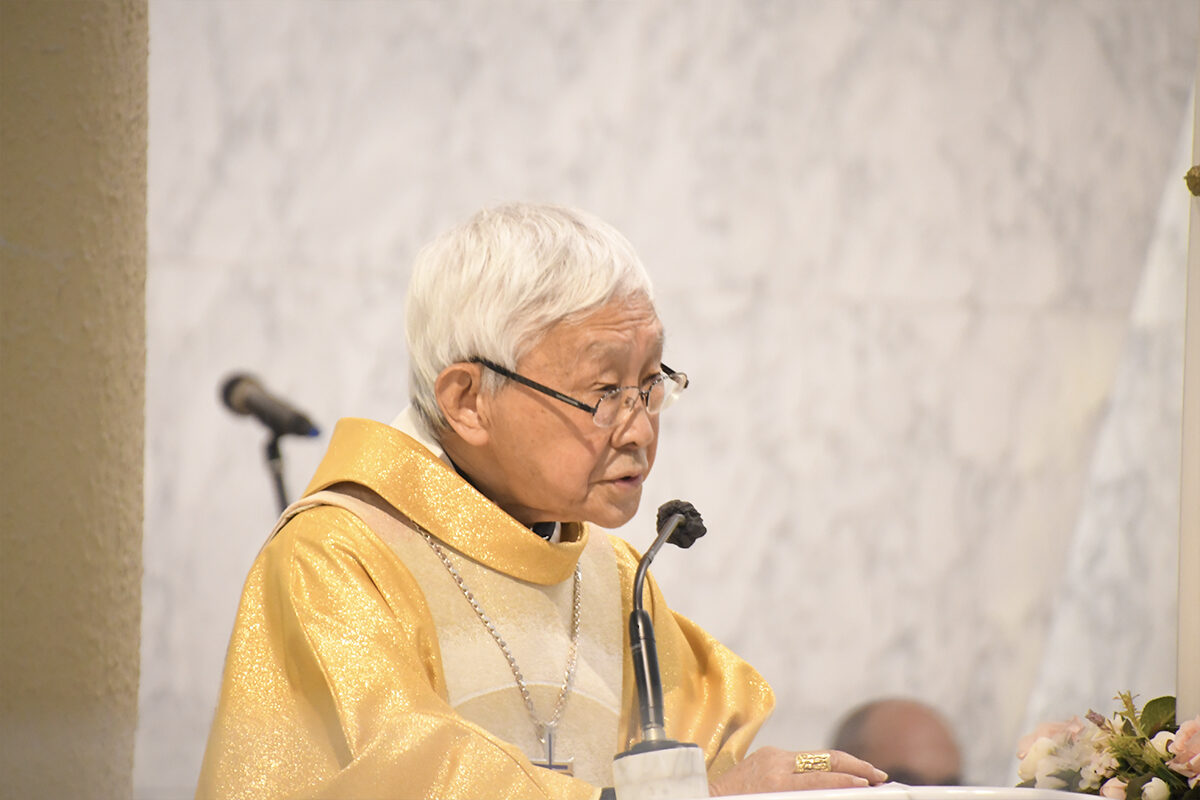

HONG KONG—A Hong Kong court on Thursday dismissed appeals brought by a 94-year-old Roman Catholic cardinal and four others over their convictions for failing to register a now-defunct fund that aimed to help people arrested during pro-democracy protests in 2019.
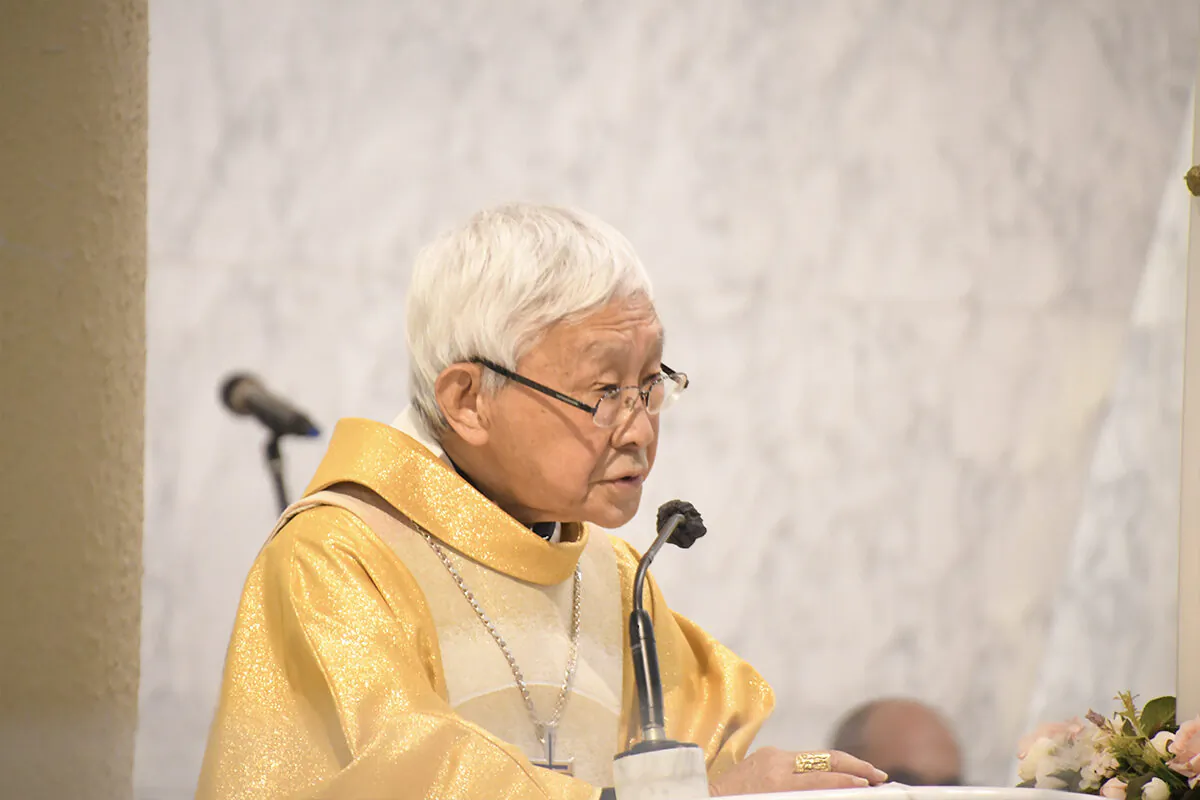
Cardinal Joseph Zen, a retired bishop and vocal advocate for democracy in the city, was a trustee of the 612 Humanitarian Relief Fund, which helped pay medical and legal fees for arrested protesters until it ceased operations in October 2021. The other defendants—singer Denise Ho, scholar Hui Po Keung, and former pro-democracy lawmakers Margaret Ng, and Cyd Ho—also served as trustees.
The five were found guilty and fined 4,000 Hong Kong dollars ($512) each in 2022 for breaching the Societies Ordinance, which requires local organizations to register or apply for an exemption within a month of their establishment. Their convictions were the first of their kind.
Observers say the case was significant to the city’s freedom of association and it has been closely watched amid the city’s drastic political changes following the 2019 protests.
Zen and the four others were first arrested in 2022 on suspicion of colluding with foreign forces under a Beijing-imposed national security law, although they were not charged under that law. Zen’s arrest at that time sent shockwaves through the Catholic community.
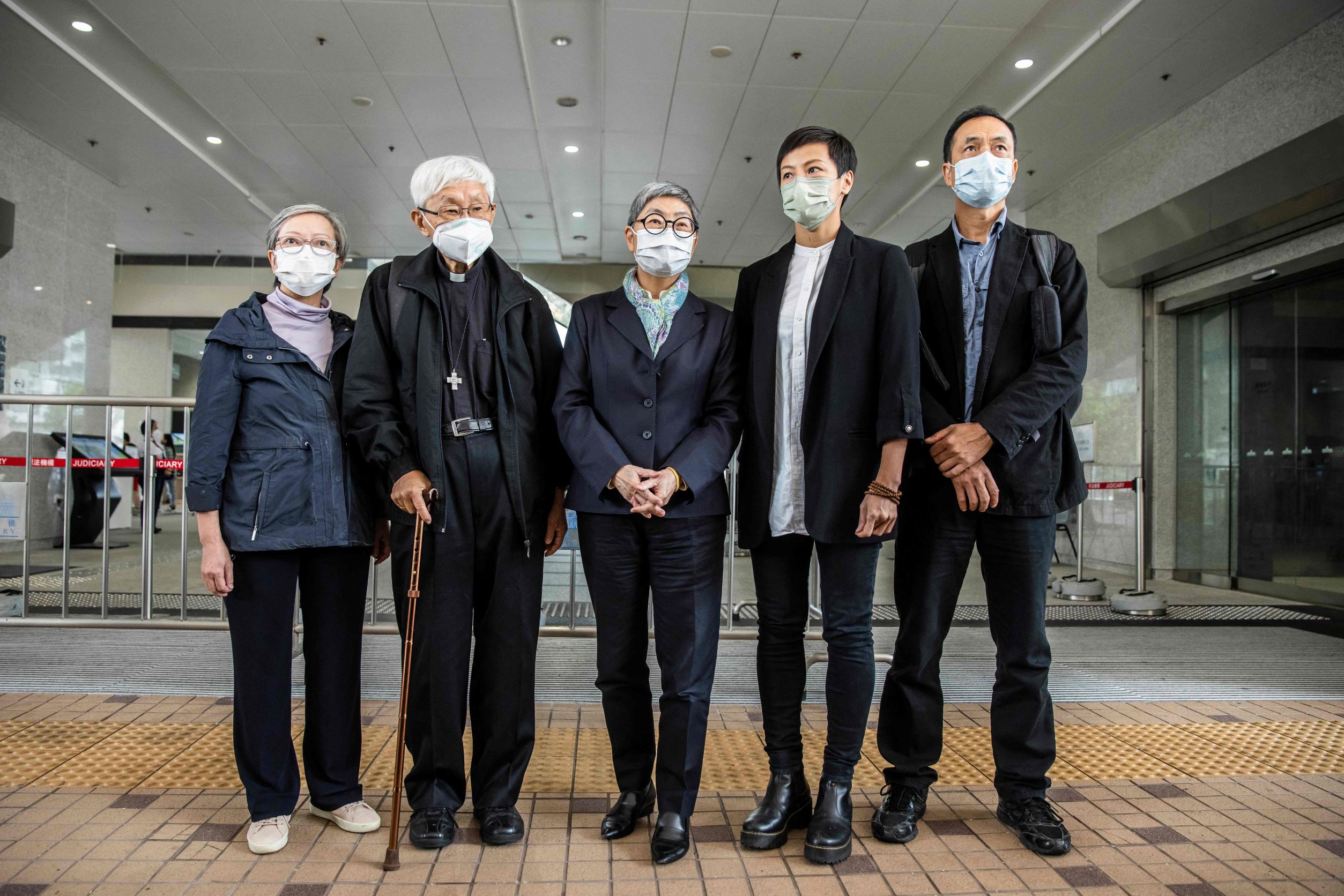 (L–R) Former lawmaker Cyd Ho, Cardinal Joseph Zen, human rights barrister Margaret Ng, activist and singer Denise Ho, and professor Hui Po-keung pose for a photo outside West Kowloon Court in Hong Kong on Nov. 25, 2022. (Isaac Lawrence/AFP via Getty Images)
The mass protests in 2019 were sparked by a since-withdrawn bill that would have allowed criminal suspects to be extradited to mainland China, but later morphed into a broader movement demanding greater democracy and freedoms in the face of the Chinese regime’s growing control over Hong Kong. Over several months, millions of people came to the streets to protest; they were often met with riot police who fired tear gas and water cannons to disperse them.
The Beijing-imposed security law has crippled Hong Kong’s pro-democracy movement since its enactment in 2020, with many activists being jailed under it. The impact of the law has also damaged faith in the freedoms of the former British colony, which returned to Chinese rule in 1997. Beijing and Hong Kong authorities insist the law is necessary for the city’s stability.
 Friends Read Free
Copy
Facebook
Tweet
Friends Read Free
Copy
Facebook
Tweet