The Hong Kong government summoned the British and Australian envoys on Monday over the two countries’ decisions to grant asylum to two activists.
In a statement Hong Kong authorities on Monday accused the UK and Australia of “shielding criminals” with their decisions to grant asylum to Tony Chung and Ted Hui, respectively.
Chung and Hui have both been targeted under Hong Kong’s National Security Law, which was imposed by Beijing in 2020 following months of pro-democracy protests and unrest in 2019.
The law significantly eroded freedoms promised by the Chinese communist regime when the United Kingdom agreed to hand back the former British territory to China in 1997.
The summoning of the envoys is the latest in a series of moves and diplomatic exchanges relating to the freedom of Hong Kongers who have fled to other nations.
In July, Hong Kong authorities prompted accusations of “transnational repression” from Secretary of State Marco Rubio when they issued arrest warrants and bounties for activists living in the United States.
The latest episode was sparked when Chung and Hui revealed they had been granted asylum by their new countries of residence.
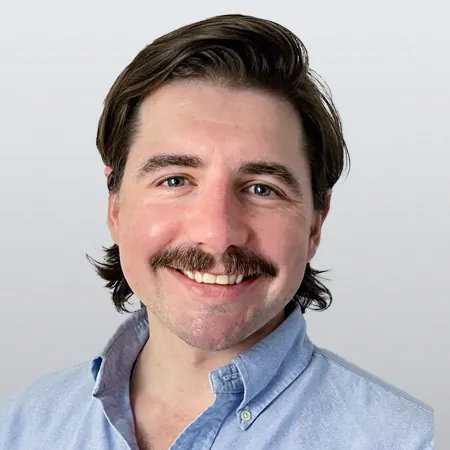
Former student activist Chung revealed in an X post on Sunday that he had been granted asylum by the UK government earlier this month.
“On Aug 4, I received a UK Home Office email confirming my #refugee status under the 1951 Convention due to political persecution in Hong Kong,” he wrote.
“Granted 5-year residence permit.”
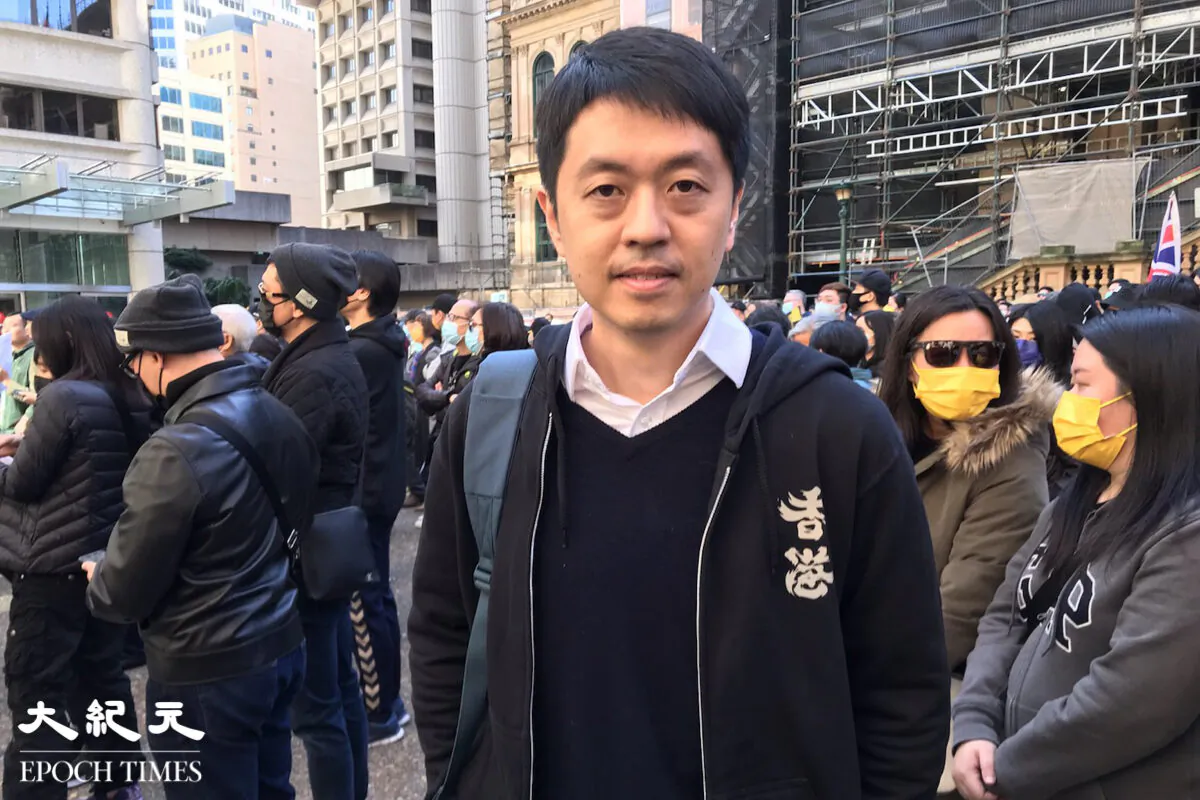
On Saturday, former lawmaker Hui announced in a Facebook post that he had been granted asylum by Australia, where he has lived with his family since 2021.
“On 15 August 2025, I received formal notification from the Australian Department of Home Affairs that I have been granted asylum in Australia through the grant of a Protection Visa,” Hui wrote.
“We tried hard to explain to Australian society why and how we in Hong Kong lost our freedom—why we had to leave a homeland we love and where our most precious memories remain.”
“That freedom was not surrendered, but taken by repression, even as we fought to defend it; and in standing for democracy, we were driven into exile,” he added.
The former politician, 43, now works as a lawyer in the Australian city of Adelaide, having qualified in 2023.
In December 2020, Hui left Hong Kong and initially sought refuge in the UK through Denmark before arriving in Australia in March 2021.
Hui also called on the Australian government not to forget those still imprisoned in Hong Kong, such as former Apple Daily owner Jimmy Lai.
Lai, 77, was arrested in August 2020 in the aftermath of mass protests against Hong Kong’s national security law, widely seen as the Chinese Communist Party’s (CCP) attempt to clamp down on dissent and erode the city’s autonomy.
Since his arrest, Lai has been charged with multiple offenses under the law, including conspiracy to “collude with foreign forces,” which could land him in prison for life.
He also faces a charge under a colonial-era statute for conspiracy to publish “seditious material,” stemming from numerous Apple Daily op-eds carrying his byline.
Lai has pleaded not guilty to all charges.
Last week, President Donald Trump said he would do what he could to help secure the release of the incarcerated media tycoon.
Speaking on Aug. 14 on Fox News Radio’s “The Brian Kilmeade Show,” Trump said he had urged the CCP to free Lai during his first term and that he is willing to raise the issue again, should he meet with Chinese leader Xi Jinping in the future.
“I’m going to be bringing it up—I’ve already brought it up—and I’m going to do everything I can to save him,” Trump said, calling the self-made millionaire a “respected guy” and a “good guy.”
Both Hui and Chung are also among numerous overseas activists subject to 1 million Hong Kong dollars ($128,000) police bounties over allegations they endangered national security while overseas.
Another round of these arrest warrants and bounties were issued in July, for 19 activists based abroad, including some in the United States, accusing them of being suspected of organizing, establishing, or taking part in a group called the “Hong Kong Parliament.”
This move provoked criticism from U.S. Secretary of State Marco Rubio who said in a statement on July 26 that the “extraterritorial targeting of Hong Kongers who are exercising their fundamental freedoms is a form of transnational repression.”
“We will not tolerate the Hong Kong government’s attempts to apply its national security laws to silence or intimidate Americans or anyone on U.S. soil,” he added.
The Hong Kong government has also revoked the passports for most of these 19 activists, most recently on Aug 4 when it relieved another 12 of their travel documentation.
Bill Pan contributed to this report.
 Friends Read Free
Copy
Facebook
Tweet
Friends Read Free
Copy
Facebook
Tweet