
This article includes affiliate links, which may earn us a commission, to support truthful and independent journalism (at no extra cost to you).
For many of us, dogs are more than pets. They are companions, helpers, protectors, and quiet sources of comfort on difficult days—whether it is a service dog calmly staying by someone’s side, a search-and-rescue dog working after a disaster, or the dog at home who follows us from room to room and becomes part of the family.
There are countless moving stories about the bond between people and dogs. One of the most famous is Hachikō of Japan, the loyal dog remembered for waiting for his owner for nearly ten years—a story that continues to symbolize a dog’s extraordinary devotion.
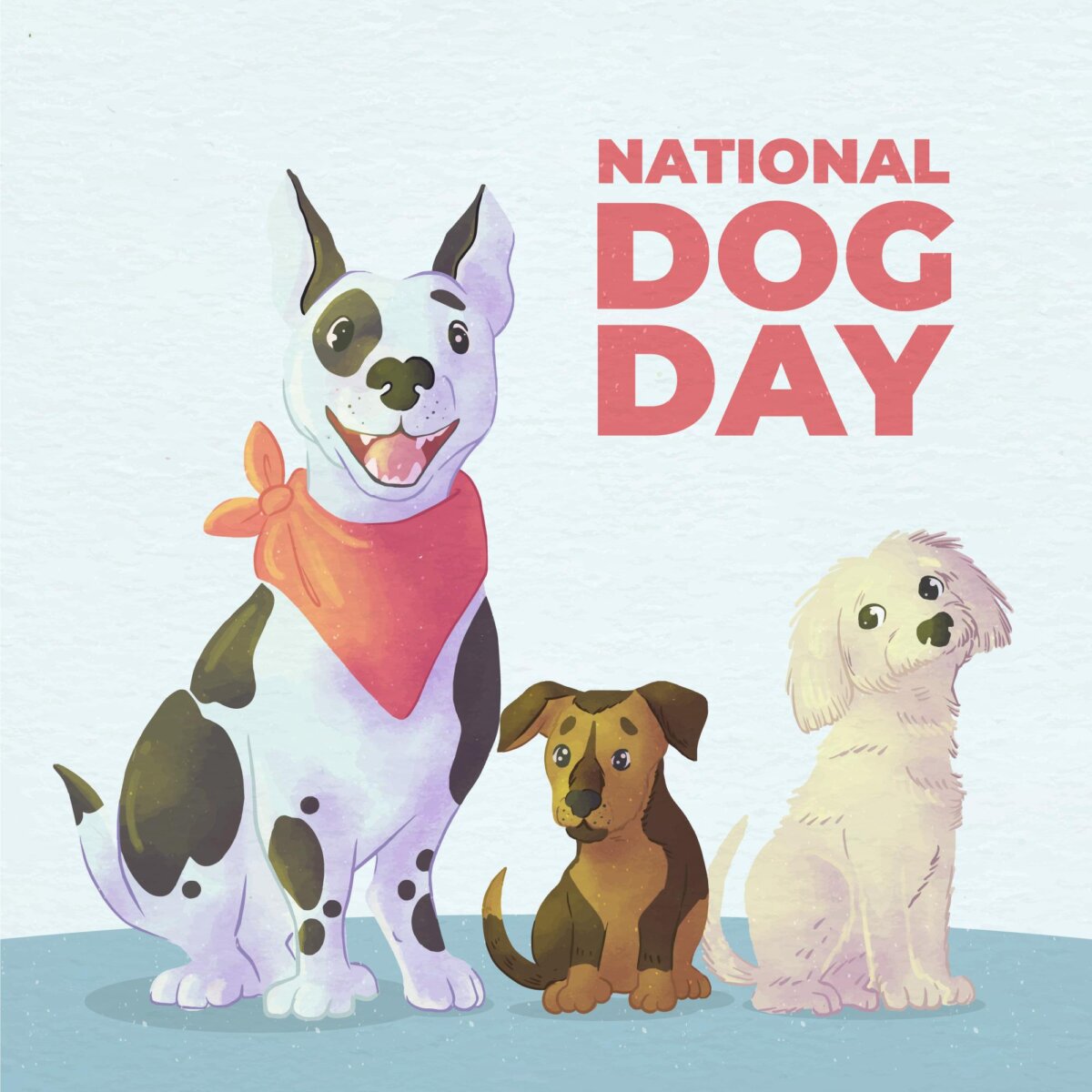
National Dog Day, observed on August 26, was founded in 2004 by pet expert Colleen Paige. The day helps raise awareness of dogs in need of rescue while also honoring family pets and working dogs—the dogs who comfort us, help us, protect us, and sometimes even save lives.
For many people, National Dog Day is a warm reminder to appreciate the companionship already in our lives. It is also a reminder to care for the dogs who have given so much to humans in so many different ways.
So this National Dog Day, what can we do to give a little back?
🐾 A Simple Checklist for Dog Parents
National Dog Day can be a good reminder to check some of the everyday details that help keep our dogs healthy, safe, and comfortable.
1. Schedule the next wellness check
See whether your dog is due for an annual exam, dental checkup, vaccinations, or other preventive care. Planning ahead can give you peace of mind.
2. Review vaccinations and medical records
Make sure vaccination records are up to date, and keep prescriptions, allergy information, and other health notes organized.
3. Update ID tags and microchip information
Check that your dog’s ID tag has the right phone number and address, and confirm that the microchip registration is current.
4. Check licenses and important documents
If your city or county requires a dog license, see whether it needs renewal. Pet insurance and vaccination certificates can also be reviewed.
5. Inspect collars, leashes, and harnesses
Make sure they still fit well and check for wear, cracks, loose buckles, or anything that could affect safety.
6. Restock grooming and dental supplies
Check shampoo, wipes, brushes, toothbrushes, toothpaste, and other daily care items. Replace anything that is old or running low.
7. Revisit food and treats
Your dog’s nutritional needs can change with age, weight, and activity level. Check whether the current food still fits, and review expiration dates and treat portions.
8. Toss damaged toys and make time to play
Replace toys that are cracked, torn, or unsafe. More importantly, make time to play, walk, or simply be together.
9. Take a new photo
A recent photo is a sweet memory and may also be useful if your dog ever gets lost. Keep a few clear pictures easy to find.
🐶 Don’t Forget the Dogs Still Waiting for a Home
National Dog Day is not only a day to celebrate the dogs by our side. It is also an opportunity to remember those in shelters and rescue organizations who are still waiting for a home.
Looking to Adopt or Help? Here Are a Few Places to Start
ASPCA
A well-known animal welfare organization with adoption resources and tools to help you find dogs available through shelters and rescue groups.
https://www.aspca.org/adopt-pet
Best Friends Animal Society
A national animal welfare organization that supports adoption, fostering, volunteering, and rescue efforts across the country.
https://bestfriends.org/adopt
Humane World for Animals
A national organization that provides resources on adoption, animal rescue, fostering, and ways to support pets in need.
https://www.humaneworld.org
Beyond adoption, there are many other ways to help. You can donate dog food, blankets, toys, and cleaning supplies to a local shelter, volunteer your time, or support rescue organizations in your community. Sometimes even a small act of kindness can make a lasting difference for a dog.
Caring for dogs also comes down to the small things we do for them every day. With that in mind, we gathered a few popular products across common everyday categories, including toys, dental and ear care, home care, treats, health supplies, and outdoor essentials. These products are not meant to cover every dog’s needs, but they can offer a helpful starting point if you are looking to refresh your dog’s daily supplies or compare a few practical options.
-
Toys
-
Dental & Ear Care
-
Home Care
-
Dog Treats
-
Health Supplies
-
Outdoor
Toys
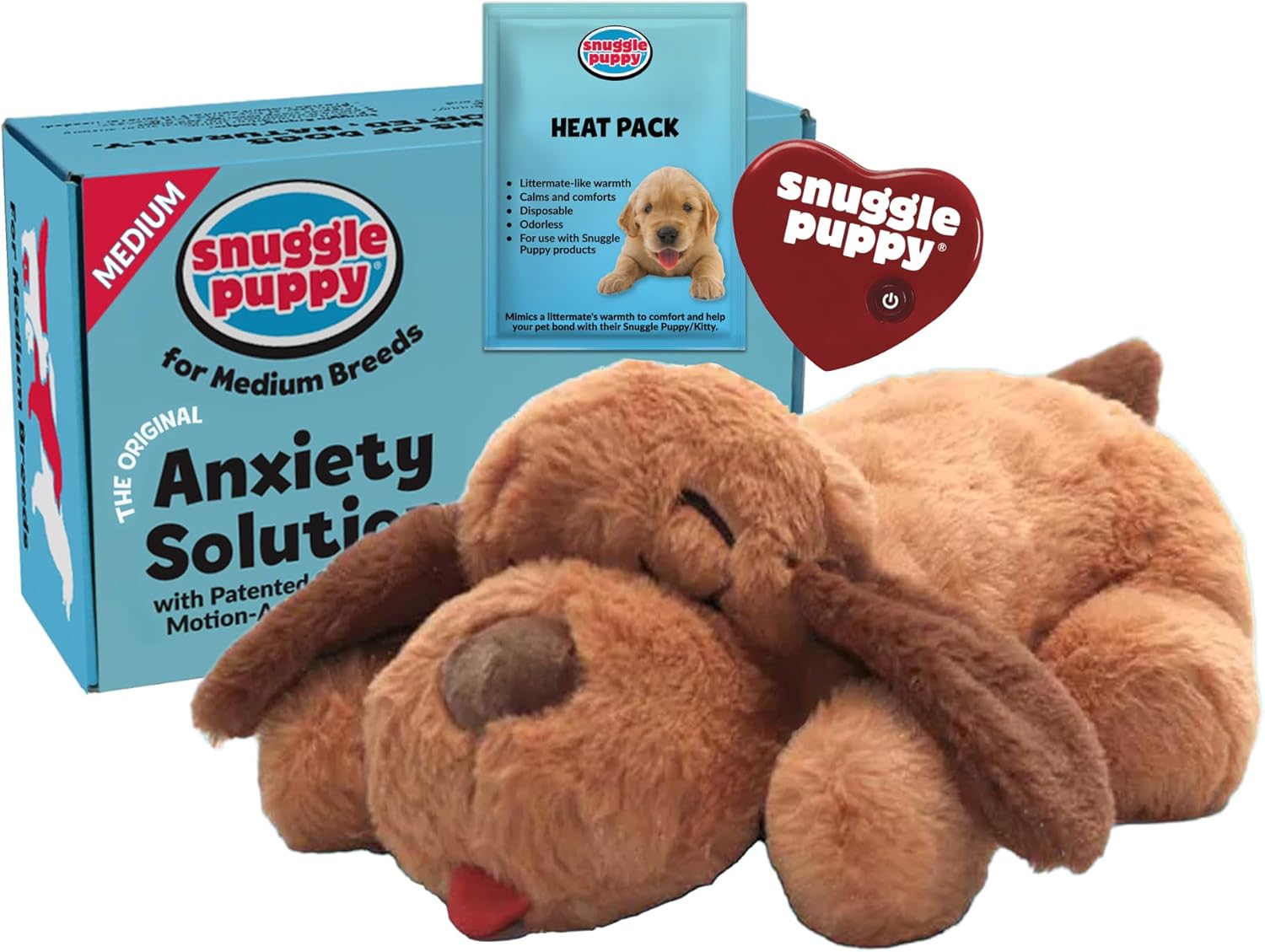
Toys can provide more than entertainment. Depending on the dog, they can encourage exercise, provide mental stimulation, offer comfort, or simply create another opportunity to spend time together.
Dental & Ear Care
Teeth and ears are easy parts of routine care to overlook. A few simple products can make regular cleaning easier, although persistent dental problems, odors, redness, or ear irritation should be discussed with a veterinarian.
Home Care
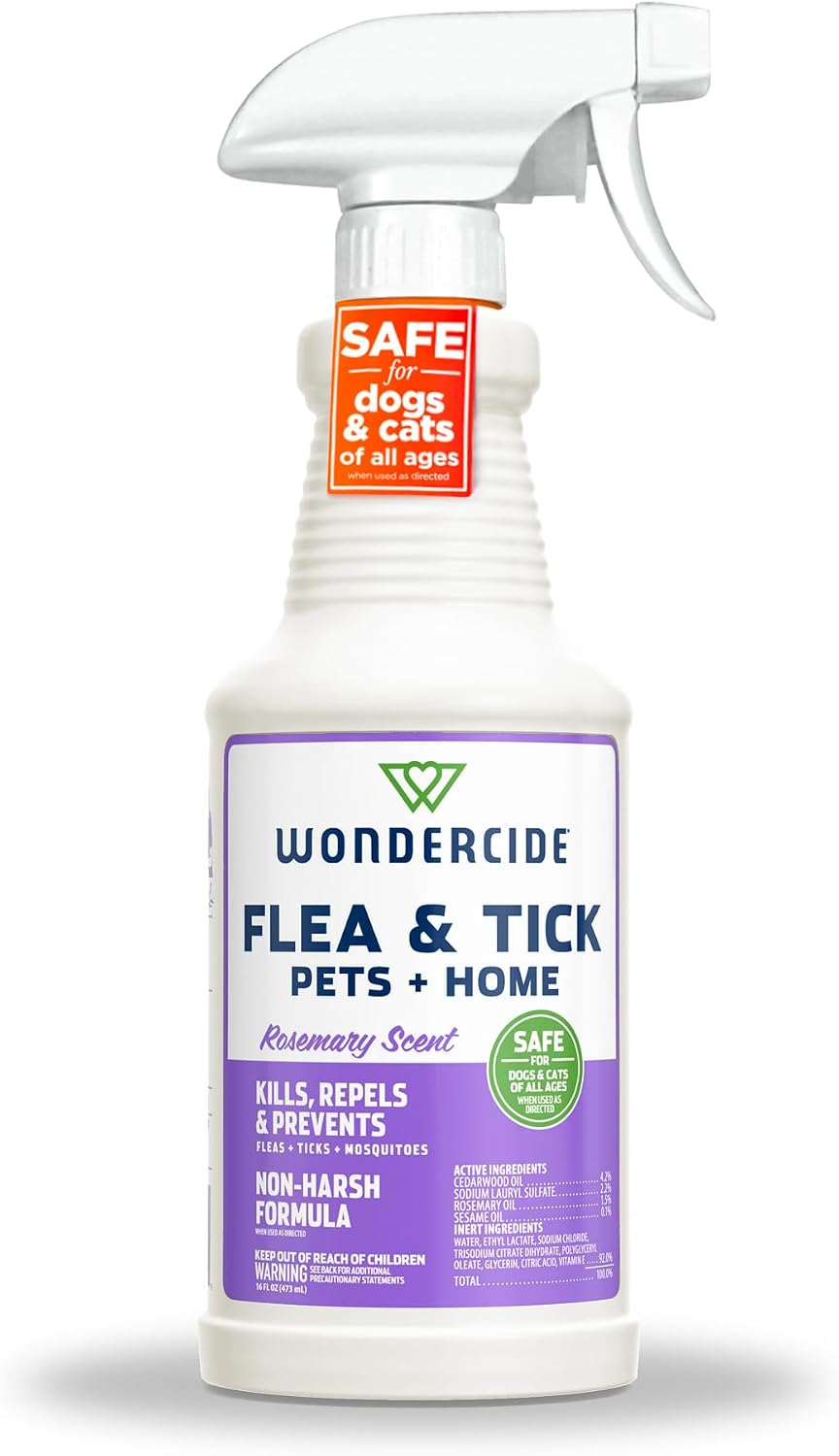
A dog-friendly home also means keeping their resting areas clean, comfortable, and easy to maintain. These products focus on everyday cleanup, grooming, hydration, and comfort.
Dog Treats
Treats can be useful for training, rewarding good behavior, or simply sharing a small moment with your dog. Portion size still matters, particularly when treats are given frequently.
Health Supplies
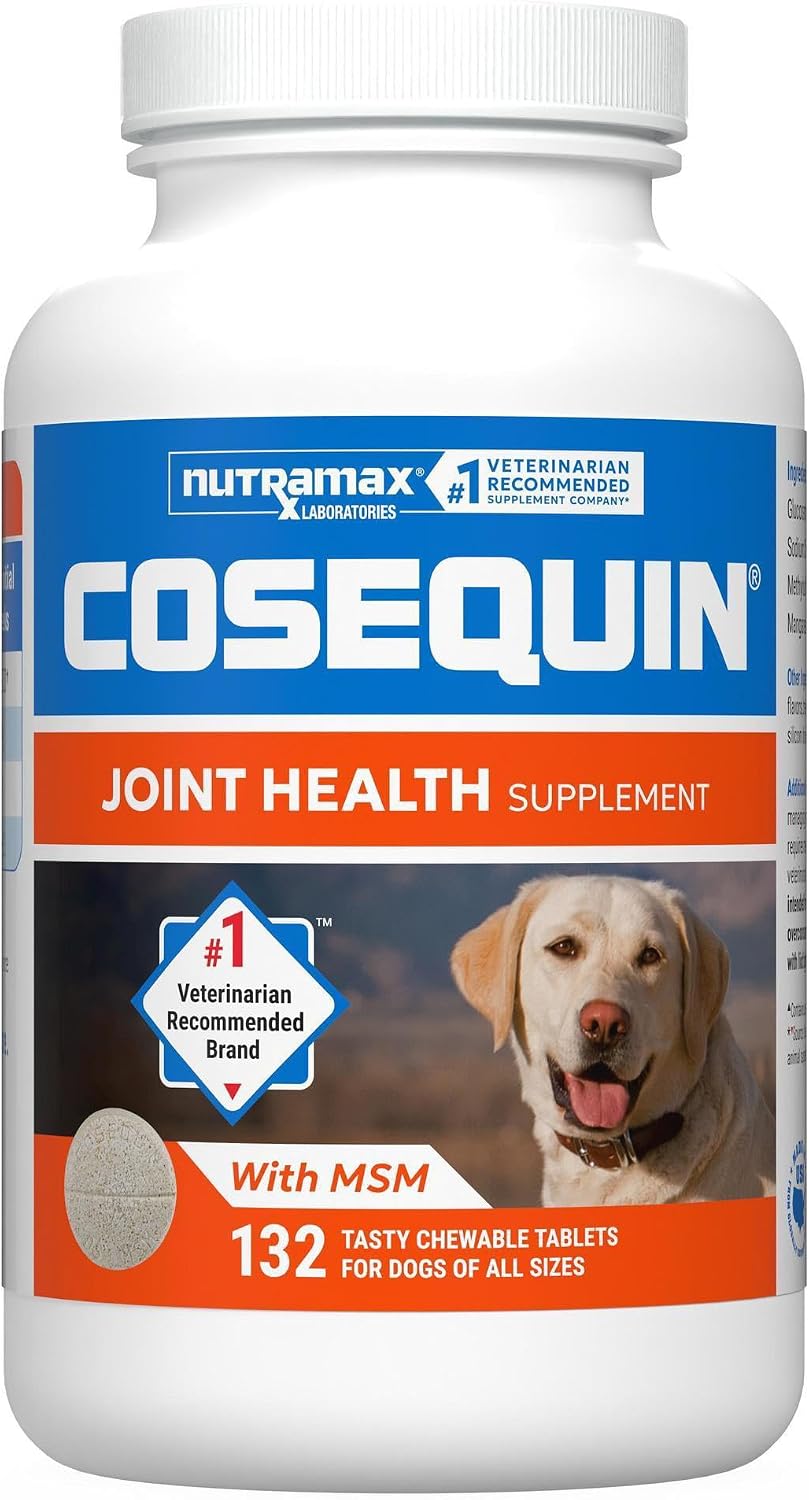
Some supplies are worth keeping on hand before you actually need them. From first-aid basics to products that support comfort, digestion, joints, and coat health, these options address several common areas of everyday care. For supplements or products intended to address a health concern, check with your veterinarian if you are unsure whether they are appropriate for your dog.
Outdoor
Walks and outings are often among the best parts of a dog’s day. A few practical accessories can make those trips easier, safer, and more comfortable for both dogs and their owners.
🐾 FAQ
1. How often should I take my dog to the vet?
Healthy adult dogs generally need a wellness visit once a year, while puppies, senior dogs, or dogs with health conditions may need more frequent checkups.
2. How often should I brush my dog’s teeth?
Daily brushing is ideal, but brushing several times a week can still help reduce plaque and support your dog’s oral health.
3. Do dogs need a microchip if they already have an ID tag?
Yes. An ID tag is easy to see, while a microchip provides permanent identification if your dog loses its collar or tag.
4. How can I help my dog stay calm during fireworks or thunderstorms?
Give your dog a quiet, comfortable place indoors. Soft music, a favorite toy, or an anxiety vest may also help some dogs relax.
5. How much exercise does my dog need each day?
There is no single answer. Exercise needs depend on your dog’s age, breed, health, energy level, and even the weather outside.
6. How can I help shelter dogs if I’m not ready to adopt?
You can donate supplies, volunteer at a local shelter, foster a dog, or support rescue groups. Even small contributions can make a difference.
National Dog Day comes only once a year, but caring for our dogs happens in hundreds of small ways throughout the year – from keeping them healthy and safe to making time for another walk, another game, or simply another quiet moment together. For animals that give us so much companionship, sometimes the simplest gift is giving them a little more of our time and attention.






 Friends Read Free
Copy
Facebook
Tweet
Friends Read Free
Copy
Facebook
Tweet