
Commentary
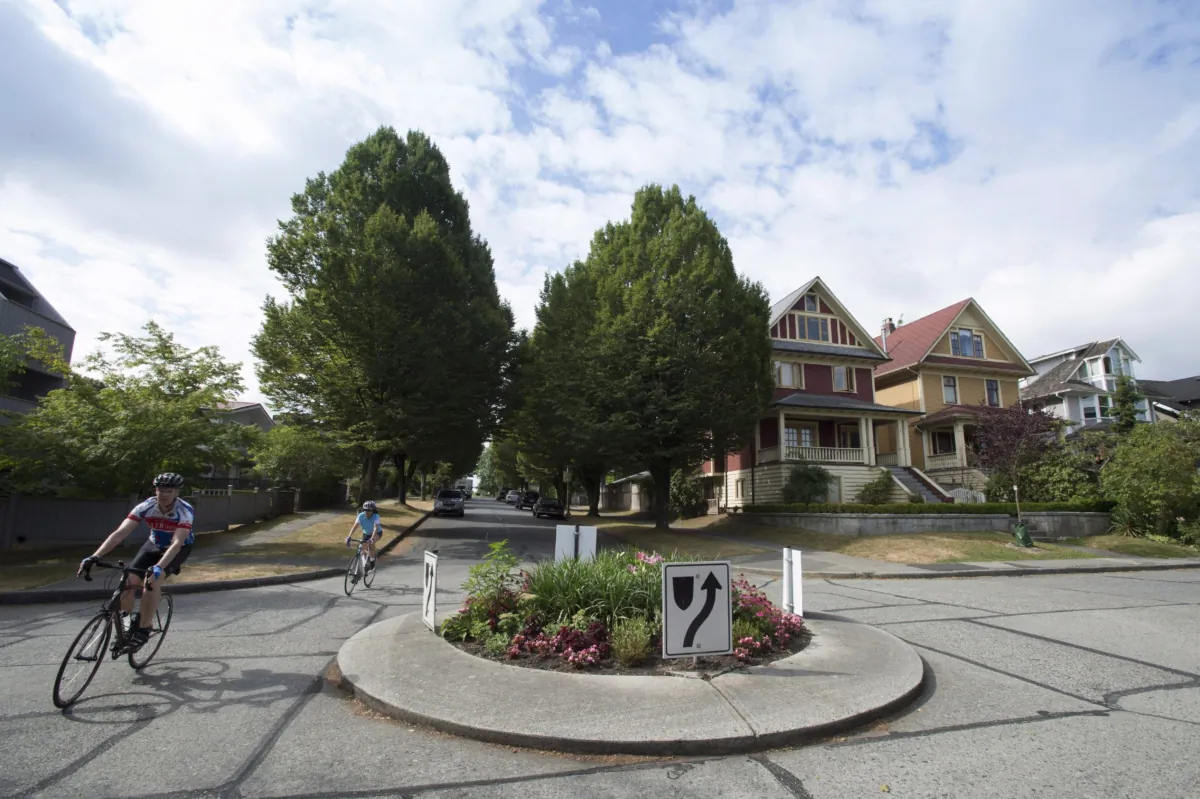
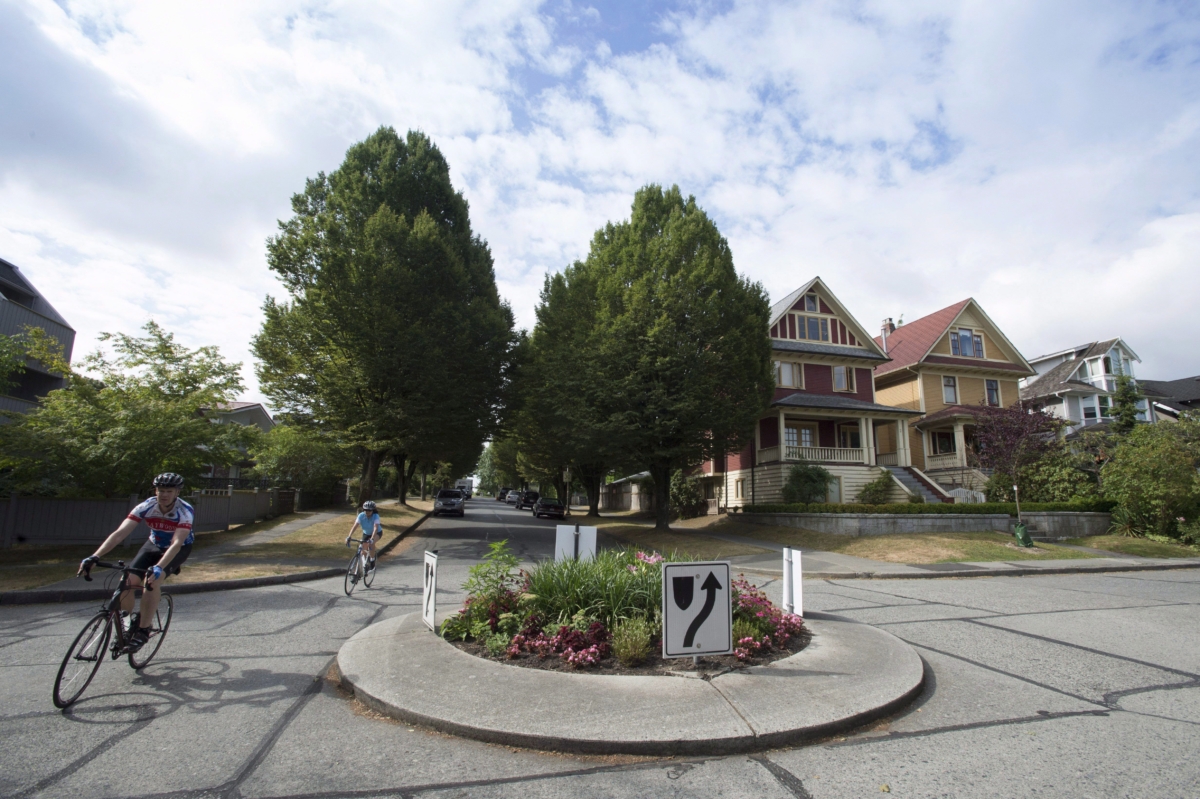
Densification of suburban neighbourhoods has been sold as a silver bullet to solve Canada’s housing crisis, but is instead running aground as pushback builds from affected residents.
Calgary is a case in point. In May 2024, following a marathon two-week public hearing, the city council voted 9-6 to pass a “blanket rezoning” policy allowing for duplexes, townhomes, and fourplexes in single-family neighbourhoods.
Roughly 300,000 properties were rezoned in one fell swoop.
Dissenting councillor Terry Wong explained that he voted against the policy based on feedback from over 700 speakers at the public hearing and 5,000 emails and letters, 70 percent of which Wong said were opposed to the rezoning.
Statistics Canada data shows Calgary’s population rose from 1,540,242 in 2021 to 1,836,012 in 2025—a spike of nearly 300,000 in four years.
This dramatic growth, fuelled by high interprovincial migration and Canada’s post-pandemic immigration boom, placed heavy pressure on housing and goes some way towards explaining the council’s move to push ahead with increased density.
Nevertheless, the idea of mass densification drew heavy opposition from many Calgarians, as seen by the public’s unusually high participation in the public hearing.
One group opposed to the blanket upzoning, Calgarians for Thoughtful Growth, cites problems such as “infrastructure strain” and “loss of community character.” The group launched a legal challenge to the rezoning, which is currently headed to the Alberta Court of Appeal.
Density became an election issue in Calgary’s fall 2025 election, with Jeromy Farkas narrowly becoming mayor after running on a platform that included a pledge to repeal blanket rezoning.
Now, the new city council is considering a bylaw to “bring back the low-density residential zones that existed in the land use bylaw prior to the citywide rezoning.”
A public hearing on the new policy is set for March 23. Thus, almost two years after the initial move to densify Calgary, the dramatic zoning changes are set to be undone.
Across Canada, densification efforts are running up against the same problem—Canadians are open to higher density as an abstract concept, but not necessarily in their neighbourhood.
An October 2023 poll by Pollara Strategic Insights found that 60 percent of Canadian respondents were in favour of increasing density, but only 20 percent said it would be a “good thing” if a single-family home on their street was turned into a triplex.
In June 2025, Toronto scrapped a plan to allow sixplexes throughout the city, limiting the added density to nine specific wards.
In January, the federal government responded by slashing $10 million from Toronto’s allocation from the Housing Accelerator Fund (HAF).
The HAF, launched by the Trudeau government in March 2023, gives funds to municipalities for housebuilding—but is contingent on the recipient communities rezoning for higher density.
In May 2024, Oakville saw its HAF grant axed after its council refused to allow more density. In January of this year, Tecumseh also saw its funding evaporate after it rejected densification.
In January, the city council in Red Deer, Alberta, passed a resolution refusing to return $3 million in HAF money after they were informed by the federal government that a failure to allow for fourplexes put them in breach of the HAF funding conditions.
The Canada Mortgage and Housing Corporation has notified Calgary city officials that their HAF funding could be jeopardized if the council repeals blanket rezoning this month.
Provincial efforts to densify are not encountering much more success than those by Ottawa or municipalities.
British Columbia is the only province to have attempted to impose density across the board, a move which is drawing intense fire from municipalities. Premier David Eby’s government passed Bill 44 in November 2023, requiring B.C. municipalities with more than 5,000 residents to allow multiplexes on single-family lots.
There has been considerable pushback from local governments.
In December 2025, 16 Metro Vancouver mayors sent a letter to Premier Eby demanding the housing legislation be repealed. Burnaby Mayor Mike Hurley said the provincial government is approaching housing through an “ideological” lens instead of “thought-through policies.”
Burnaby reacted to a major backlash from residents against the towering multiplexes allowed by B.C. housing legislation by cutting the maximum height and size of developments in October 2025.
Ontario Premier Doug Ford, a strong proponent of cutting regulations to unleash housing construction, has nevertheless said that densifying suburbs is “off the table.”
Ford rejected a proposal to bypass municipalities by greenlighting fourplexes across Ontario in March 2024: “You go in the middle of communities and start putting up four-story, six-storey, eight-storey buildings … there’s going to be a lot of shouting and screaming.”
The truth is that Canadians remain attached to the North American ideal of saving up to own a single-family house or a townhouse in a quiet neighbourhood.
A 2025 survey by real estate agency Wahi revealed that 61 percent of Canadians would prefer a single-family home, and 81 percent say a backyard is important.
All of the controversy over densification shows that people who manage to attain this dream of home ownership are understandably resentful when any level of government allows a triplex or a fourplex to be built next door.
Efforts to urbanize suburbs are distracting from the many other potential fixes for Canada’s housing crisis that are more productive and less divisive.
Housing policy should focus additional density in urban areas, and leave low-density suburbs alone.
Views expressed in this article are the opinions of the author and do not necessarily reflect the views of The Epoch Times.
 Friends Read Free
Copy
Facebook
Tweet
Friends Read Free
Copy
Facebook
Tweet